What is 3D Decorative Wall Panels and Why Choose Them?
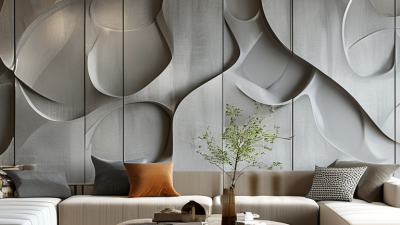
3D Decorative Wall Panels are transforming interior spaces, infusing them with character and style. These panels come in various materials, colors, and textures, making them versatile. They can serve as a focal point or enhance existing designs.
Choosing 3D Decorative Wall Panels can elevate an ordinary room into something extraordinary. They add depth and dimension, creating visual interest. These panels are not only beautiful but also functional, improving acoustics and insulation.
However, it’s important to consider installation and maintenance. Not all panels are easy to install, and some might require professional help. Reflecting on these factors can lead to a better decision for your space. Ultimately, 3D Decorative Wall Panels offer endless design possibilities, inviting creativity and personal expression.
What are 3D Decorative Wall Panels?
3D decorative wall panels have gained popularity in interior design. These panels add depth and texture to walls, transforming mundane spaces into stunning showcases. Frequently made from materials like wood, plastic, or gypsum, they come in various styles. According to a recent market report, the demand for decorative wall panels is expected to grow by 15% annually.
These panels serve both aesthetic and functional purposes. They can improve room acoustics and provide insulation. Designers appreciate their ease of installation, allowing quick renovations without major construction. However, some challenges remain. The longevity of certain materials may vary, leading to concerns about durability. Additionally, while they enhance a room's appeal, they can be difficult to clean.
When choosing 3D wall panels, consider your space's needs. Evaluate how much wear the surface will face. Some panels might warp under humidity or require specific cleaning methods. Despite these potential drawbacks, the visual impact of 3D panels can be striking. With thoughtful selection, they can elevate the atmosphere of any room.
The Materials Used in 3D Decorative Wall Panels
3D decorative wall panels come in various materials, each offering unique textures and finishes. Some common choices include high-density foam, wood, and PVC. Foam panels are lightweight and easy to install. They can mimic natural materials, creating a stylish look without heavy weight. This is ideal for DIY enthusiasts and those looking for quick transformations.
Wood panels add warmth and sophistication. They resonate with nature and bring a cozy feel to any space. However, sourcing sustainable wood is vital. Users should consider the environmental impact. PVC panels are versatile and resistant to moisture. They are easy to clean and maintain, making them popular for kitchens and bathrooms.
While these materials offer exciting options, it's important to think about durability and maintenance. Not all materials are equal when it comes to longevity. Some may require more care than others. Knowing the nuances of each option can lead to better choices for your project. This element of reflecting on your material choice adds depth to the design process.
Benefits of Using 3D Decorative Wall Panels in Home Decor
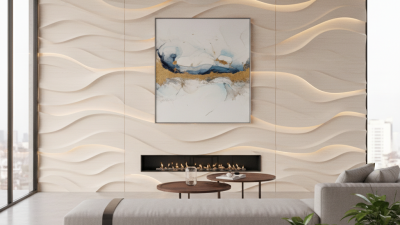
3D decorative wall panels have gained popularity in home decor. Their unique designs add depth and texture to any room. Homeowners appreciate their ability to transform bland walls into eye-catching features. These panels can mimic natural materials like wood or stone, providing a warm and inviting atmosphere.
Using 3D decorative wall panels offers several benefits. They enhance aesthetic appeal, making spaces feel more luxurious. Moreover, these panels are often lightweight and easy to install. Many people opt for them because they are a cost-effective way to elevate interior design. The variety of styles ensures there is something for every taste.
Tip: When choosing panels, consider the room's size and lighting. Lighter panels can make a small space feel larger. Darker tones add a cozy touch to expansive areas. Remember, balance is key. Too many textured surfaces can feel chaotic.
Another advantage of these panels is their durability. They are typically made from high-quality materials that resist wear and tear. However, regular maintenance is crucial to keep them looking fresh. Dust can accumulate in the crevices, requiring occasional cleaning to maintain their beauty.
Different Styles and Designs of 3D Decorative Wall Panels
3D decorative wall panels are a popular choice for modern interiors. They add depth and intrigue to spaces. Available in various materials like PVC, wood, and gypsum, these panels can fit different aesthetics. From contemporary minimalist designs to intricate patterns, the options are vast. According to industry reports, the global market for decorative wall panels is expected to grow significantly, reaching USD 6.7 billion by 2027. Such growth highlights their rising popularity.
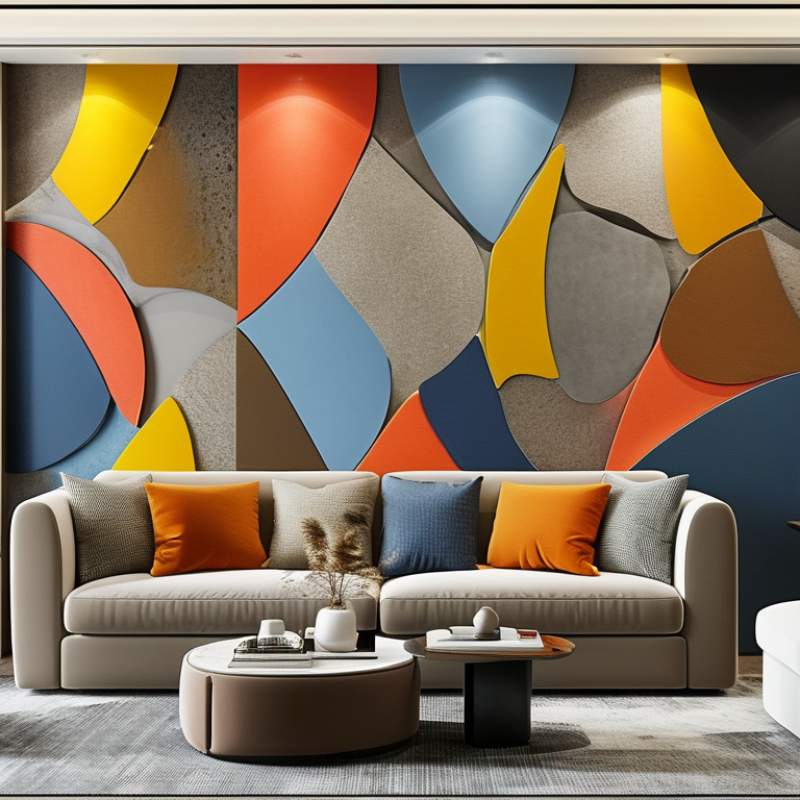
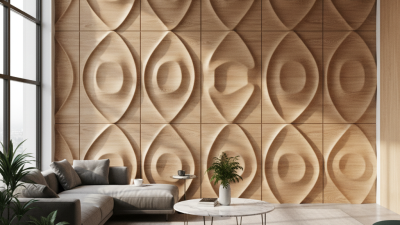
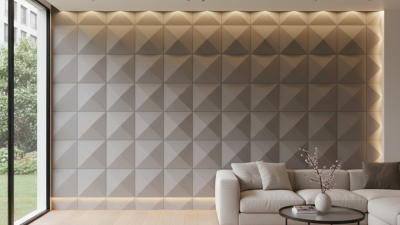
Different styles of 3D wall panels cater to diverse tastes. Geometric patterns offer a sleek, modern look. Nature-inspired designs bring a calming atmosphere. Vintage styles can enhance nostalgic environments. Many homeowners are mixing styles for a unique flair. When choosing a design, consider the room's overall theme. The right panel can harmonize with furniture and decor.
Tip: Before selecting a panel, visualize it in your space. Use digital tools or mockups to see how various designs work with lighting. Remember that texture can affect the mood of your room. Uneven textures might create visual clutter if not balanced well. Finding the right design may take time and effort, but it can transform your space from ordinary to extraordinary.
3D Decorative Wall Panels - Styles and Designs Popularity
How to Install and Maintain 3D Decorative Wall Panels
Installing 3D decorative wall panels can transform any space. They add depth and texture. Proper installation is vital for achieving an optimal look. Start by prepping your wall. Ensure it is clean, dry, and free from any previous wallpaper or debris. A level surface is necessary for alignment. According to a report by Statista, the global decorative wall panels market is expected to reach $82 billion by 2027. This growth indicates rising popularity and reliability in design choices.
Apply adhesive paste or use screws, depending on the panel material. For instance, lightweight panels can often use glue. Heavier panels might require screws for better support. Always follow the manufacturer's guidelines. Mistakes can happen, like misalignment or inadequate adhesion. These may lead to panels peeling off over time. Keeping extra panels for future repairs is a practical idea.
Maintaining these panels is essential for longevity. Regular dusting keeps them looking fresh. Use a damp cloth for deeper cleaning, avoiding harsh chemicals. According to industry experts, homeowners report a 40% increase in home satisfaction after installing decorative wall panels. Yet, they must be mindful of moisture levels, particularly in humid areas. Taking preventive measures can avoid common pitfalls like mold growth or warping.
What is 3D Decorative Wall Panels and Why Choose Them? - How to Install and Maintain 3D Decorative Wall Panels
| Dimension |
Description |
Advantages |
Installation Tips |
Maintenance |
| Material |
Typically made from PVC, Wood, or Plaster. |
Enhances aesthetics, eco-friendly options available. |
Ensure surface is clean and dry before installation. |
Regular dusting; use mild cleaners. |
| Design |
Available in various textures and patterns. |
Customizable to suit decor styles. |
Use adhesive or nails as specified by the product. |
Check for loose panels periodically. |
| Installation Time |
Typically takes 1-2 days for a standard room. |
Quick transformation of spaces. |
Plan layout before starting; measure twice. |
Avoid abrasive materials; gentle cleaning is best. |
| Cost |
Prices vary widely based on materials and complexity. |
Cost-effective for high-impact aesthetics. |
Budget for both materials and installation. |
Follow specific manufacturer guidelines for care. |