What is 3D PVC Wall Panel Its Benefits and Applications?
In recent years, the popularity of 3D PVC Wall Panels has soared in interior design. These panels offer a modern and stylish alternative to traditional wall finishes. Emily Johnson, a leading expert in architectural design, states, "3D PVC Wall Panels transform spaces, adding depth and creativity while ensuring durability." This innovative material is lightweight yet sturdy, making installation a breeze.
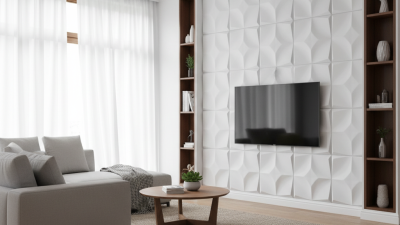
The applications of 3D PVC Wall Panels are vast. They enhance residential and commercial spaces, providing aesthetic appeal and practicality. From hotels to homes, these panels create stunning focal points. They are also moisture-resistant, making them ideal for areas prone to humidity.
However, there are still challenges in the market. Not all panels are created equal, leading to concerns about quality and longevity. It's crucial for consumers to research and choose the right products. The 3D PVC Wall Panel industry is evolving, making it essential to stay informed for the best results.
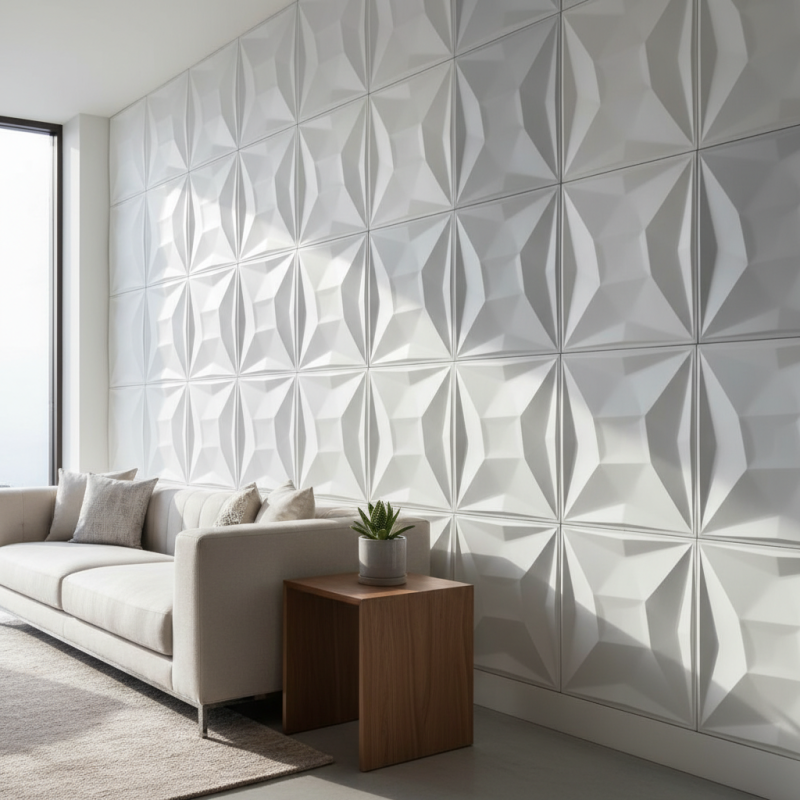
What is a 3D PVC Wall Panel?
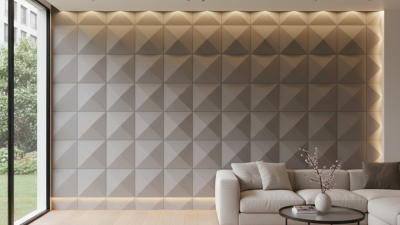
3D PVC wall panels are an innovative solution for interior decoration. These panels are made from durable polyvinyl chloride, offering a lightweight and versatile option for various applications. The 3D textures create depth and visual interest, making them popular in modern designs. Homeowners and designers appreciate these panels for their aesthetic appeal and ease of installation.
Tips: When choosing a 3D PVC wall panel, consider your room’s size. Larger panels can overwhelm small spaces. Also, think about the light. Textures can change appearance based on lighting conditions.
Many people wonder if these panels can easily be cleaned. Fortunately, their smooth surface makes maintenance straightforward. A damp cloth usually does the trick. However, installing them in high-humidity areas may require additional sealing. Keep in mind; improper installation can lead to peeling over time.
Tips: Always measure walls before purchasing panels. Double-check your measurements to prevent mistakes. Even slight errors can lead to uneven seams and an unsatisfactory finish. Take your time. The end result will be worth the effort.
The Composition and Structure of 3D PVC Wall Panels
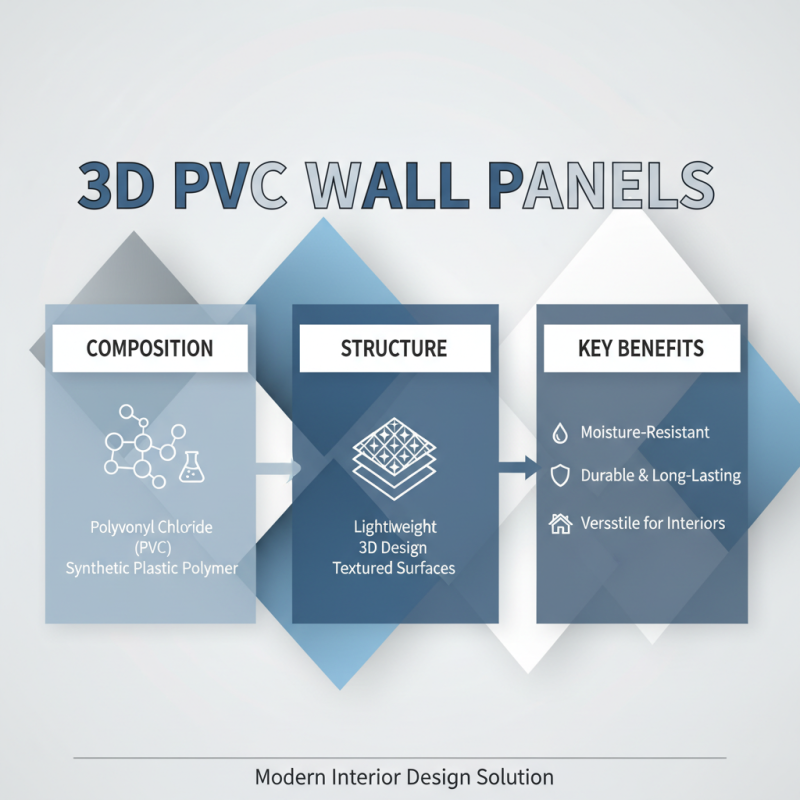
3D PVC wall panels are increasingly popular in modern interior design. Their composition primarily includes polyvinyl chloride (PVC), a synthetic plastic polymer. This material is praised for its durability and versatility. PVC is lightweight and resistant to moisture, making it an ideal choice for various environments.
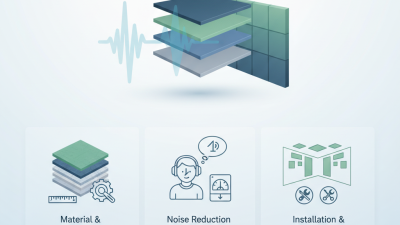
The structure of these panels features a three-dimensional design. This design not only adds visual interest but also helps in sound insulation. According to a report by the International Journal of Engineering Research, PVC products have a lower density compared to wood and metal alternatives. This property enhances ease of installation and reduces transportation costs. Furthermore, the panels can be molded into various shapes, allowing for unique aesthetic expressions.
However, there are considerations regarding environmental impact. The production and disposal of PVC can pose ecological challenges. Research indicates that the recycling rate for PVC remains low, with only 10% recycled globally. Thus, while 3D PVC wall panels have advantages, their long-term sustainability is still a topic worth discussing among designers and consumers alike.
Key Benefits of Using 3D PVC Wall Panels
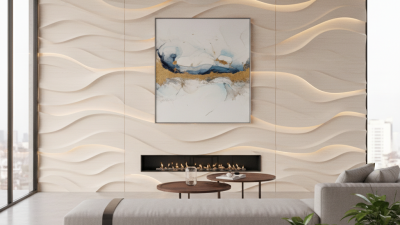
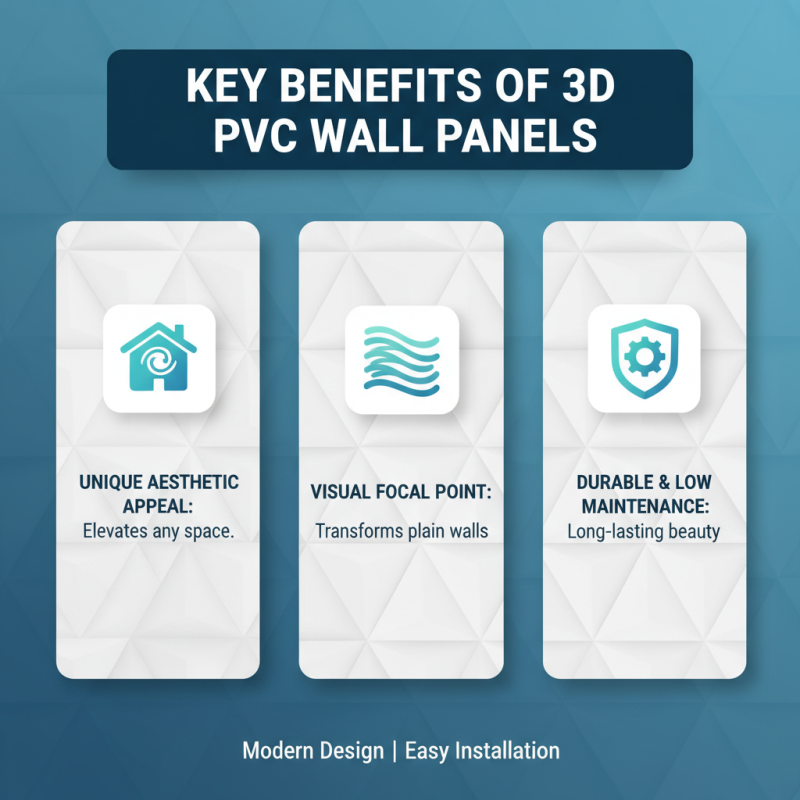
3D PVC wall panels are gaining popularity in modern interior design. They offer a unique aesthetic appeal that can elevate any space. The three-dimensional textures create an eye-catching visual experience. This can transform plain walls into stunning focal points.
One of the key benefits is their ease of installation. Unlike traditional wall materials, these panels can be applied directly over existing surfaces. This saves time and labor costs. Additionally, they are lightweight, making handling and mounting more accessible. Low maintenance is also a significant advantage. A simple wipe with a damp cloth keeps them looking fresh.
These panels are moisture-resistant, making them ideal for kitchens and bathrooms. They can withstand humidity without warping or peeling. However, some users may find that specific designs may lack versatility. Not every panel fits every style. It's also worth considering the environmental impact of PVC materials. While they are durable, sustainability might be a concern for some. Ultimately, 3D PVC wall panels serve as an innovative solution for those seeking both beauty and functionality in their spaces.
Common Applications of 3D PVC Wall Panels
3D PVC wall panels have gained popularity in various sectors due to their aesthetic appeal and durability. These panels are widely used in commercial spaces, residential homes, and hospitality environments. A study by MarketsandMarkets suggests that the global market for decorative wall panels is projected to reach $10.5 billion by 2026, growing at a CAGR of 7.5%.
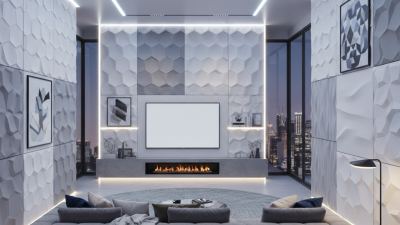
In residential settings, 3D PVC wall panels can transform a dull room into an eye-catching space. They serve as focal points in living rooms or bedrooms. The easy installation process is a significant advantage. Many homeowners appreciate the lightweight nature of PVC panels, making them ideal for DIY projects. Additionally, the panels are moisture-resistant, which is particularly beneficial in areas prone to humidity.
In commercial applications, these panels are often used in restaurants and retail spaces. They can create unique atmospheres that enhance customer experiences. However, some users report issues with discoloration over time when exposed to direct sunlight. This can be a concern for businesses, as maintaining a professional appearance is crucial. Despite some drawbacks, 3D PVC wall panels continue to be praised for their versatility and cost-effectiveness.
Benefits and Applications of 3D PVC Wall Panels
This chart illustrates the common applications of 3D PVC wall panels across different sectors. The data represents the estimated percentage of usage within each application area, highlighting their versatility and popularity in residential, commercial, industrial, hospitality, and retail environments.
Installation Process for 3D PVC Wall Panels
Installing 3D PVC wall panels can transform a space with minimal effort. Start by gathering your materials. You will need the panels, adhesive, a utility knife, and a level. Measure the wall area carefully. Ensure that the surface is clean and dry before application.
When applying adhesive, follow the manufacturer’s instructions. A common mistake is applying too much adhesive. This can cause panels to slide or create uneven surfaces. For best results, work in small sections.
Tips: Always double-check your measurements. A wrong cut can waste material and time. Allow adequate drying time for the adhesive. Rushing this step can lead to issues later on.
As you install, maintain a level grid. This helps to create a professional look. Inspect your panels regularly as you go. Small gaps can often be filled with caulk, but they should not be a common sight. It is essential to take your time and reflect on each step.