2026 Best 3D PVC Wall Panels for Stunning Interior Design Ideas?
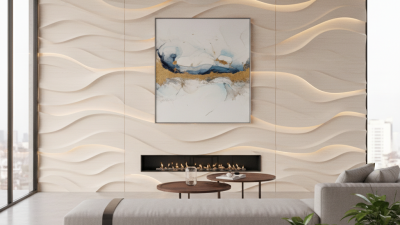
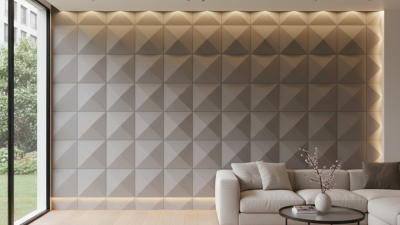
In the world of interior design, finding the perfect elements to create a stunning space is essential. The 3D PVC wall panel has emerged as an innovative solution that enhances any room's aesthetic. With its unique textures and designs, these panels can bring life to dull walls. They not only add depth but also allow for creative customization.
Choosing the right 3D PVC wall panel can seem overwhelming. There are countless options available, each with its own charm and purpose. Some panels mimic natural materials, while others offer bold colors and patterns. It is crucial to consider the overall theme of your space. Balancing creativity with functionality is key to achieving the desired look.
While the benefits of 3D PVC wall panels are evident, the choices may lead to confusion. Consumers might find it challenging to select the best option for their needs. Reflecting on personal preferences and room dimensions can help in making the right decision. It’s important to explore various styles and keep an open mind throughout the process.
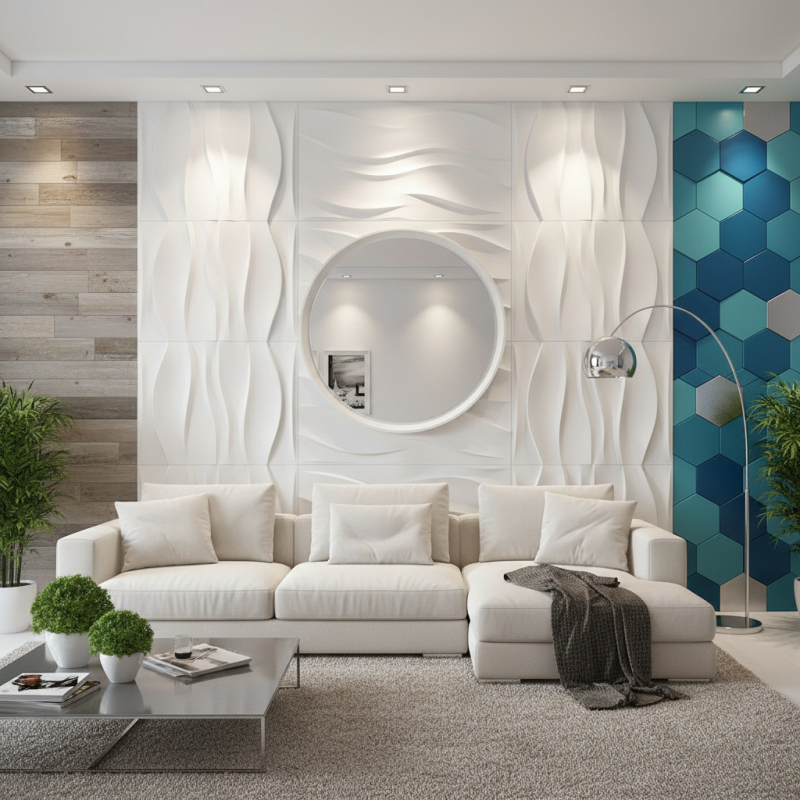
What Are 3D PVC Wall Panels and Their Benefits for Interior Design?
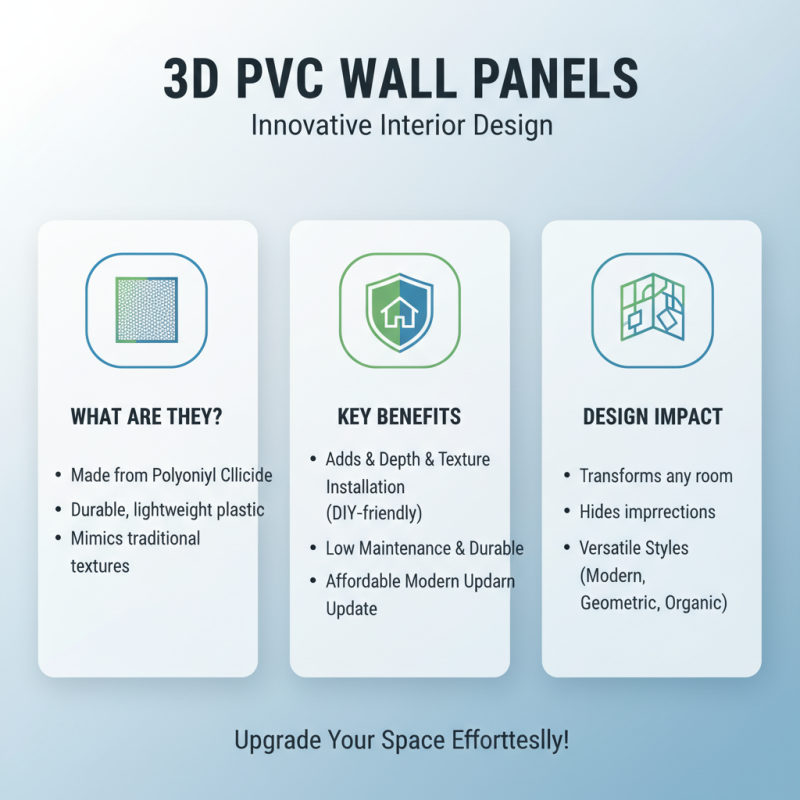
3D PVC wall panels are an innovative material designed for modern interior design. These panels are made from polyvinyl chloride, a durable plastic that mimics the appearance of traditional materials. They can create depth and texture in any room, adding visual interest without requiring extensive renovations. The lightweight nature of these panels allows for easy installation, making them an attractive option for DIY enthusiasts and professionals alike.
Beyond aesthetics, 3D PVC wall panels offer practical benefits. They are moisture-resistant, making them ideal for bathrooms and kitchens. Their insulating properties help regulate temperature and reduce noise. Cleaning is straightforward, requiring just a damp cloth. However, while they are a strong choice, some may feel that their synthetic appearance lacks warmth. This can lead to reflections on how to balance modern design with a cozy atmosphere. Exploring various patterns can also pose a challenge, as too many designs can overwhelm a space rather than enhance it.
Top Features to Consider When Choosing 3D PVC Wall Panels for Your Space
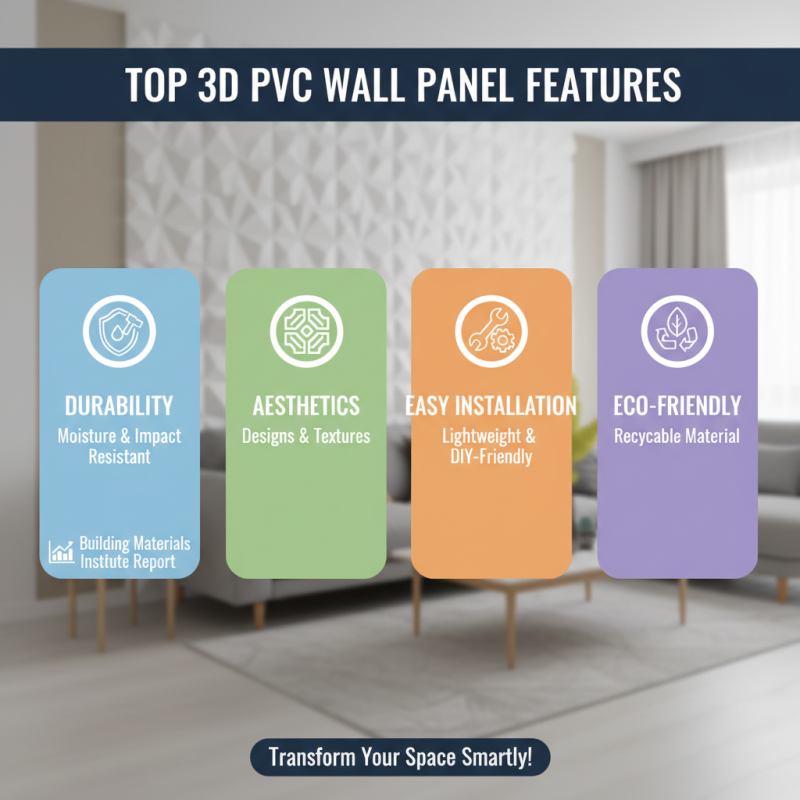
When selecting 3D PVC wall panels for interior design, several key features are essential. One significant aspect is durability. According to a report by the Building Materials Institute, high-quality PVC panels can withstand moisture and impact, making them ideal for various environments. Homeowners often overlook this crucial detail, focusing instead on aesthetics. However, a panel that does not hold up can diminish the overall design impact.
Texture is another vital consideration. 3D PVC panels are available in diverse designs, from geometric shapes to organic patterns. Research indicates that textured surfaces enhance visual interest and can even affect acoustics. Many designers recommend choosing panels that complement existing decor while offering a tactile experience. Nevertheless, prioritizing looks over functionality can lead to regrettable choices down the line.
Installation is also a significant factor. DIY enthusiasts may be tempted to opt for complex designs. However, the installation process can be cumbersome. A study from the Interior Design Association highlighted that ease of installation can influence long-term satisfaction with the panels. Sometimes, simpler designs provide better results when considering cost and time. Ultimately, weighing these features carefully is essential for a successful design project.
Creative Ways to Incorporate 3D PVC Wall Panels Into Your Home Decor
Incorporating 3D PVC wall panels can transform a space, offering both aesthetic appeal and functional benefits. Research indicates that textured walls enhance a room's atmosphere by adding depth and interest. For example, a recent industry report highlighted that homes with unique wall designs sell faster. Therefore, opting for these panels can boost property value.
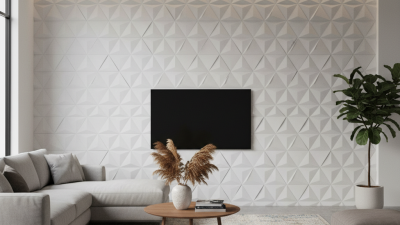
When using 3D PVC panels, consider placement carefully. Large, bold patterns work well on feature walls. Subtle designs may suit smaller areas. A well-placed panel can act as a striking focal point. Quickly assessing the lighting in your space can help determine which finishes complement your decor style. High-gloss finishes reflect light beautifully but may not fit all aesthetics.
Tips: Always test samples first. This can prevent potentially regrettable choices. Mixing textures can also create layers, making a room more inviting. However, balance is key; too much variety can be overwhelming. Focus on harmony to achieve a cohesive look while keeping personal style at the forefront.
Best Brands and Products of 3D PVC Wall Panels for Stunning Interiors
When designing interiors, 3D PVC wall panels offer a unique and modern touch. These panels come in various textures and patterns. From geometric shapes to organic forms, options are abundant. Every choice can transform a plain wall into a focal point. Some panels mimic stone or wood, enhancing the natural look of a room. The versatility of these designs caters to diverse tastes.
Quality matters when selecting PVC wall panels. Not all panels provide the same durability or visual appeal. Some may fade over time or not adhere well. It's essential to check reviews and seek expert opinions. This can prevent costly mistakes. Ensure your choice complements your overall theme. A mismatch can disrupt the harmony of your space.
Installation can be a DIY project, but it requires precision. Measuring and cutting accurately will lead to a professional finish. Mistakes during this process can result in visible gaps or misalignments. If you're unsure, consulting a professional might be wise. Embracing the potential of 3D PVC wall panels can create stunning interiors, but careful planning is vital.
Installation Tips and Maintenance for Long-lasting 3D PVC Wall Panels
Installing 3D PVC wall panels can transform your space dramatically. Before starting, prepare the wall surface by cleaning it thoroughly. A smooth, dry surface ensures better adhesion. Measure the panels carefully to reduce waste. Cut them precisely using a sharp utility knife for a clean edge. Use a level during installation to keep everything straight. These small details make a large difference in the final appearance.
Maintenance is equally important for longevity. Regularly dust the panels with a soft cloth. Avoid abrasive cleaners; they can scratch the surface. Instead, use mild soap for deeper cleaning. Quick fixes like filling small gaps with caulk help maintain aesthetics. Over time, panels may lose their sheen. A light polishing can restore their original look. Remember, neglecting maintenance can lead to quicker wear and tear.
While installation seems straightforward, challenges can arise. Misalignments may occur, and overlays could be problematic. Keep a keen eye on your work as you progress. Accept that perfection may not happen right away. Reflect on these issues, and adjust your methods for future projects. Learning from each experience ensures better results down the line.
2026 Best 3D PVC Wall Panels - Popularity and Features