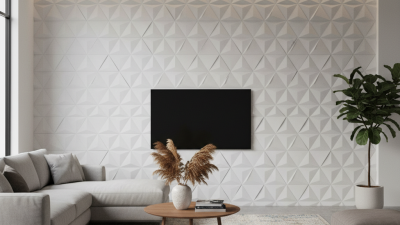
Best Ceiling Wall Panels for Soundproofing Effectiveness?
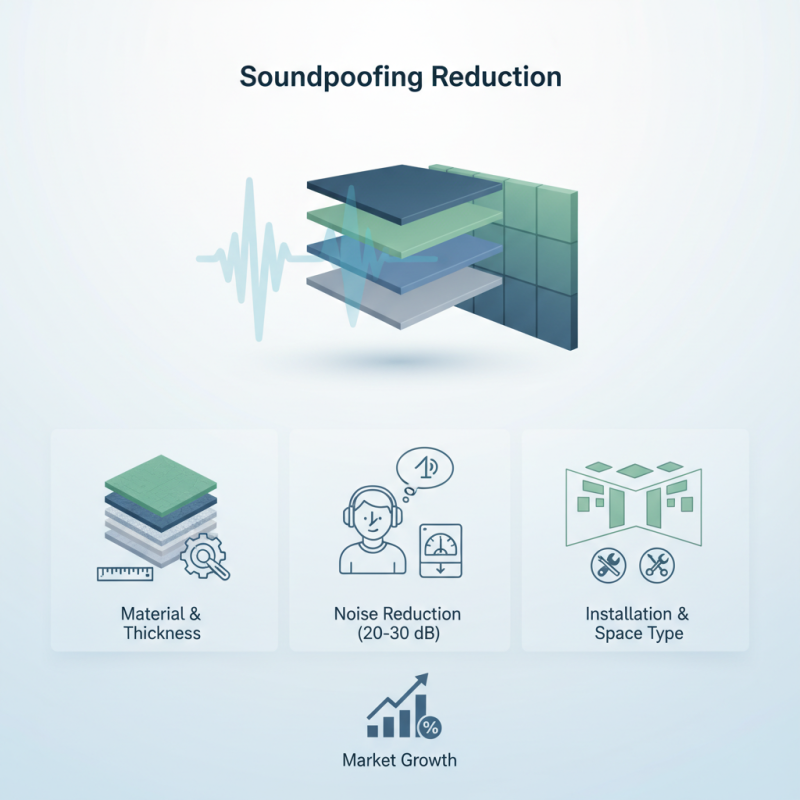
In today’s world, noise pollution is a growing concern. Many individuals seek effective solutions to reduce sound transmission. Ceiling wall panels have emerged as a popular choice for soundproofing. According to a recent industry report, the soundproofing market is expected to grow by 8% annually. This trend indicates a rising demand for effective acoustic solutions.
Ceiling wall panels serve as multifunctional elements. They not only enhance aesthetics but also play a crucial role in sound insulation. Studies show that properly installed panels can reduce noise levels by 20 to 30 decibels. This level of soundproofing can significantly improve both comfort and productivity in various environments. However, not all panels offer the same performance. Factors such as material, thickness, and installation matter greatly.
Consumers often overlook the importance of these details. Choosing the right ceiling wall panels can lead to better sound absorption. Yet, many still struggle to identify the most effective options. Evaluating various products is essential. There remains uncertainty about the best choices available. Each space has unique acoustic challenges that require thoughtful consideration.
Best Materials for Ceiling Wall Panels in Soundproofing Applications
When it comes to soundproofing, the choice of materials for ceiling wall panels plays a crucial role.
Acoustic panels made from foam can effectively dampen sound. They absorb sound waves and reduce echo.
This is ideal for recording studios or home theaters. Additionally, mineral fiber panels
offer excellent sound absorption while being lightweight and fairly easy to install.
Another popular choice is plywood. It is dense and helps to block sound transmission effectively.
However, it may require extra finishing for aesthetics. Fabric-wrapped panels
can also be visually appealing and functional. They combine aesthetics with sound-absorbing qualities, making rooms more inviting.
Tips: Consider using multiple materials. Combining different types can enhance overall effectiveness.
Make sure to cover all corners for best results. Always assess the room's acoustics before selecting materials. Each space is unique,
so what works in one may not work in another. Experimentation might be necessary to achieve optimal soundproofing.
Impact of Acoustic Performance Ratings on Panel Effectiveness
Acoustic performance ratings play a crucial role in the effectiveness of ceiling wall panels for soundproofing. These ratings indicate how well a panel can absorb or block sound. Higher ratings usually mean better performance, but not all settings require maximum soundproofing. For instance, a family room may not need the same level of sound isolation as a recording studio.
It's important to consider the specific needs of your space. Are you dealing with loud neighbors or unwanted echoes? Or perhaps, you simply want a quieter atmosphere?
Panels with good ratings will help, but aesthetics and cost matter too. Many consumers choose panels based solely on appearance, neglecting their soundproofing capabilities. This often leads to disappointment when the noise persists.
Furthermore, not all panels are created equal. Some may excel at blocking low frequencies, while others focus on mid to high frequencies. Understanding your environment will guide you in making a better choice.
Reflect on your goals and conditions. You may find that the panel you initially preferred falls short of your expectations after installation.
Balancing performance, price, and design can lead to a more satisfactory outcome.
Comparative Analysis of Sound Absorption Coefficients for Different Panels
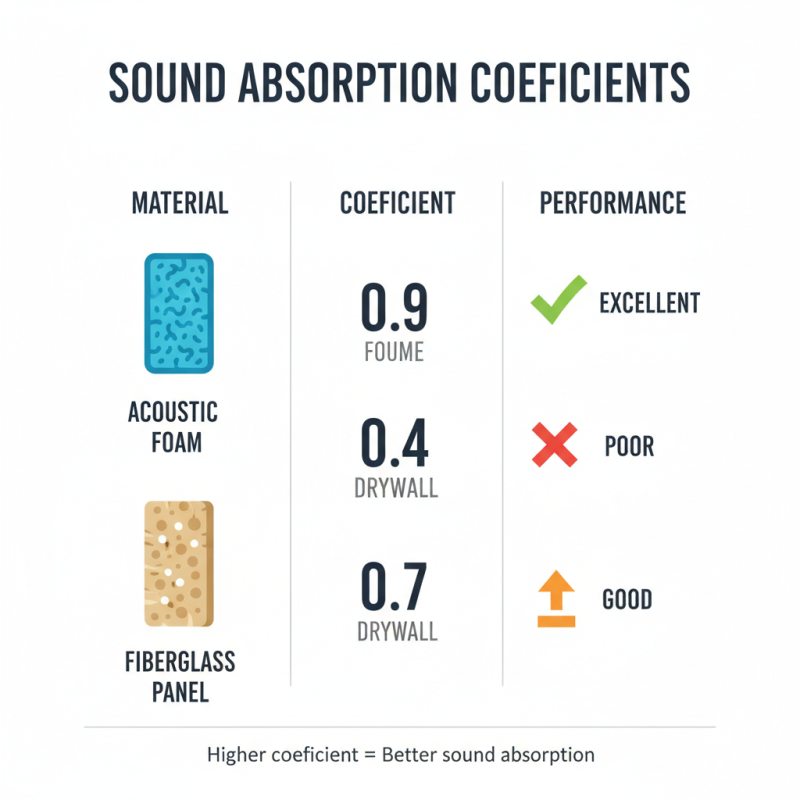
When considering the best ceiling wall panels for soundproofing, it's crucial to look at sound absorption coefficients. These coefficients measure how effectively a panel can absorb sound. Various materials offer different levels of sound absorption. For instance, acoustic foam tends to have a high coefficient around 0.9, indicating excellent absorption. On the other hand, drywall has a lower rating, often below 0.4.
Different panel designs can impact their sound absorption as well. Panels with irregular surfaces scatter sound waves more effectively. This can enhance sound quality in a room. However, the choice of thickness also matters. Thicker panels generally provide better soundproofing, but they may not always fit aesthetic designs.
**Tips:** When selecting panels, consider both aesthetics and function. Mixing materials with different absorption rates can yield better results. Always assess the specific needs of your space, as not all environments require the same level of soundproofing. Keep in mind, too much absorption might make a room feel "dead." Balance is essential for a pleasant auditory experience.
Installation Techniques That Enhance Soundproofing Efficiency
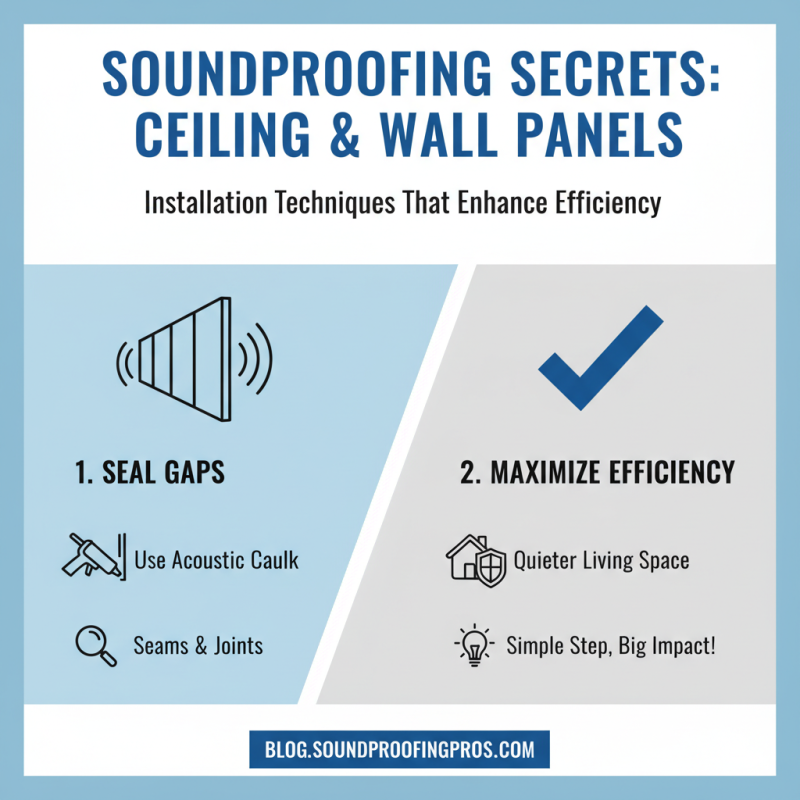
Achieving effective soundproofing with ceiling wall panels can significantly improve your living space. Proper installation techniques play a crucial role in maximizing their efficiency. One common method is to use acoustic caulk in the seams and joints. This helps seal gaps that may allow sound to penetrate. It’s often overlooked, yet this simple step can make a noticeable difference.
Another technique involves adding mass to the wall panels. Thicker panels or additional layers can block more sound. If possible, consider using materials with different densities. These variations can disrupt sound waves, leading to better soundproofing. It's essential to ensure that the panels are well-fitted. Gaps can diminish the effectiveness of the installation.
Tips: Always check for leaks before finalizing your installation. Sound can travel through tiny cracks, rendering your efforts ineffective. Additionally, experimenting with panel placement can yield different results. Sometimes, what seems like a minor adjustment can enhance overall performance. Reflect on your choices, and don’t hesitate to make changes if needed. Soundproofing is often a process of trial and error.
Cost-Effectiveness of Various Soundproofing Ceiling Wall Panels
When considering soundproofing ceiling wall panels, cost-effectiveness is crucial. Many options exist, but their prices can vary widely. Some affordable materials may not offer the best soundproofing results. Investing in higher-quality panels often leads to better long-term returns on sound isolation. However, it’s essential to assess your specific needs and budget before making a decision.
One approach is to prioritize materials that offer good sound absorption without breaking the bank. Acoustic foam panels are often a popular choice. They are lightweight and easy to install. However, be cautious. Some cheaper options might not perform as advertised. Always check the sound reduction ratings. This helps ensure you’re investing wisely.
Tips for effective soundproofing: Measure your space before purchasing panels. Understand the sound issues you're facing. This will help in choosing the right material. Additionally, consider DIY installation to save costs. But beware of mistakes. Poorly installed panels can decrease their effectiveness. Taking time to plan can make all the difference in achieving a quieter space.