2026 Best Ceiling Wall Panels for Home Decor and Design Ideas?
In the world of interior design, ceiling wall panels stand out as a versatile choice for enhancing home decor. These panels come in various styles, textures, and colors, offering countless possibilities. Imagine bright white panels reflecting light, making a room feel more spacious.
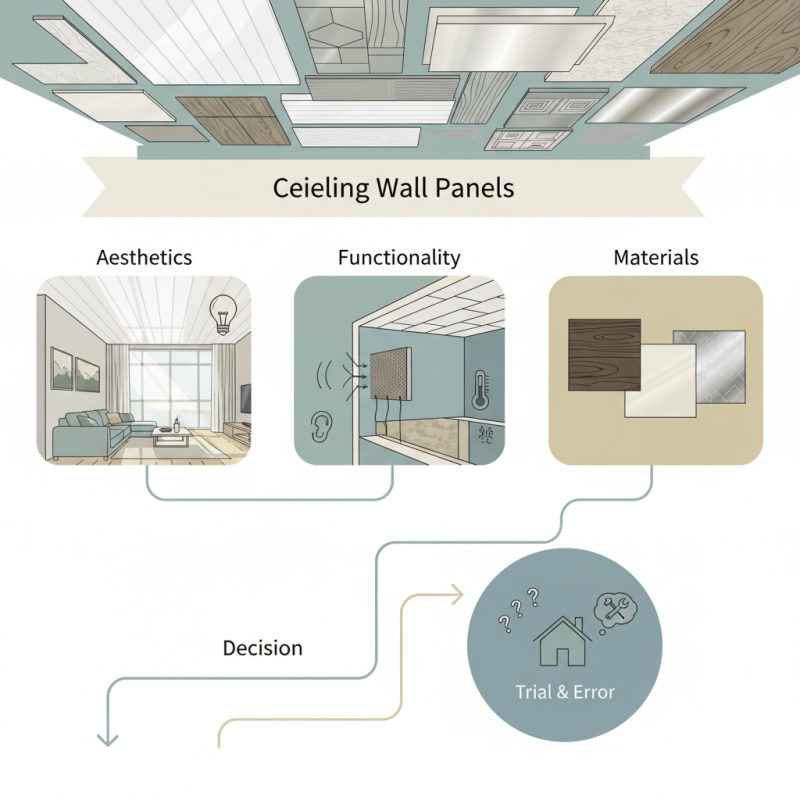
However, finding the perfect ceiling wall panels can be daunting. Many homeowners struggle to match panels with existing decor. It's important to consider both aesthetics and functionality. Some panels can absorb sound, while others enhance insulation. Homeowners often overlook these practical aspects.
The choice of material also plays a critical role. Wood, vinyl, and metal panels each bring unique qualities. Unfortunately, some options may not hold up well over time. Reflecting on this can lead to better selections for your space. Ceiling wall panels can transform any room into something special, but the journey to choose the right ones requires careful thought and some trial and error.
Innovative Materials for Ceiling and Wall Panels in 2026
As we look forward to 2026, innovative materials for ceiling and wall panels are set to transform home decor. Eco-friendly options are gaining popularity. Look for panels made from recycled materials. They are attractive and sustainable.
Metal panels, with their sleek finish, bring a modern edge to any room. Wood panels offer warmth. Consider mixing textures to create a unique aesthetic.
Tips for choosing the right material include considering room function. For high-humidity areas, opt for moisture-resistant panels. This choice can prevent damage and maintain appearance. Remember, each material has its own maintenance needs. Some may require regular cleaning or sealing. Weigh these factors before making a decision.
Lighting plays a crucial role in showcasing these panels. Accent lights can enhance the textures. Shadows and highlights add depth. Experimenting with colors can also impact the mood of a space. However, beware of overwhelming the room with too many textures or patterns. This can disrupt visual harmony. Balancing creativity with simplicity is key to achieving a cohesive look in your home.
Top Design Trends in Home Ceiling and Wall Panel Aesthetics
In 2026, ceiling and wall panel designs are seeing exciting shifts. The emphasis is on natural materials. People are drawn to wood, stone, and even sustainable options in their homes. These elements bring warmth and character into any space. Various textures can create dimension. Smooth panels contrast beautifully with rough-hewn finishes.
One emerging trend is the use of bold colors. Bright accents on ceilings or walls can redefine the mood. Imagine a vivid green panel against neutral tones. It energizes the room and invites creativity. While inspiration flows, it’s essential to balance boldness with restraint. Overly bright choices can overwhelm a space.
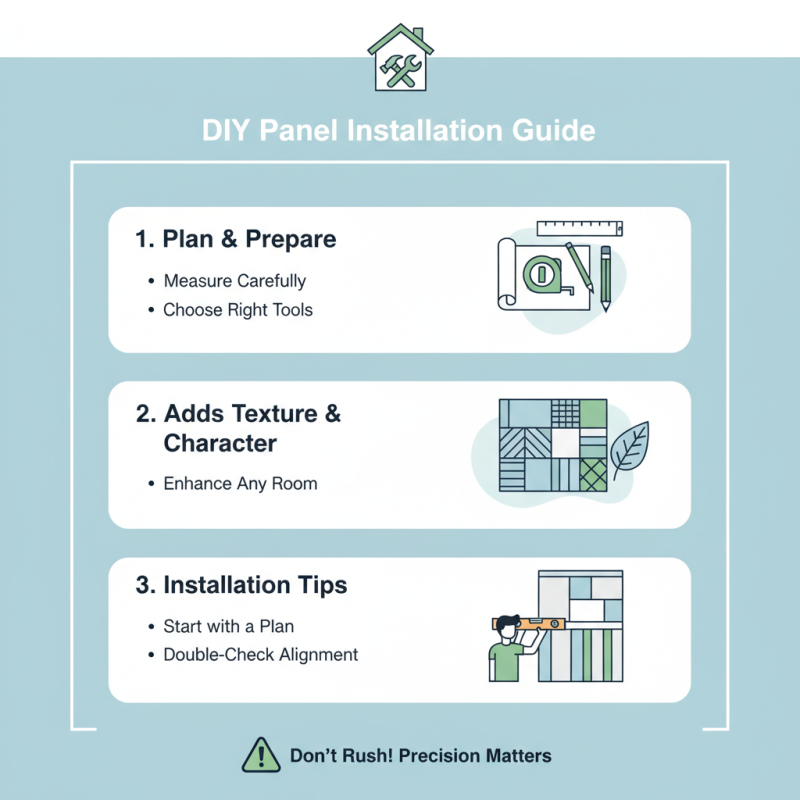
Tips: Incorporating panels can be tricky. Start with one feature wall. See how it transforms the room. Consider mixing materials for a rich look. Also, ensure proper lighting to enhance the textures and colors. A well-lit panel can become a stunning focal point in your decor. Reflecting on what works best for your space is key. Always aim for a personal touch in your design journey.
Functional Benefits of Using Ceiling and Wall Panels in Home Design
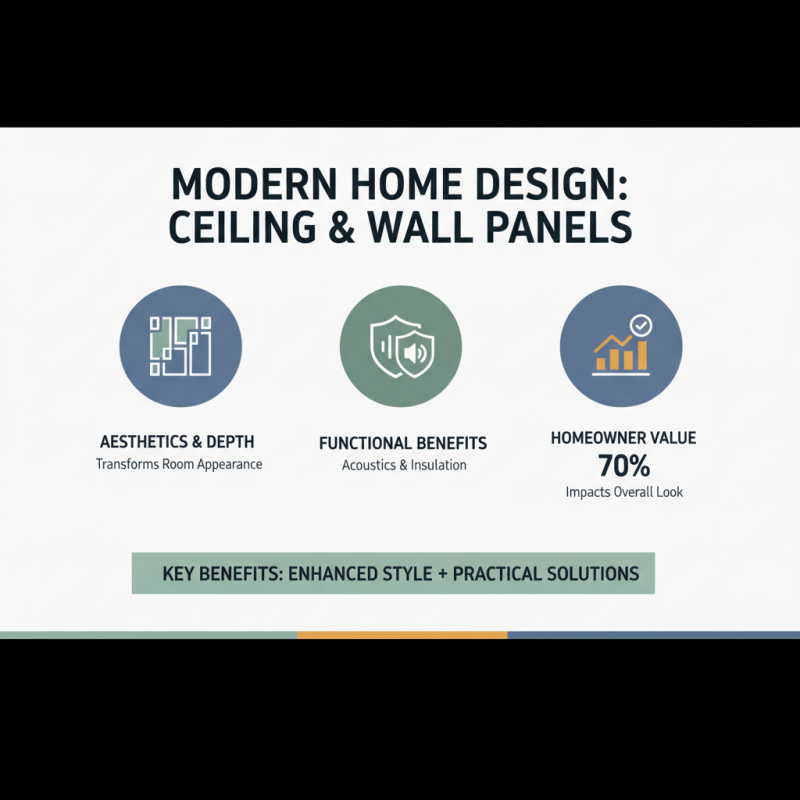
In modern home design, ceiling and wall panels offer striking functional benefits. They enhance aesthetics while providing practical solutions. According to industry reports, 70% of homeowners value the impact of wall panels on the overall look of their space. These panels can transform a room, creating depth and character.
Noise reduction is an often-overlooked advantage. Acoustic panels can minimize sound transmission, offering tranquility in busy homes. Studies show, homes with soundproofing features see a 30% increase in relaxation and productivity. Additionally, they can be energy-efficient by providing insulation, reducing heating and cooling costs.
It's essential to consider maintenance challenges. While panels can add elegance, cleaning them may be cumbersome. Choosing materials that balance aesthetics and function is critical. Aesthetic appeal might overshadow practicality at times, leading to discontent. Thoughtful planning is required to truly benefit from these innovations in home design.
How to Choose the Right Ceiling and Wall Panels for Your Space
Choosing the right ceiling and wall panels can transform a space dramatically. Start by considering the style of your room. Think about the overall theme, whether it's modern, rustic, or eclectic. A minimalist space might benefit from sleek, smooth panels. Meanwhile, textured panels can add warmth and character to a cozy room.
Next, focus on the material. Wood, vinyl, or metal each offer unique aesthetics and functionality. Wood brings a natural feel, while vinyl is often easier to maintain. Consider how each option complements your color scheme. You may wish for a soft contrast or a bold statement. Don't forget about the size of the panels. Large panels can make a small room feel more spacious. Conversely, smaller panels can create an intimate atmosphere.
Remember, lighting plays a crucial role. The way light interacts with your chosen panels affects the overall vibe. Test samples under various lighting conditions to see what works best. It’s common to underestimate the importance of texture and pattern. Sometimes, what seems perfect in theory may not suit the real room. Take your time and reflect on your choices before committing.
2026 Best Ceiling Wall Panels for Home Decor and Design Ideas
| Panel Type |
Material |
Style |
Price Range (USD) |
Best For |
| Drop Ceiling Panels |
Mineral Fiber |
Contemporary |
$1 - $3 per sq ft |
Basements, Offices |
| Wood Wall Panels |
Plywood |
Rustic/Traditional |
$5 - $20 per sq ft |
Living Rooms, Cabins |
| PVC Panels |
PVC Plastic |
Modern/Minimalistic |
$2 - $6 per sq ft |
Bathrooms, Kitchens |
| Metal Panels |
Aluminum |
Industrial |
$10 - $25 per sq ft |
Commercial Spaces, Garages |
| Fabric Panels |
Textile |
Elegant |
$8 - $15 per sq ft |
Theaters, Bedrooms |