2026 Best Cladding PVC Sheets for Your Home Improvement Projects?
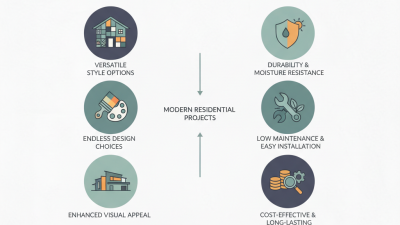
In the realm of home improvement, the selection of materials is crucial. Cladding PVC sheets emerge as a popular choice among homeowners and builders alike. According to a recent report by the Global PVC Market, the demand for PVC products is expected to grow by 5% annually over the next five years, driven by their durability and versatility. Cladding PVC sheets are noted for their resistance to moisture and ability to mimic the look of traditional materials, which appeals to various aesthetic preferences.
Despite their many advantages, potential buyers should consider the challenges associated with cladding PVC sheets. Not all products on the market are equal in quality. A study from the National Association of Home Builders indicates that subpar materials can lead to issues such as fading and warping over time. Selecting reputable brands ensures that your investment is sound and minimizes future hassles.
Using cladding PVC sheets in projects can enhance your home’s value and curb appeal, but it requires informed decisions. Awareness of product specifications and reviews can guide homeowners toward better selections. Keeping an eye on evolving trends and expert recommendations will ensure that your home improvement project is a success.

Types of PVC Cladding Sheets Available in 2026
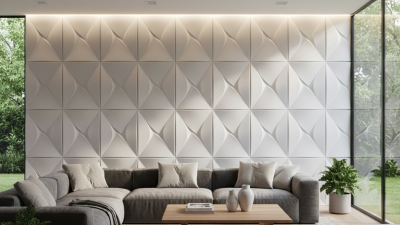
In 2026, homeowners have various options for PVC cladding sheets. These sheets are lightweight yet durable, making them ideal for exterior and interior use. One popular type is the textured PVC cladding, which mimics natural materials like wood and stone. This feature adds aesthetic appeal while retaining the practicality of modern materials.
Another option is the smooth finish PVC sheets. These sheets are easy to clean and maintain, making them suitable for high-traffic areas. They come in a range of colors, ensuring you can match them with your home’s design. However, color fading can be a concern if exposed to direct sunlight for long periods.
There are also fire-resistant PVC sheets available. They provide an added layer of safety, which is crucial for any home improvement project. Some homeowners may overlook this feature, but it’s essential to consider long-term safety. With the right choice, PVC cladding can enhance both the appearance and functionality of your home.
Benefits of Using PVC Sheets for Home Improvement
PVC sheets offer several benefits for home improvement projects. These sheets are lightweight yet durable, making them easy to handle. Their resistance to moisture and mold makes them suitable for various environments, including kitchens and bathrooms. Homeowners often appreciate their versatility in design as well, as they can mimic the appearance of natural materials without the maintenance required.
Another significant advantage of PVC sheets is their ease of installation. Many DIY enthusiasts find them straightforward to fit and cut according to their needs. This simplifies the renovation process, allowing for quicker project completion. However, it's essential to ensure proper sealing at the edges to prevent water infiltration. While PVC sheets are reliable, some users note the need for regular cleaning to maintain their appearance.
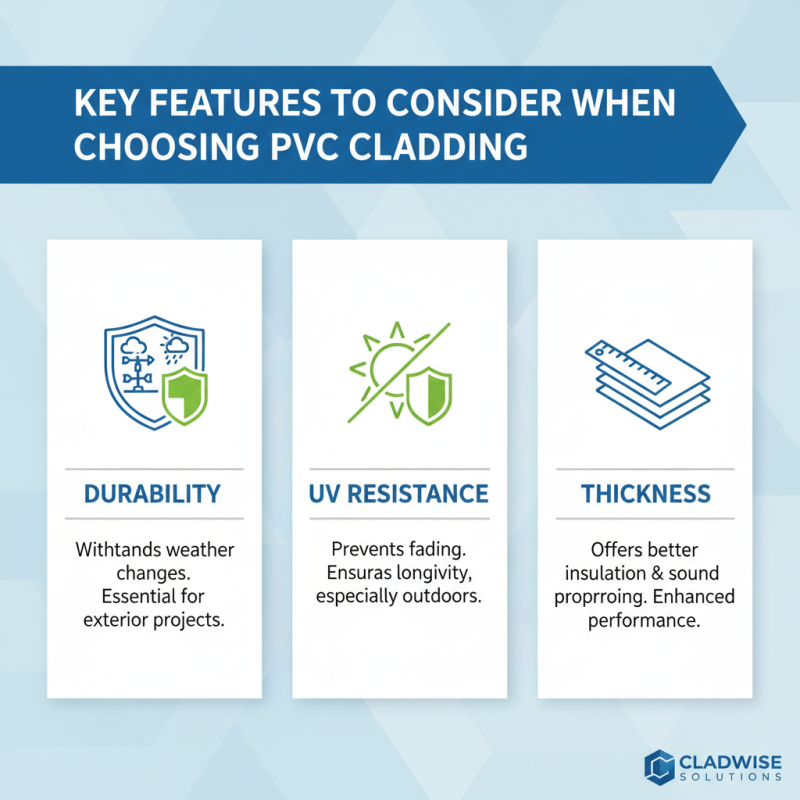
Ultimately, choosing PVC sheets can enhance your home’s aesthetics and functionality. Be mindful of the decisions you make, as not all sheets are created equal. Investing time in selecting quality materials enhances durability and overall satisfaction. Remember to consider factors such as thermal insulation or UV resistance based on your specific project requirements.
Top Brands Offering Quality PVC Sheets in 2026
As 2026 approaches, homeowners are increasingly turning to PVC sheets for their improvement projects. These sheets offer durability and flexibility while ensuring a timeless aesthetic. Many brands are stepping up, providing high-quality options that cater to various needs. Homeowners should consider the thickness and finish of the sheets. Some brands offer textured finishes that resemble natural materials. Others provide smooth surfaces ideal for modern designs.
Choosing the right brand is essential. Look for brands known for their rigorous testing and certifications. Review customer feedback to assess reliability and quality. It's crucial to balance cost and performance. While cheaper options may seem appealing, they might not withstand the test of time. Consider conducting a comparative analysis before making a purchase. Research can reveal valuable insights, helping you avoid poor decisions.
Be mindful of the installation process too. Some sheets require professional help, which can increase costs. DIY enthusiasts may prefer products that are easy to install. Take time to evaluate your skill level and available tools. Planning ahead can save time and frustration during the project. Investing in high-quality PVC sheets will likely yield long-lasting satisfaction and enhance your home’s appeal.
2026 Best Cladding PVC Sheets for Your Home Improvement Projects
This bar chart represents the quality ratings of PVC sheets based on five important dimensions for home improvement projects in 2026. The metrics evaluated include durability, cost, aesthetics, maintenance, and sustainability, showing the overall performance expected from top cladding PVC sheet options available.
Installation Tips for PVC Cladding Sheets at Home
When installing PVC cladding sheets, preparation is key.
Start by measuring your wall space accurately. Ensure you have a flat, clean surface. Any debris can affect adhesion.
If the wall is uneven, consider sanding it down. Choose high-quality adhesive for a secure bond. Apply it evenly and in thin layers.
Cutting the sheets can be tricky.
Use a fine-toothed saw for straight edges. Measure twice, cut once to avoid mistakes. Remember, you can always trim more,
but it's hard to fix overshooting. Also, wear safety goggles to protect your eyes from flying debris.
When mounting the sheets, line them up carefully. Leave a small gap at the edges to allow for expansion.
Check for level by using a spirit level. It’s easy to miss small details, but they impact the final look.
Don’t rush this step. Once mounted, pressing the sheets firmly will ensure a lasting installation.
Take a moment to step back and assess your work. It helps catch any misalignments early.