What is Ceiling Soffit Panels and How are They Used?
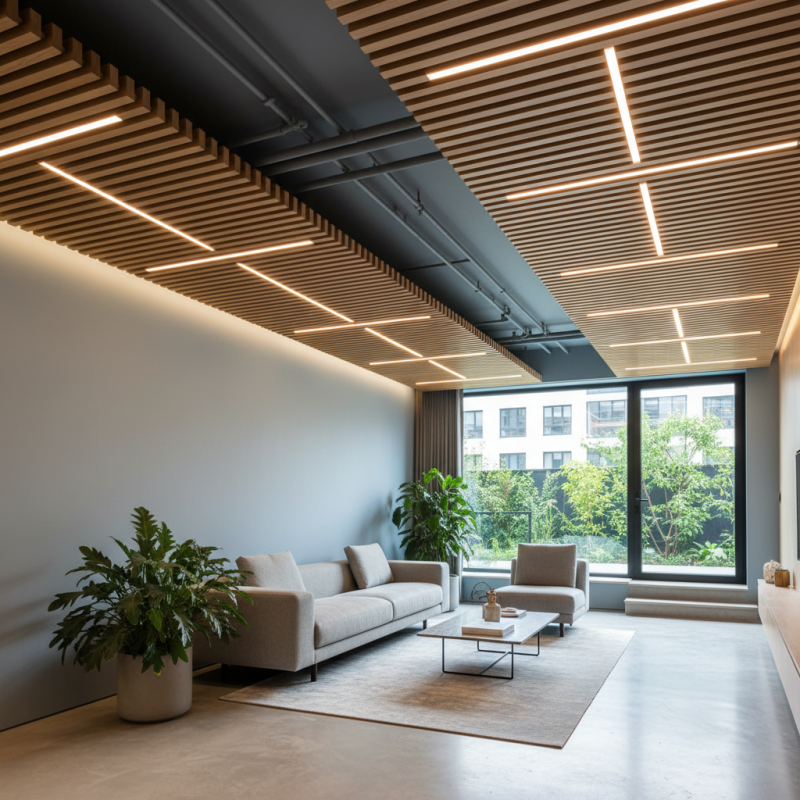
Ceiling Soffit Panels are a unique architectural feature. They serve both aesthetic and functional purposes in various spaces. These panels are designed to cover structural elements like ductwork or plumbing. This not only enhances the visual appeal but also creates a polished look.
The use of Ceiling Soffit Panels can transform rooms dramatically. They come in diverse styles and materials, making them versatile for any design. Homeowners and designers appreciate how these panels improve the overall ambiance. Yet, selecting the right material can be challenging. It's essential to consider durability and maintenance.
While Ceiling Soffit Panels offer many benefits, care must be taken during installation. Poor installation could lead to problems, like uneven surfaces. It's crucial to consult with experts. Their experience ensures quality outcomes. By understanding the nuances, you can make informed decisions that elevate your space.
Definition and Purpose of Ceiling Soffit Panels
Ceiling soffit panels serve a crucial role in modern architecture. These panels are typically installed in areas where the ceiling dips down. They help conceal plumbing, wiring, or ductwork. By doing so, they create a more polished and aesthetically pleasing environment. These panels can transform a cluttered ceiling into a seamless and refined look.
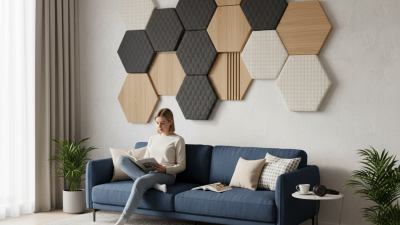
The primary purpose of ceiling soffit panels is to enhance visual appeal. They can also improve acoustics in a room. Softer surfaces found in these panels may absorb sound better than bare materials. Additionally, they can contribute to insulation. However, installation can be tricky and requires careful measurement. Mistakes in cutting or fitting can lead to gaps or misalignments. This can diminish their overall effectiveness.
Using soffit panels can be an art. They come in various styles, colors, and textures. Choosing the right type is essential for achieving the desired effect. It's easy to get lost in choices, sometimes leading to overwhelming results. Reflecting on functionality while selecting materials is vital. Balancing design with practicality can sometimes feel challenging, but it is ultimately rewarding.
Understanding the Usage of Ceiling Soffit Panels
Materials Used in Ceiling Soffit Panels Manufacturing
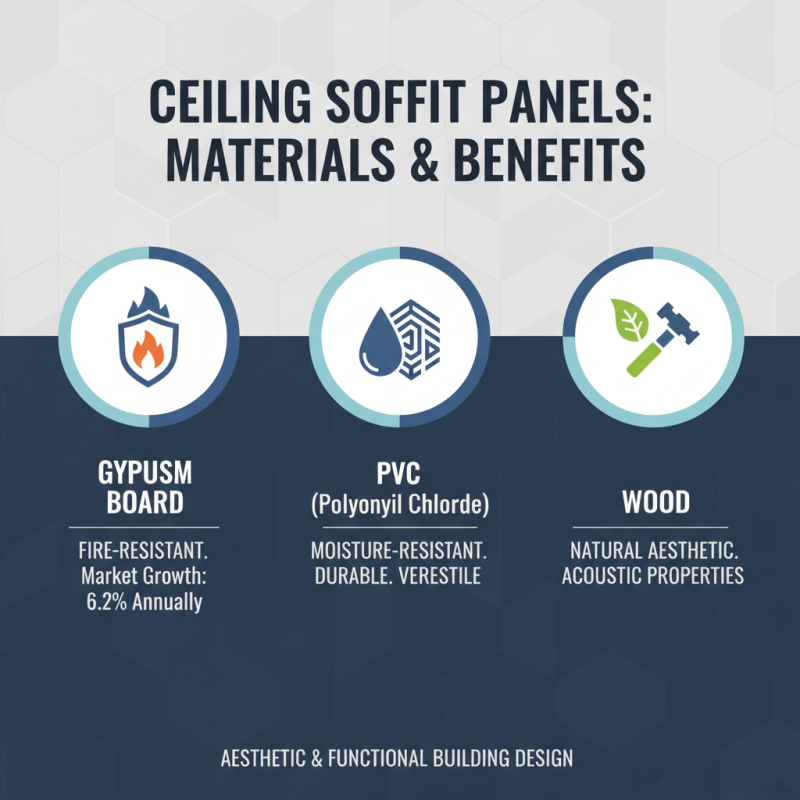
Ceiling soffit panels are essential in both aesthetic and functional aspects of building design. These panels are often made from a variety of materials, each offering unique benefits and challenges. Common materials include gypsum board, PVC, and wood. Gypsum board is popular due to its fire-resistant properties. According to industry research, the global gypsum board market is expected to grow by 6.2% annually, highlighting its relevance in construction.
PVC is another widely used material. It is lightweight, water-resistant, and easy to install. Reports indicate that the PVC ceiling market is projected to reach $5 billion by 2025, driven by increasing demand in commercial settings. However, installation must be meticulous; improper fitting can lead to sagging over time. Wood offers a natural aesthetic but poses maintenance challenges. It can warp and requires regular treatment against moisture.
While these materials each have benefits, they also have limitations. The choice of material should be based on the specific needs of the space. Cost, durability, and aesthetics all play a role. Decisions must consider long-term implications, especially in high-moisture areas like bathrooms or kitchens. Only by evaluating performance data can one make informed choices in ceiling soffit panel manufacturing and application.
Installation Techniques for Ceiling Soffit Panels
Ceiling soffit panels are versatile elements in interior design and construction. Their installation requires a careful approach to ensure both functionality and aesthetics. Many professionals recommend a thorough assessment of the space before starting. The panels should be cut precisely to fit snugly against walls and ceilings. Studies show that improper installation can lead to structural weaknesses and moisture issues.
When installing soffit panels, start by measuring the dimensions accurately. Use a level to mark the installation height and ensure a straight line. Installing a supporting frame can enhance the panel's durability. Some experts suggest using adhesive along with screws for added stability. According to recent data, over 70% of contractors prefer a dual-method approach for better adherence and support.
Additionally, addressing potential issues during installation is vital. For example, gaps can lead to air leaks. This can influence energy efficiency, raising utility costs. Common mistakes include misaligned panels and inadequate sealing. Reflecting on these points can lead to improved practices and outcomes. Ultimately, careful installation of ceiling soffit panels can yield both functional and visual benefits in any space.
Design Options and Aesthetic Considerations for Soffit Panels
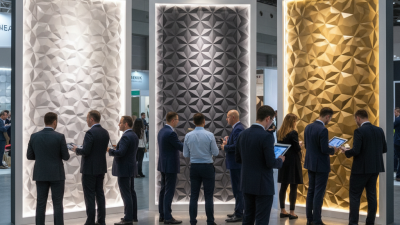
Soffit panels offer various design options that cater to different aesthetics. These panels can be made of metal, vinyl, or wood. Each material brings unique features. For example, metal panels are durable, while wood provides warmth. A recent industry report indicates a growing preference for natural materials, reflecting a trend towards sustainable design.
Moreover, colors and textures play a significant role in visual appeal. Light colors can make a space feel larger. Textured finishes add depth and interest. According to a 2022 survey, 72% of homeowners prioritize visual impact when selecting soffit panels. This consideration influences overall interior and exterior design.
Balancing style and functionality is crucial. While aesthetics are important, installation and maintenance must also be considered. Many designers overlook long-term upkeep. It’s essential to choose materials that not only look good but are also easy to maintain. Keeping up with trends can lead to choices that may not stand the test of time. Thoughtful selection ensures an enduring and stylish finish.
Common Applications of Ceiling Soffit Panels in Various Settings
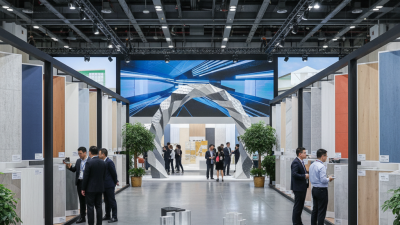
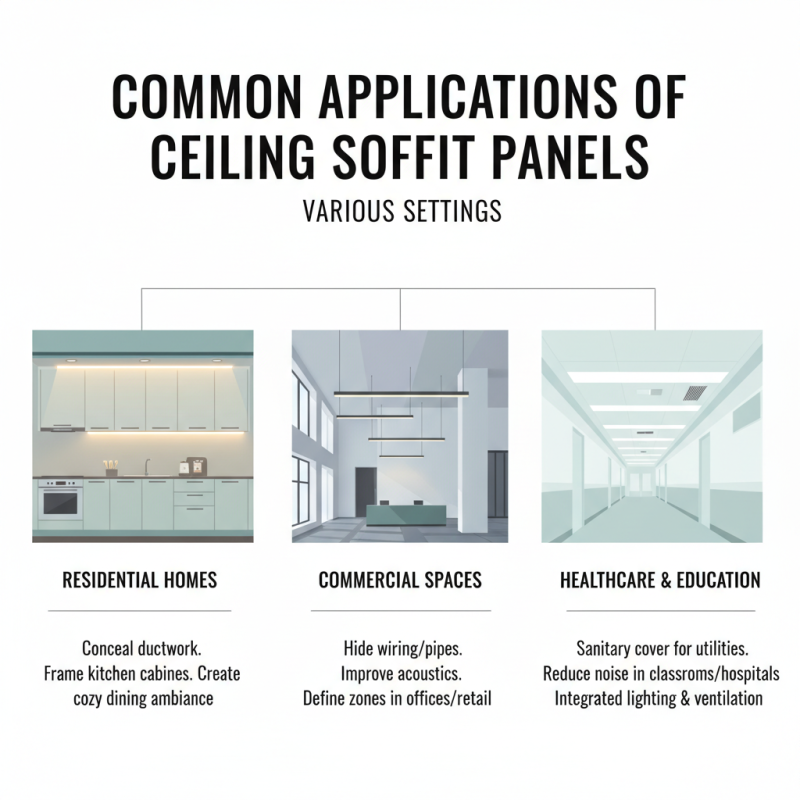
Ceiling soffit panels are versatile elements used in diverse settings. They provide a finished look while concealing ductwork, pipes, and wiring. Their applications extend across residential and commercial spaces. In homes, these panels can add character to a kitchen by framing the area above cabinets. They can also establish a cozy ambiance in dining rooms.
In commercial buildings, soffit panels play a crucial role in design and functionality. Retail spaces benefit from recessed lighting and smooth finishes. In offices, they increase aesthetic appeal while hiding unsightly mechanical systems. Restaurants often use soffit panels to create themed environments, ensuring a cohesive look.
**Tip:** When selecting soffit panels, consider the material and finish that best suit your space. Wood, PVC, and metal are popular options. Each material offers unique looks and durability.
Some shortcomings exist with ceiling soffit panels. Improper installation can lead to visible seams or gaps. Maintenance can be challenging for certain materials. Regular cleaning may be needed to avoid dust buildup.
**Tip:** Pay attention to the maintenance needs based on your selected material. This will save time and effort in the long run. Proper planning can help avoid costly repairs.