Why Choose Soundproof Wall Panels for Effective Noise Reduction?
In today's increasingly noisy world, the need for effective noise reduction has never been more crucial. According to a report by the World Health Organization, noise pollution contributes to various health issues, including stress and sleep disturbances for more than 30% of the global population. This highlights the urgency of finding practical solutions for acoustic comfort. One such solution is the use of Soundproof Wall Panels.
These panels serve as an efficient barrier against unwanted sound, enabling a more peaceful living and working environment. The Acoustical Society of America emphasizes that properly installed soundproof panels can reduce noise levels by 50% or more in certain spaces. This significant reduction fosters a more productive atmosphere, especially in open office settings. Yet, many still underestimate the impact of soundproofing on overall well-being.
Choosing the right Soundproof Wall Panels requires careful consideration. Not all panels are created equal, and materials play a significant role in effectiveness. Industry studies indicate that absorbing materials such as mineral wool outperform traditional drywall in sound absorption. Understanding these aspects ensures that investments in soundproofing yield satisfactory results, promoting greater tranquility and focus.
Benefits of Soundproof Wall Panels for Noise Control
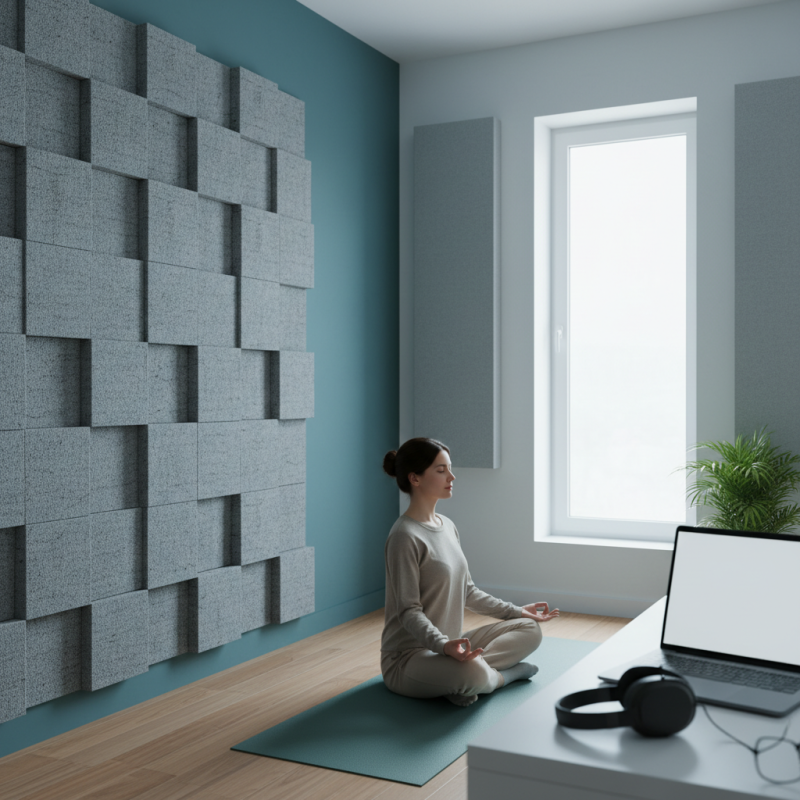
Noise pollution is an increasing concern in urban areas. Many people experience disturbances from traffic, construction, or even noisy neighbors. Soundproof wall panels offer a practical solution to mitigate these issues. These panels are designed to absorb sound waves, reducing the noise that enters and exits a space. According to a report by the Acoustical Society of America, well-designed soundproofing can reduce noise by up to 60%.
The benefits of soundproof wall panels go beyond mere noise reduction. They can enhance the quality of life, providing a serene environment for relaxation or focused work. Studies reveal that people who work in quieter settings report greater productivity. In fact, the International Journal of Environmental Research and Public Health noted that excessive noise can lead to stress and decreased efficiency. Moreover, soundproof panels can be aesthetically pleasing, blending functionality with design.
However, not all soundproofing solutions are equally effective. Factors such as material type and installation quality significantly influence performance. Many consumers find themselves disappointed by the results after installation. It's crucial to assess the specific noise issues present in a space before choosing soundproof materials. Consulting with experts can lead to better decisions, ensuring a more satisfying outcome in the quest for peace and quiet.
Why Choose Soundproof Wall Panels for Effective Noise Reduction? - Benefits of Soundproof Wall Panels for Noise Control
| Aspect |
Details |
| Material |
Acoustic foam, mass-loaded vinyl, MDF |
| Noise Reduction |
Up to 85% sound absorption |
| Ideal For |
Recording studios, home theaters, offices |
| Installation |
Easy to install with adhesive or brackets |
| Aesthetic Options |
Available in various colors and designs |
| Cost-Effectiveness |
Reduces the need for additional soundproofing |
| Longevity |
Durable and long-lasting materials |
How Soundproof Wall Panels Work to Reduce Noise
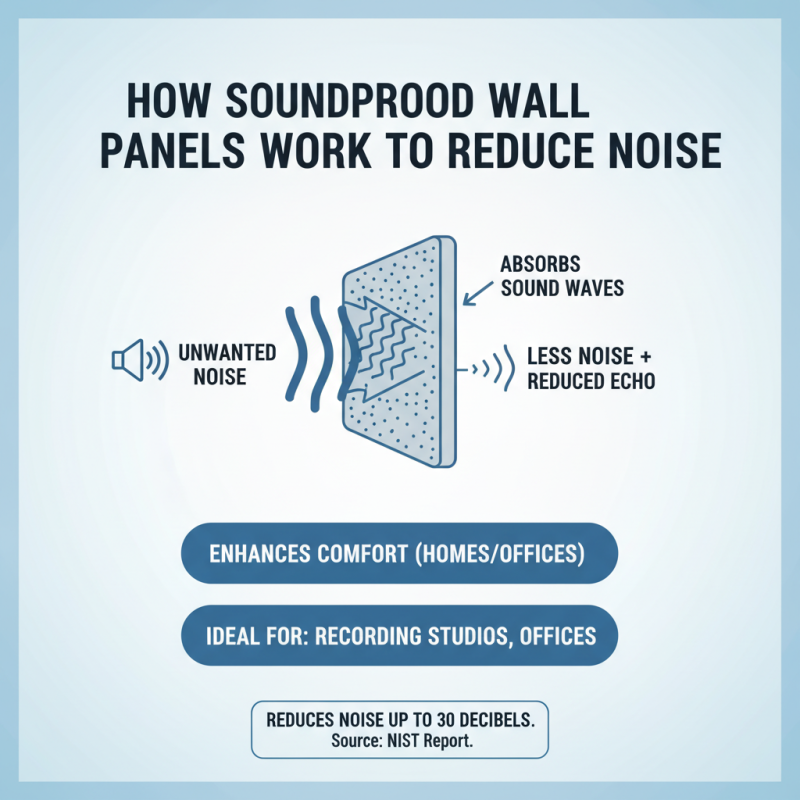
Soundproof wall panels are becoming essential in modern spaces. These panels significantly reduce unwanted noise, enhancing comfort in homes and workplaces. They work by absorbing sound waves, which minimizes echo and reverberation. According to a report by the National Institute of Standards and Technology, soundproofing materials can reduce noise levels by up to 30 decibels. This is critical in environments like recording studios and offices.
The effectiveness of soundproof wall panels lies in their design and material. Many panels utilize dense foam or mineral wool, which traps sound waves. This prevents noise from traveling through walls. Moreover, layering different materials can add further sound absorption, improving performance. These panels not only help with noise reduction but also enhance room aesthetics. They can come in various colors and patterns, effectively fitting into any design scheme.
**Tip:** Always consider the room's purpose before selecting soundproofing materials. For spaces with high noise levels, denser materials may be necessary. Experiment with different configurations to find the best solution, as individual needs can vary. Not every solution works perfectly; it's beneficial to assess your acoustic needs regularly.
Types of Soundproof Wall Panels Available in the Market
When it comes to soundproof wall panels, there are several types available in the market. Acoustic foam panels are a popular choice. They are lightweight and easy to install. These panels absorb sound, making them ideal for recording studios or home theaters. Many users appreciate their aesthetic appeal as well. However, not everyone finds them effective in all situations.
Another type is mass loaded vinyl (MLV) panels. MLV is denser than foam and blocks sound quite well. It is often used in apartments or offices for significant noise reduction. Installation can be more complex, though. It requires careful measuring and sometimes additional support. This can be a hurdle for DIY enthusiasts.
Fiberglass panels are another option. They not only provide sound absorption, but also thermal insulation. Their versatility makes them suitable for various environments, from commercial spaces to residential homes. Yet, some might find them less visually pleasing, and they require careful handling during installation. Ultimately, choosing the right type depends on individual needs and the specific environment. Each option has its pros and cons that need consideration.
Installation Process for Soundproof Wall Panels
Installing soundproof wall panels can significantly reduce unwanted noise. The impact this has on living and working environments is notable. According to the Acoustic Society of America, proper soundproofing can lower noise levels by up to 80%. This can improve focus and comfort in busy spaces.
The installation process involves several steps. First, assessing the space is crucial. Identifying areas with the highest noise levels helps position the panels effectively. After that, measuring and planning ensure that panels fit snugly. It’s recommended to use acoustic caulk or adhesive for a secure fit. Panels should be installed from floor to ceiling for maximum effect.
Many homeowners overlook the need for surface preparation. Cleaning walls before applying panels helps adhesive bond better. It's a detail that can make a big difference. Additionally, ensuring a tight seal around edges prevents sound leakage. These steps require attention, and sometimes, first-time installers may cut corners. Taking the time to do it right pays off, particularly in noise-heavy environments.
Cost-Effectiveness of Soundproof Wall Panels Compared to Alternatives
Soundproof wall panels are a practical choice for noise reduction. They effectively absorb sound and reduce vibrations. This ability makes them an attractive option for both residential and commercial applications. According to a report by the Acoustical Society of America, the right wall panels can reduce noise levels by up to 50%. This improvement creates a more peaceful environment, whether in a home, office, or studio.
Cost-effectiveness is a major factor when considering soundproofing options. Traditional soundproofing materials like heavy curtains and acoustic tiles can be expensive and may not perform as well. A report by the National Institute of Standards and Technology shows that soundproof wall panels can provide a better price-to-performance ratio. For instance, the upfront investment in quality panels can save more over time through reduced noise complaints and greater comfort in living spaces.
Not all soundproofing solutions are created equal. Some options might require additional materials or labor, increasing the overall cost. Soundproof wall panels, however, typically install easily and require minimal maintenance. While exploring options, it’s essential to assess your specific needs and budget. Consider if the chosen method meets your soundproofing goals without overextending your finances.