How to Choose the Best Ceiling Wall Panels for Your Space?
Choosing the right Ceiling Wall Panels can transform your space dramatically. These panels not only enhance aesthetics but also serve practical purposes. They can improve insulation, reduce noise, and conceal wiring. However, finding the best fit for your needs requires careful consideration.
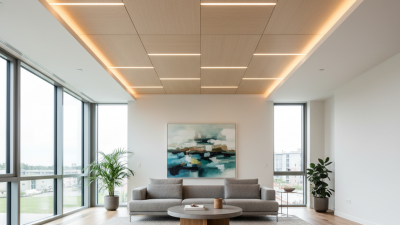
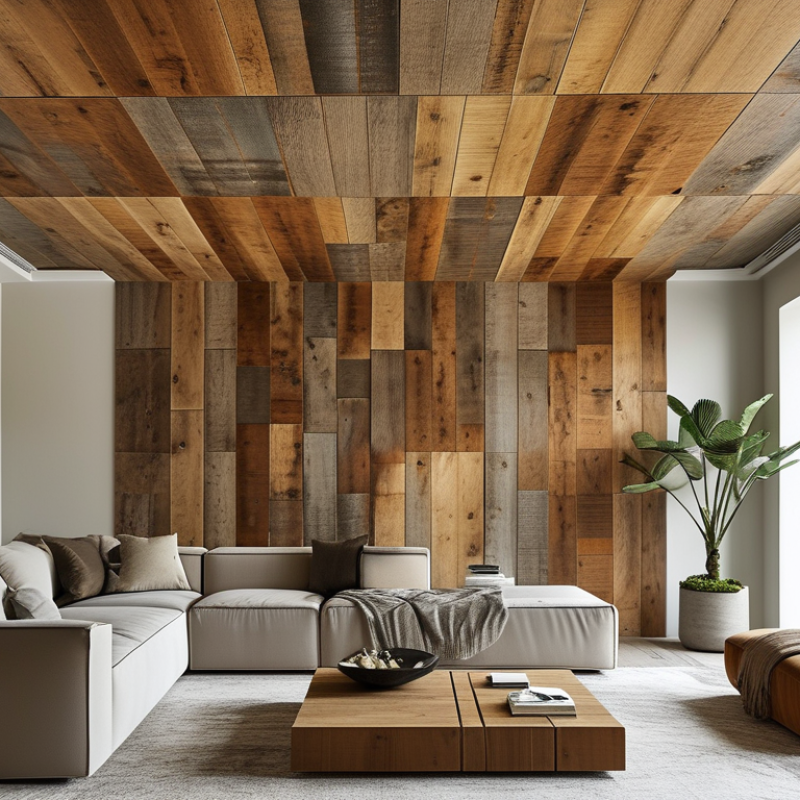
When selecting Ceiling Wall Panels, think about the overall design of your room. The color, texture, and style of the panels should complement existing decor. For instance, sleek modern panels can create a clean look, while rustic wood panels add warmth and character. The size and shape of the room also matter. In smaller spaces, light-colored panels can make the area feel larger.
While it may seem straightforward, mistakes can occur. Some might choose panels solely based on trends, overlooking functionality. Others may underestimate the importance of easy installation and maintenance. Reflecting on these aspects will lead you to make better-informed decisions.
Factors to Consider When Choosing Ceiling Wall Panels
When selecting ceiling wall panels, it's crucial to consider several factors to ensure they meet your needs. Start with the material. Options like PVC, wood, and metal each offer different aesthetics and durability. PVC is lightweight and water-resistant, making it suited for humid areas. Wood brings warmth but requires maintenance. Metal can create a modern look but might echo noises.
Next, think about insulation. Some panels provide better thermal insulation than others. This aspect is vital for energy savings and enhancing comfort. Additionally, consider the panel size and installation method. Larger panels can make installation quicker but may require more precise cutting.
Lighting is another essential element. The right panels can enhance natural light or create a cozy ambiance. Reflective materials can brighten a small space, while matte finishes can absorb light for a more intimate feel. Finally, aesthetics are subjective. Your personal taste should always play a role. Don't rush; each decision matters in creating a cohesive environment.
Types of Ceiling Wall Panels and Their Applications
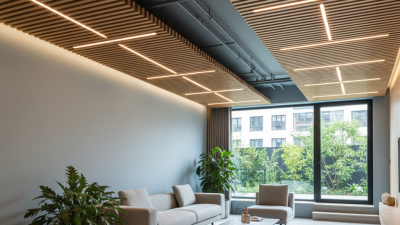
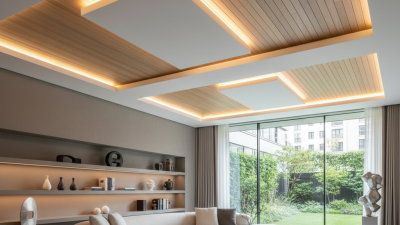
Ceiling wall panels come in various types, each suited for specific applications. Acoustic panels are essential in spaces where sound control is vital, such as recording studios and conference rooms. They reduce noise and enhance clarity. Wooden panels offer a warm aesthetic, perfect for residential areas. Their natural look adds character to living rooms and dining spaces.
Vinyl panels are another popular choice. They are moisture-resistant, making them ideal for bathrooms and kitchens. Their easy maintenance is appealing to many homeowners. Metal panels provide a sleek, modern vibe. These are often used in commercial settings, such as restaurants or trendy offices, where design plays a crucial role.
However, choosing the right panel can be challenging. The style you want might not suit your space's acoustic or thermal needs. A well-thought-out choice is essential. Lighter panels allow for easier installation but may lack durability. Heavier options often require additional support. Reflecting on these aspects can lead to a more informed decision, benefiting both aesthetics and functionality.
Types of Ceiling Wall Panels and Their Applications
Aesthetic Considerations for Selecting Ceiling Wall Panels
When selecting ceiling wall panels, aesthetic considerations are vital.
Colors play a significant role in shaping the mood of your space.
Light shades can create an airy feel, while darker tones add warmth and intimacy.
Think about how colors complement your existing decor.
For example, a soft blue might enhance a coastal theme, while deep green suits a forest-inspired room.
Texture also proves essential in creating visual interest.
Smooth finishes offer a modern look, whereas textured panels can evoke a rustic charm.
Consider the materials, too. Wood may bring a cozy, natural element, but metal can introduce a sleek, contemporary edge.
Layering different textures can create depth and sophistication in your design.
Lighting interacts uniquely with various materials.
You might need to adjust your lighting plan based on panel choices.
Some surfaces reflect light beautifully, while others absorb it.
Observing how light changes throughout the day can help refine your choices.
Don't be afraid to experiment. A seemingly perfect panel could clash under certain conditions.
Choosing the right ceiling wall panels involves constant reflection and adjustment.
Installation Process for Ceiling Wall Panels
Installing ceiling wall panels can dramatically enhance the aesthetics and acoustics of your space. Start by measuring your area accurately. This helps you determine the quantity of panels needed. According to industry reports, improper measurements can lead to a 15% increase in material costs. Choose materials that suit your environment, whether it’s moisture-resistant panels for bathrooms or soundproof options for offices.
When installing, ensure you have a clean and level surface. This provides a solid foundation for the panels. Use a level tool to align your first panel. This step is crucial. An uneven panel may lead to gaps and future complications. Remember to leave a small expansion gap around walls to allow for any material changes over time.
Tips:
- Consider using adhesive alongside mechanical fasteners for added stability.
- Also, invest in a good quality saw for clean cuts, as rough edges can detract from the overall look.
- Before starting, gather all necessary tools to minimize interruptions.
- Reflect on your progress regularly. Improvisation can lead to mistakes, but learning from them ensures a smooth installation process.
Maintenance Tips for Longevity of Ceiling Wall Panels
When selecting ceiling wall panels, maintenance is crucial for their longevity. Regular cleaning is essential. Dust and grime can accumulate over time. Use a soft brush or cloth to wipe down the panels. Avoid harsh chemicals; they may cause damage or discoloration.
Pay attention to humidity levels in your space. Moisture can lead to mold growth. Consider using a dehumidifier in damp areas. Inspect panels regularly for signs of wear or damage. Early detection can save you time and money on repairs or replacements.
Consider using a protective coating. This can enhance durability and ease cleaning. However, be cautious when applying this; improper techniques can affect appearance. Lastly, remember that every material behaves differently. You may need to adjust your approach based on the specific type of panel you choose. This reflection can guide your maintenance routine effectively.