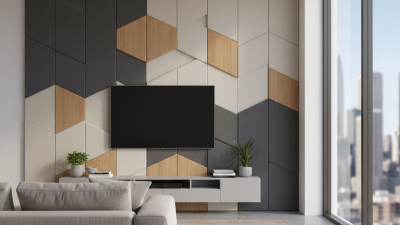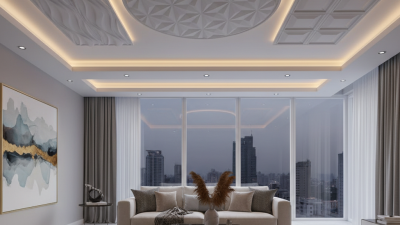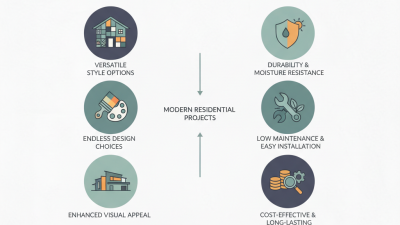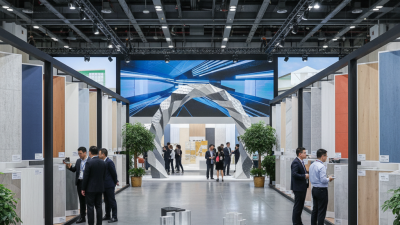
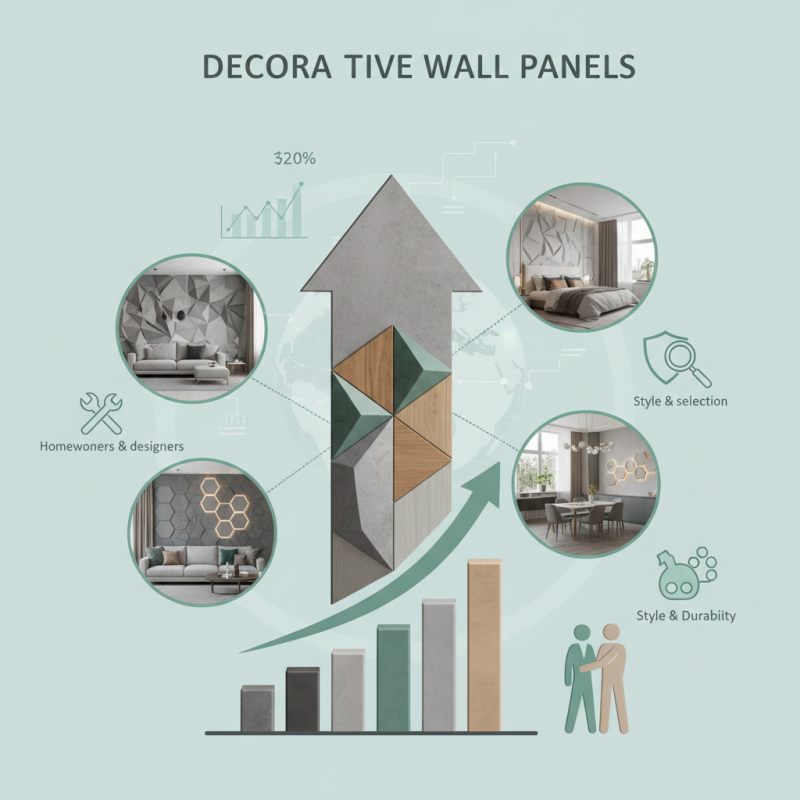
The use of 3D decorative wall panels has surged in modern interior design. According to a recent report by Market Research Future, the global 3D wall panel market is expected to grow significantly, projected to reach $3 billion by 2025. This growth reflects a broader trend where homeowners and designers seek innovative solutions to enhance aesthetics and functionality.
Expert designer Sarah Mitchell states, “3D decorative wall panels offer a unique way to add depth and character to any space.” Her insights underline the rising demand for such products, driven by their versatility and the ability to create visually striking environments. Designers increasingly utilize these panels to transform bland walls into captivating focal points.
Despite the evolving market, challenges remain. Not all panels achieve the desired balance of style and durability. Some may find cheaper options that compromise on quality. This emphasizes the importance of careful selection. In an industry where trends rapidly change, staying informed is key. The journey towards mastering 3D decorative wall panels is ongoing, beckoning both innovation and conscious choices.
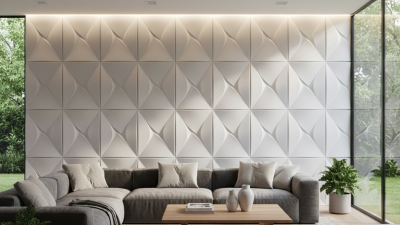
In 2026, 3D decorative wall panels are set to redefine modern interior design. The trend is moving towards organic textures and nature-inspired patterns. These designs create a sense of calm and connection to the environment. Utilize materials that mimic natural elements. Wood and stone effects are particularly popular.
Tips to consider: Always think about lighting. The right illumination can enhance the depth of the panels. Install dimmable lights for a customized atmosphere. Texture plays a crucial role as well. Mix different panel styles for a unique feature wall. This adds visual interest and character to your space.
In addition, sustainability is gaining traction. More homeowners seek eco-friendly options. Recycled materials and responsible sourcing are priorities for many. However, not all green solutions are perfect. Some may lack durability. It’s essential to research and select reliable products. Remember, the best designs reflect personal taste and lead to thoughtful discussions.
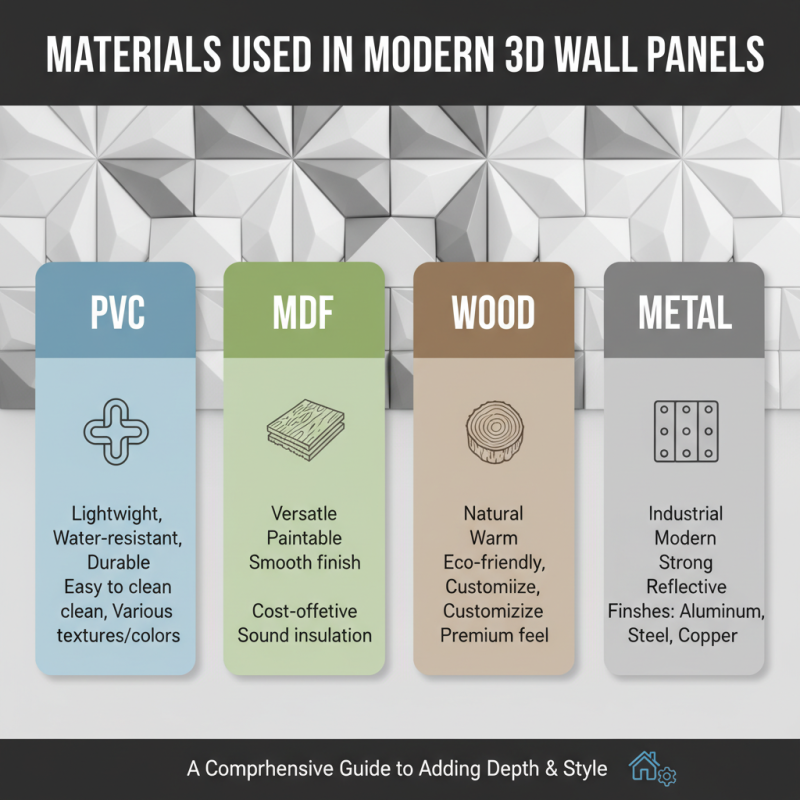
In modern interior design, 3D decorative wall panels add depth and intrigue. The materials used in these panels play a significant role in achieving desired aesthetics and functionality. Commonly employed materials include PVC, MDF, wood, and metal. Each of these materials has unique properties that contribute to the overall design theme.
PVC panels are lightweight and moisture-resistant. They are ideal for high-humidity areas like bathrooms. Meanwhile, MDF offers versatility with its smooth finish, allowing for intricate designs and easy painting. Wood panels bring warmth and a natural aesthetic, though they require proper maintenance to prevent warping. Metal panels, on the other hand, introduce a sleek and modern feel, but can sometimes appear cold.
While these materials each have their benefits, it's essential to consider their limitations. For instance, some woods may not be as durable as metal or PVC. Accessibility is another consideration, as some materials can be difficult to source. Additionally, installation methods vary based on the material, which may complicate the process. Understanding these aspects helps create a more informed, aesthetically pleasing design.
When it comes to 3D wall panels, creative installation techniques can truly transform a space. Consider using paneling at different heights. This approach adds depth and dimension to the design. It creates a visual rhythm that the eye finds appealing. Instead of sticking to a flat installation, play with layering. Overlapping panels can produce striking shadows and highlights.
Integrating 3D panels into existing architecture is another innovative technique. Cut panels to fit around windows or doors for a seamless look. This method enhances architectural features and unifies the overall design. Using a mix of materials can also elevate the space. Combine wooden panels with metal accents or fabric finishes for a unique effect. However, be mindful of consistency in texture and color. A mismatch can lead to a chaotic appearance that detracts from the modern aesthetic.
Consider the lighting design when installing 3D wall panels. Strategic lighting can accentuate the contours of the panels, creating an impressive showcase. Soft, diffused lighting works well. Harsh lights can create unflattering shadows. Always assess the room’s natural light. This affects how the panels interact with the environment. Experimenting with different techniques can offer unexpected surprises, pushing the boundaries of modern interior design.
When choosing the right 3D wall panel for your space, several factors come into play. It's essential to consider the room's size and intended style. In a recent report by Statista, the global market for decorative wall panels is expected to grow significantly, reaching around $25 billion by 2025. This growth reflects a rising trend toward personalized interior design.
Material choice is crucial. Panels can be made from wood, PVC, or even metal. Each material offers distinct aesthetics and durability levels. For instance, PVC panels are waterproof and easy to maintain, making them ideal for high-moisture areas. Wood panels, while elegant, require more upkeep and care.
**Tips:** Think about color matching with existing decor. A bold contrast can create a stunning effect. Ensure that the panel texture complements your furniture and overall theme.
Consider installation ease. Some panels come with adhesive backings, while others require more work. Professional installation may be needed for complex designs, adding to your budget. Proper planning prevents issues. Measure twice, install once. Choosing the wrong panel could lead to costly errors.
**Tips:** Always order samples before making a final decision. This helps visualize how the panel fits into your space. Don't rush; the right choice makes a lasting impact.
| Material | Texture | Color Options | Eco-Friendly | Price Range (per sq.ft) |
|---|---|---|---|---|
| PVC | Textured | White, Black, Gray | Yes | $10 - $20 |
| Wood | Natural Grain | Natural, Stained | Yes | $15 - $30 |
| Gypsum | Smooth Finish | White, Custom Colors | Yes | $8 - $18 |
| Fiberglass | Textured | Various | Yes | $12 - $25 |
| Metal | Industrial | Silver, Gold | No | $20 - $40 |
Maintaining 3D decorative wall panels is vital for preserving their aesthetic appeal. Regular upkeep can extend their lifespan significantly. According to industry reports, well-maintained wall panels can last up to 10 years longer than those neglected. This longevity depends on cleanliness, environmental factors, and the type of material used.
Dust and dirt accumulate easily on textured surfaces. A simple soft cloth can be effective for routine cleaning. For tougher stains, a mild soap solution works best. Many homeowners underestimate the impact of humidity and temperature changes. Fluctuating conditions can warp the panels, leading to expensive replacements. It is crucial to monitor these factors, especially in areas prone to moisture.
Another aspect often overlooked is the application of protective coatings. These can enhance durability while providing additional resistance to stains and abrasions. However, improper application can create uneven surfaces, which may detract from the design. It is advisable to test small areas first for compatibility. If unsure, consulting a professional can help prevent costly mistakes. Regularly checking the condition of the panels allows for timely interventions, ensuring they maintain their fresh look.