Top 5 Benefits of 3D Decorative Wall Panels for Home Design?
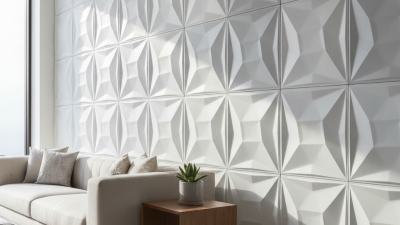
In today's home design landscape, 3D decorative wall panels have emerged as a transformative element. These panels add a unique depth and texture to any room. Homeowners are increasingly turning to these innovative solutions for both aesthetics and functionality.
The benefits of 3D decorative wall panels are numerous. They can easily elevate a dull space into a vibrant one. Their ability to absorb sound enhances the overall atmosphere. However, careful consideration is needed regarding material choice. Not all panels are created equal; some may not withstand humidity or temperature fluctuations.
Investing in 3D decorative wall panels also invites creativity. They come in various styles, colors, and textures. Yet, design choices should align with personal taste and the overall theme of the home. Ultimately, while these panels offer many advantages, selecting the right one requires thoughtfulness and a keen eye for detail.
Understanding 3D Decorative Wall Panels: An Overview
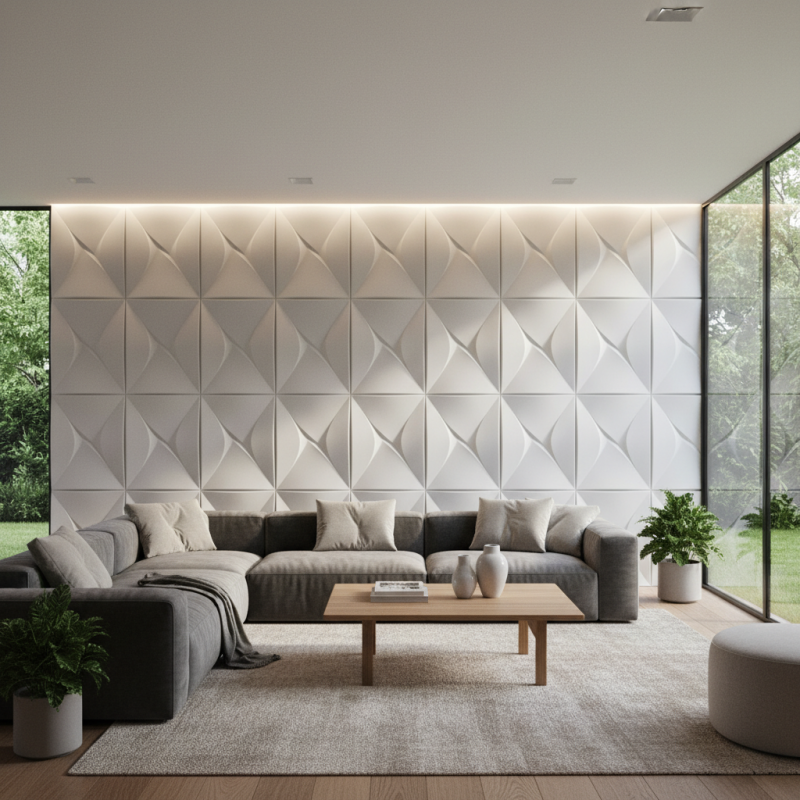
3D decorative wall panels have become a popular choice in home design. These panels add depth and modern flair to any space. They’re made from various materials, providing a versatile solution for different aesthetics. The lightweight nature of these panels makes installation straightforward. Homeowners appreciate how easily they can transform a room.
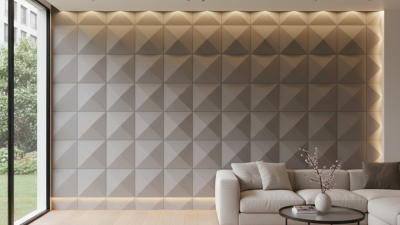
When choosing 3D decorative wall panels, consider the room's purpose. For example, select bold, geometric designs for a vibrant living space. Alternatively, softer textures may be ideal for bedrooms. Lighting also plays a crucial role. Proper placement can accentuate the panel's features. Experimenting with different lighting can yield stunning effects.
Tips: Make sure to think about maintenance. Some materials may require special cleaning methods. It's crucial to understand the panel's material before installation. Check for durability against wear and tear. Additionally, don't rush into a decision. Live with a sample for a few days. This will help ensure you're making the right choice for your home.
Enhancing Aesthetics: How 3D Panels Transform Interior Spaces
3D decorative wall panels are revolutionizing interior design. These panels enhance aesthetics by adding depth and texture to any space. According to a report by Allied Market Research, the global decorative wall panels market is expected to reach $50 billion by 2026. This signifies a growing recognition of the importance of visual appeal in home environments.
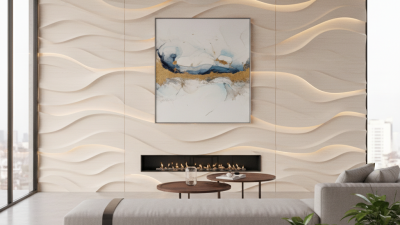
The use of 3D panels can transform a plain wall into a captivating focal point. Textured surfaces create shadows and highlights, enriching the overall ambiance. Homes with 3D panels often experience increased property value. A study by the National Association of Realtors found that aesthetic improvements contribute to higher resale prices. However, not all designs suit every space. Choosing the wrong style can overwhelm a room.
Installation complexity is another consideration. While some panels are user-friendly, others require professional assistance. This can lead to increased costs. It’s essential to reflect on the desired effect before committing. Investing in 3D panels can undoubtedly elevate a space, but careful selection is crucial. Balancing creativity and practicality can yield stunning results.
Improving Acoustics: The Soundproofing Benefits of Wall Panels
When designing a home, sound quality is often overlooked. However, 3D decorative wall panels offer significant soundproofing advantages. These panels enhance acoustics by absorbing sound waves. Unlike traditional materials, they create a unique visual and auditory experience. The textured surfaces disrupt sound reflections, which can reduce echo in rooms.
Implementing these panels can transform spaces into serene environments. They are ideal for home theaters, studios, or any area where noise matters. The materials used can vary, but the outcome remains consistent—a quieter, more controlled auditory space. However, some homeowners may find it challenging to choose the right style and material. Balancing aesthetics and functionality is not always easy.
Additionally, installing these panels requires careful planning. Poor placement can lead to uneven sound distribution. It's crucial to consider the layout of your room before installation. Overall, while 3D wall panels improve acoustics, thoughtful execution ensures that the design aligns with your sound management goals.
Easy Installation: Accessibility and DIY Aspects of 3D Panels
The growing popularity of 3D decorative wall panels is largely due to their ease of installation. Many homeowners are looking for ways to enhance their interiors without hiring professionals. A report by Allied Market Research indicates that the decorative wall panel market is projected to reach $56 billion by 2027, evidencing a strong shift towards accessible home improvement solutions.
3D wall panels often come with interlocking mechanisms, allowing for a straightforward DIY process. Homeowners can select designs that reflect their style while avoiding complex installation steps. This not only saves money, but it empowers users to transform their spaces creatively.
However, some may struggle with achieving a seamless finish, reflecting a common challenge in DIY projects. According to a survey by HomeAdvisor, 55% of participants reported difficulties in aligning panels correctly, highlighting the balance between creativity and technical skill.
The materials used in these panels add another layer of complexity. Some panels are made of lightweight materials, ensuring they can be easily handled. Yet, others require careful consideration regarding durability and weight. Homeowners need to evaluate their wall structure to avoid potential damage. Engaging with user forums can provide insights, but adequate research is still crucial to ensure a successful installation.
Durability and Maintenance: Long-Term Benefits of Wall Panels in Homes
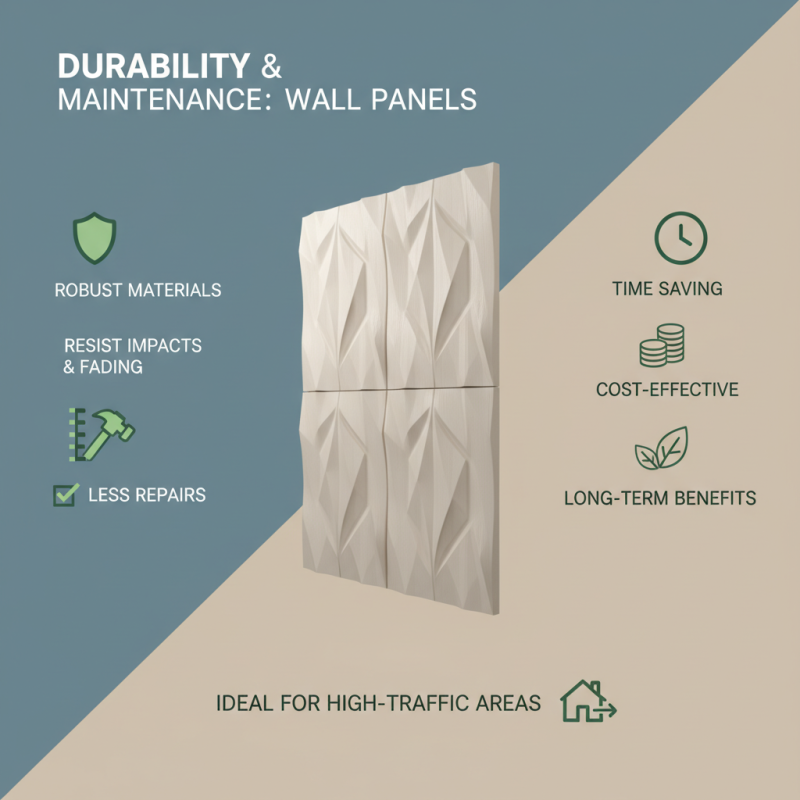
3D decorative wall panels offer significant advantages for home design, especially in terms of durability and maintenance. These panels are crafted from robust materials that withstand wear and tear, making them ideal for high-traffic areas. Unlike traditional wall coverings, they resist fading and can endure impacts without cracking. This sturdiness translates to fewer repairs and replacements over time, saving homeowners both time and money.
Maintaining these wall panels is relatively straightforward. A simple wipe with a damp cloth keeps them looking fresh and clean. Some materials are even resistant to mold and mildew, crucial in humid environments. However, it's essential to choose the right finish, as some textures may require more care than others. A reflective finish might show fingerprints more easily, necessitating more frequent cleaning. Homeowners should weigh these factors to find the best balance between aesthetics and practicality.