Explore Best 3D Decorative Wall Panels for Your Home Design?
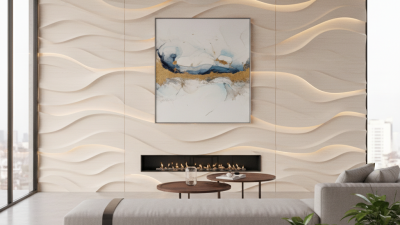
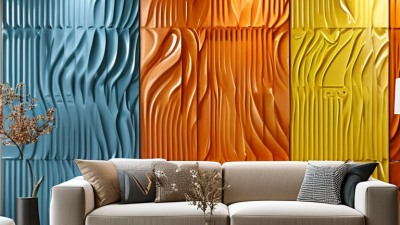
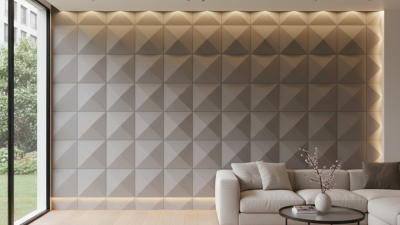
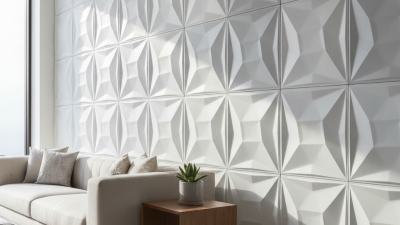
In recent years, the appeal of 3D Decorative Wall Panels has surged in home design. These innovative products offer textures and patterns that enhance any space. According to renowned interior design expert Sarah Johnson, "3D Decorative Wall Panels can transform ordinary walls into extraordinary focal points." This innovative approach allows homeowners to express their style while adding depth to their interiors.
By incorporating various materials such as wood, metal, or eco-friendly composites, these panels cater to diverse tastes. Some panels provide acoustic benefits, while others display stunning visual effects. In this evolving market, it’s essential to choose panels that not only look great but also fit your lifestyle.
Yet, many overlook the installation aspects or maintenance needs of 3D Decorative Wall Panels. It’s crucial to consider durability and cleaning requirements before making decisions. Reflection on these factors can help ensure satisfaction long after the design process is complete. With careful selection, 3D panels can truly enhance the ambiance of your home.
Understanding 3D Decorative Wall Panels: An Overview
3D decorative wall panels have gained popularity in recent years. They offer a unique way to enhance the aesthetic appeal of homes. These panels can transform a plain wall into a stunning focal point. According to a recent report from the Interior Design Association, the global market for decorative wall panels is expected to grow by over 15% in the next five years. This reveals a strong trend towards stylish and practical home improvements.
When selecting 3D wall panels, consider materials like PVC and wood. Each offers distinct textures and finishes. PVC panels are lightweight, water-resistant, and easier to install. Wood panels, while heavier, provide a warm and luxurious feel. The right choice depends on the overall style of your home.
**Tip**: Measure your wall space accurately before purchasing. This ensures you buy the correct amount of panels.
Additionally, installation can be tricky. Some panels may not adhere well to certain surfaces. It's crucial to follow the manufacturer's guidelines for best results. Sometimes, the wall might require extra preparation to ensure proper adherence.
**Tip**: Always perform a test fit with a few panels first. This helps identify any issues before full installation.
Types of 3D Decorative Wall Panels for Home Interiors
When it comes to enhancing your home interiors, 3D decorative wall panels are an excellent choice. They come in various types, each offering unique textures and visual appeal. For instance, foam panels are lightweight and easy to install. Their soft edges make them safe for homes with children. However, they may not withstand heavy wear and tear.
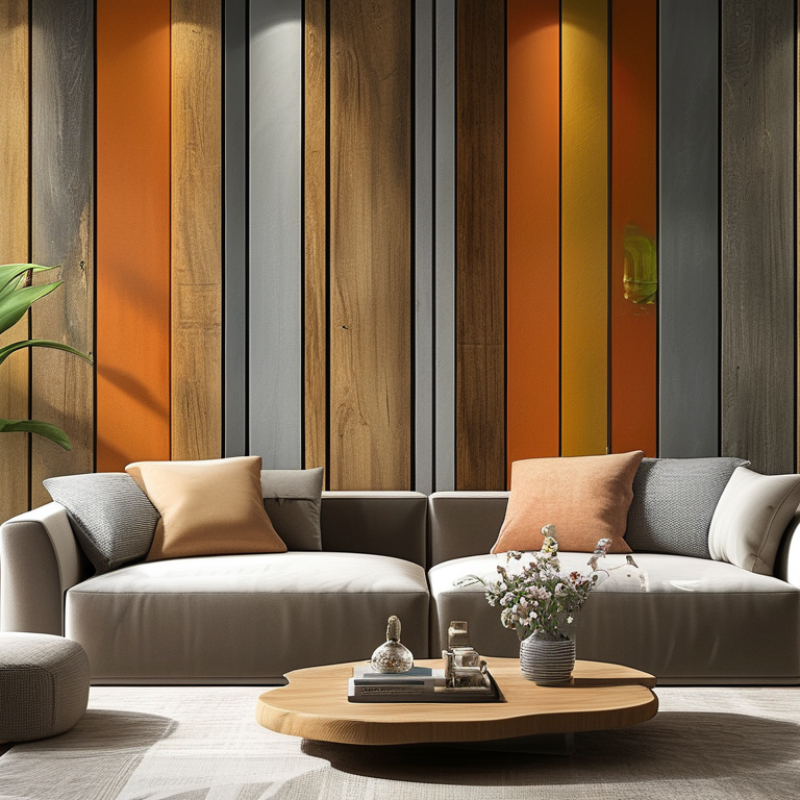
Another popular option is wood panels. These can add warmth to your space. Wood panels create an inviting atmosphere but often require maintenance to avoid warping. Additionally, metal panels bring a sleek, modern edge to interiors. They reflect light beautifully, creating a spacious feel, yet they may be cold and unwelcoming in certain designs.
Lastly, there are fabric panels. These offer sound absorption and a plush aesthetic. They can soften a room’s look but may require frequent cleaning. Each type of wall panel has its strengths and weaknesses, making it crucial to choose wisely based on your needs and style preferences. Balancing aesthetics and functionality can be tricky, but the right choice can transform your home.
Types of 3D Decorative Wall Panels for Home Interiors
Benefits of Installing 3D Wall Panels in Home Design
3D wall panels offer a transformative touch to home design. They create depth and texture that flat walls lack. These panels can be made from various materials, such as wood, plastic, or metal. Each choice brings unique visual effects. The patterns and designs available are stunning, catering to different aesthetic preferences.
Installing 3D wall panels goes beyond decoration. They can improve a room's acoustics, reducing echoes and enhancing sound quality. Additionally, these panels are often lightweight, making installation more manageable for DIY enthusiasts. Some panels provide insulation, offering energy savings. Homeowners enjoy both style and practicality.
While 3D wall panels add beauty, they can also create challenges. Cleaning textured surfaces may require extra effort. Color choices can feel overwhelming with so many options available. It's essential to consider your overall design scheme carefully. Choosing the wrong panel can disrupt your space's harmony. Thoughtful selection makes all the difference.
Choosing the Right Material for 3D Wall Panels
When considering 3D decorative wall panels, material selection plays a crucial role. Different materials offer unique benefits and aesthetics. For instance, wood panels bring warmth and a rustic look. They can age beautifully but may require maintenance to prevent warping. In contrast, metal panels provide a sleek, modern feel. They are durable and easy to clean, but also come with a heavier weight.
Another popular option is the use of PVC or vinyl panels. These materials can mimic natural textures while being lightweight and moisture-resistant. However, they may not have the same longevity as wood or metal. It’s important to weigh these factors against your design goals. Consider the overall ambiance you want to create in your space.
Choosing the right material also involves practical considerations. Think about the installation process and whether you'll need professional help. For some, DIY installation might seem appealing, leading to a sense of accomplishment. Yet, this can also lead to unexpected challenges. Always reflect on the long-term implications of your choice to ensure satisfaction with your design.
Installation Tips and Maintenance for 3D Decorative Panels
When installing 3D decorative wall panels, preparation is key. Start with a clean, dry surface. Ensure that the wall is smooth and free of any dust or debris. Use a level to mark where the panels will go. This prevents misalignment during installation. Gather your tools: a measuring tape, level, adhesive, and a utility knife. These are essential for a successful project.
Applying adhesive can be tricky. You want an even layer, but too much can create a messy look. Avoid hasty application; take your time. Press the panels firmly into place, ensuring they align well. As the adhesive sets, use clamps or weights to hold them securely. Regular checks will help maintain alignment.
Maintenance involves simple cleaning. Wipe panels with a damp cloth to remove dust. Avoid harsh chemicals that can damage the finish. Periodic inspections are beneficial. They can spot any wear or damage early. Remember, no installation is perfect. Small gaps may appear over time. Filling these gaps promptly will keep your panels looking great. Adjusting to these realities is part of the process.