Top 10 Best Soundproof Wall Panels for Ultimate Noise Reduction?
In modern urban living, noise pollution poses a significant challenge. According to the World Health Organization, at least one in three people in urban areas experience significant noise disturbances. This stresses the need for effective soundproofing solutions. Soundproof Wall Panels have emerged as a popular choice for residential and commercial spaces.
These panels come in various materials and designs, catering to both aesthetic and acoustic needs. Research indicates that high-quality panels can reduce noise levels by up to 90%, creating a serene environment. Homeowners are increasingly investing in soundproofing to enhance comfort. Yet, not all products deliver the promised results.
Choosing the right Soundproof Wall Panels involves understanding your space’s specific needs. Many consumers experience confusion over panel types and effectiveness. An informed choice can drastically improve one’s sound environment. However, it's essential to reflect on the installation process and maintenance. Some users report that improper installation diminishes soundproofing effectiveness. Therefore, careful consideration is necessary to achieve optimal noise reduction.
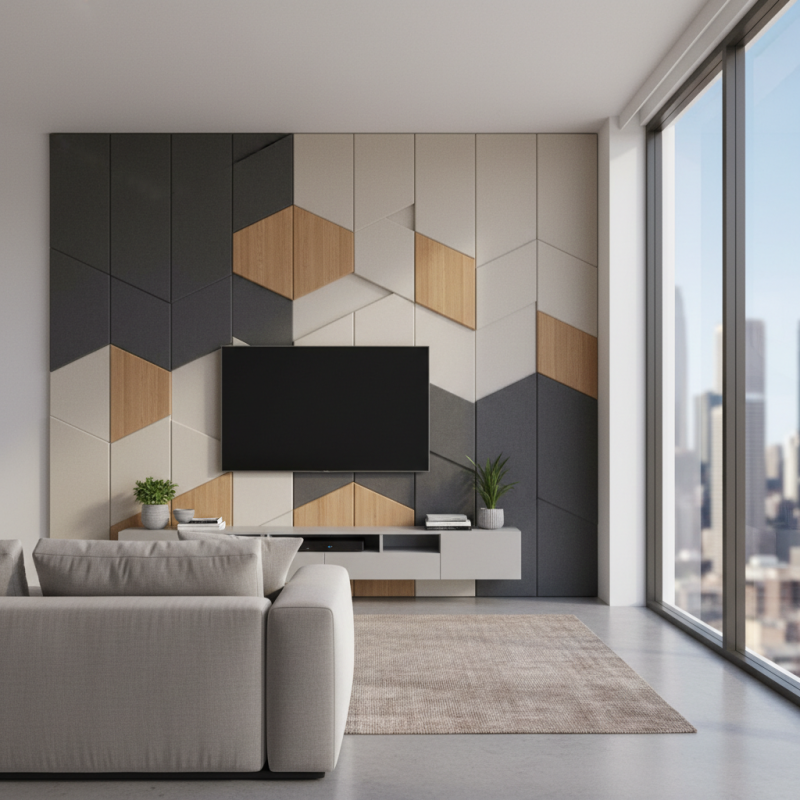
Understanding Soundproof Wall Panels and Their Benefits
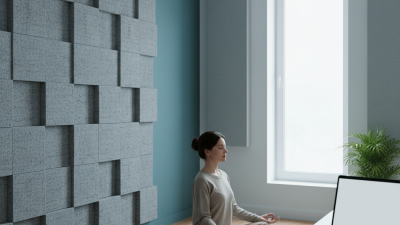
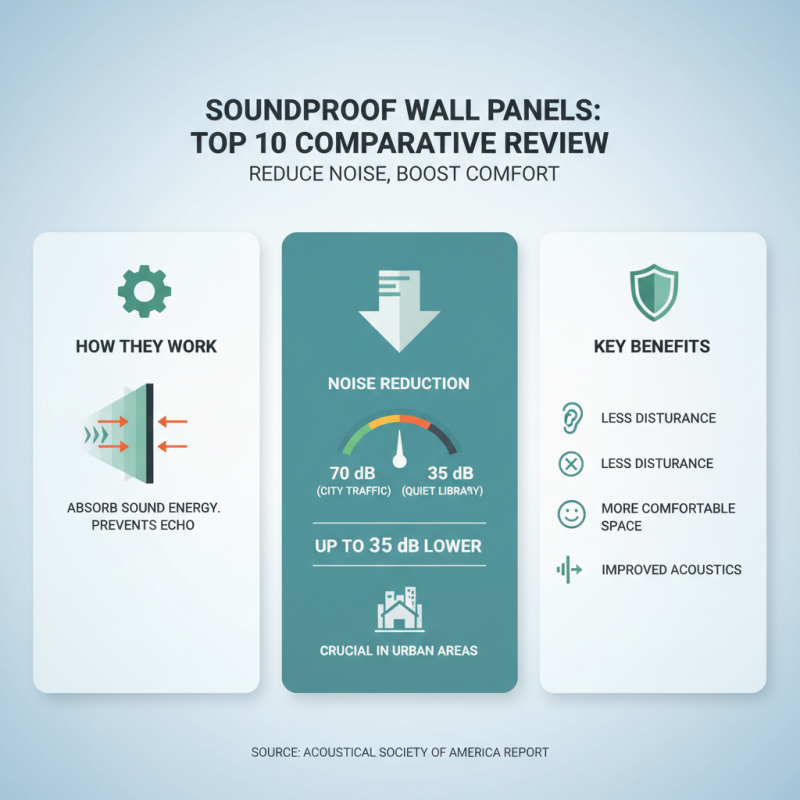
Soundproof wall panels offer a practical way to reduce noise in various environments. They absorb sound waves and diminish echoes, creating a quieter space. Homes, offices, and recording studios can greatly benefit from these panels. The materials used, often foam or fabric, have unique properties. They trap sound energy, preventing it from bouncing around a room.
While they can be effective, soundproof panels are not a complete solution. Sometimes, installation can be tricky. A poorly installed panel may not yield the desired results. Additionally, the aesthetics of these panels can be a concern for some. They might not fit perfectly with every decor style. It's important to consider the overall vibe of your space when choosing them.
Understanding the physics of sound can enhance your selection process. Different panels serve various sound issues, such as bass control or mid and high-frequency absorption. This knowledge can guide you to make a more informed choice. Exploring options before settling on a panel can save time and frustration in the long run. Be prepared to experiment with combinations to achieve the best outcome.
Types of Materials Used in Soundproof Wall Panels
When considering soundproof wall panels, the material used plays a crucial role. Various types of materials offer different levels of noise reduction. Foam is commonly used due to its lightweight nature. Acoustic foam panels absorb sound waves effectively, reducing echo in a room. These panels are ideal for home studios or gaming spaces. However, they may not block loud external noises well.
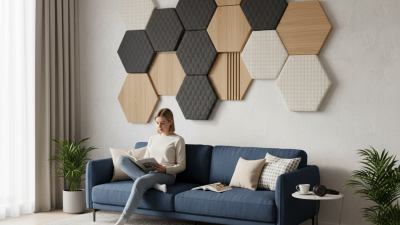
Another effective material is fiberglass. Fiberglass panels are denser than foam, providing better sound isolation. They effectively dampen noise from both inside and outside. These panels can be more expensive than foam but often yield significant improvements in sound quality. Wood can also be an interesting choice. Wooden panels add aesthetic appeal while offering some sound absorption. However, they might not be as effective in blocking noise as foam or fiberglass.
Mass-loaded vinyl is another option worth exploring. This heavy, flexible material adds significant mass to walls, effectively blocking airborne sound. It can be applied behind drywall for enhanced soundproofing. Each material has its pros and cons. Testing different options may be necessary to find the right fit for your needs. Not all spaces will respond the same way to each type of panel.
Top 10 Best Soundproof Wall Panels for Ultimate Noise Reduction
| Panel Type |
Material |
Thickness |
Noise Reduction Rating (NRC) |
Dimensions (inches) |
| Acoustic Foam Panels |
Polyurethane Foam |
2 inches |
0.90 |
24 x 24 |
| PUR-Black Acoustic Panels |
Polyester Fiber |
1 inch |
0.85 |
48 x 24 |
| Wood Wool Acoustic Panels |
Cement-bonded Wood Wool |
2 inches |
0.75 |
32 x 16 |
| Fabric Wrapped Panels |
Fiberglass Core |
1.5 inches |
0.95 |
48 x 24 |
| Mass Loaded Vinyl Panels |
Vinyl Compound |
0.5 inches |
0.70 |
48 x 12 |
| Gypsum Acoustic Panels |
Gypsum Board |
5/8 inch |
0.80 |
48 x 96 |
| Polystyrene Panels |
Expanded Polystyrene |
1 inch |
0.60 |
24 x 48 |
| Hemp Acoustic Panels |
Hemp Fiber |
2 inches |
0.92 |
48 x 24 |
| Ceiling Tiles |
Acoustic Mineral Fiber |
1 inch |
0.75 |
24 x 24 |
| Soundproof Drywall |
Specialized Gypsum |
1/2 inch |
0.65 |
48 x 96 |
Top Features to Consider When Choosing Soundproof Wall Panels
When choosing soundproof wall panels, several features are crucial for effective noise reduction.
Material density is a key factor.
High-density materials absorb sound better than lightweight ones. Look for panels made from foam, fiberglass, or mineral wool.
These materials are effective in absorbing sound waves and reducing echoes.
Another important aspect is the panel's thickness.
Thicker panels typically provide better soundproofing. A 2-inch panel can significantly outperform a 1-inch panel.
Additionally, consider the installation method.
Some panels require adhesives, while others have easy peel-and-stick applications.
The ease of installation can influence your choice.
Design and aesthetics also matter.
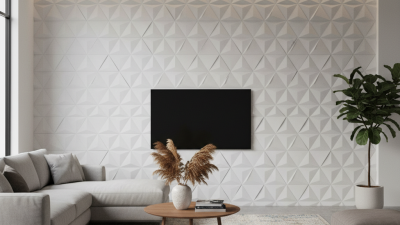
You want panels that fit well with your room's vibe. Some panels come in various colors and textures.
This variety allows you to soundproof without compromising style.
Noise reduction ratings (NRR) are essential metrics to check.
Higher NRR values indicate better soundproofing.
While you focus on these features, be aware of your budget.
Some panels are pricey, but investing in quality usually pays off.
Balancing cost with effectiveness can be a challenge. Choose wisely.
Comparative Review of the Top 10 Soundproof Wall Panels
Soundproof wall panels significantly reduce noise, making spaces more comfortable. They absorb sound energy, preventing it from bouncing around. According to a report by the Acoustical Society of America, effective soundproofing can lower decibel levels by up to 35 dB in residential areas. This is crucial in urban settings, where outside noise can be overwhelming.
To choose the right panels, consider materials like foam or mass-loaded vinyl. Both offer good sound absorption properties. However, some foam products may not withstand moisture well. Thus, it's essential to select materials based on the room's environment, especially in humid areas.
Tip: When installing soundproof panels, ensure they cover surfaces where sound reflects most, such as walls and ceilings. Even the best materials require proper placement. Additionally, monitor the performance of your soundproofing. If noise persists, reconsider your choices or consult a professional. Remember, not all panels are equal, and understanding your specific needs is key.
Installation Tips for Optimal Soundproofing Effectiveness
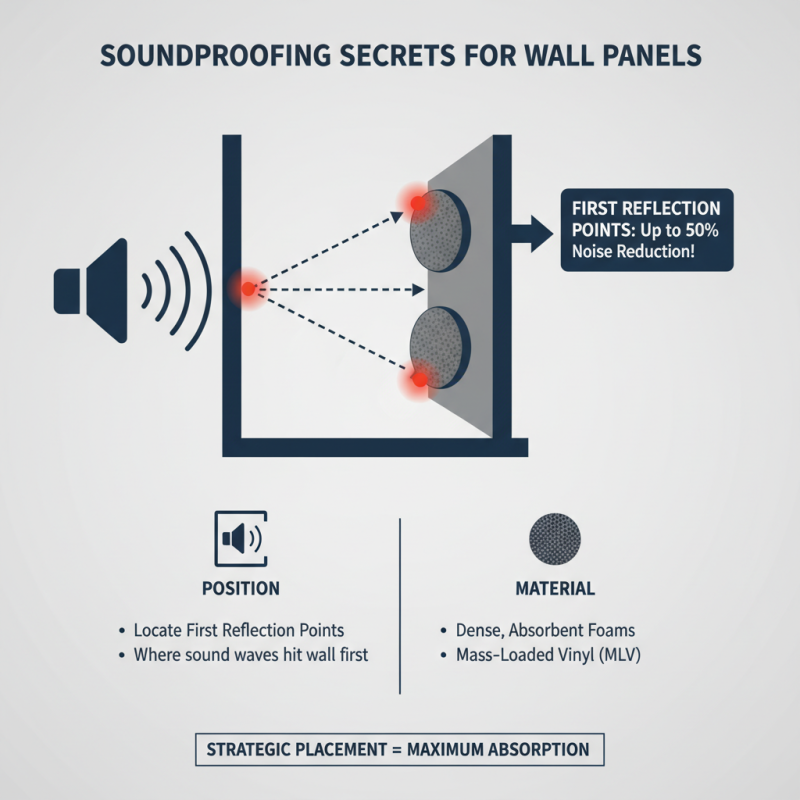
When installing soundproof wall panels, the position and material matter significantly. A study indicates that placing panels at first reflection points can reduce noise by up to 50%. These are typically located where sound waves first bounce off walls. This strategic placement maximizes the effectiveness of sound absorption.
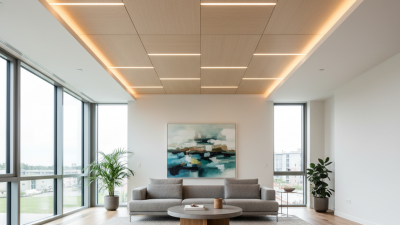
Using dense materials such as fiberglass or mineral wool enhances soundproofing results. According to the Acoustic Society of America, thicker panels provide better sound absorption. Aim for at least two inches of thickness for optimal noise reduction. Consider the mounting process as well. Securely fastening panels ensures they function correctly, preventing gaps that may let sound leak through.
Take time to space panels evenly. Uneven spacing can create resonant frequencies that sometimes amplify noise rather than reduce it. Installing panels in a staggered pattern can help combat this issue. Finally, remember that while soundproofing wall panels can significantly reduce noise, achieving complete sound isolation is often unrealistic. Adjusting expectations can lead to more effective solutions and better satisfaction.