2026 How to Choose Laminate Wall Panels for Your Home Decor?
Choosing the right laminate wall panels for your home decor can be a daunting task. As interior design expert Sarah Thompson emphasizes, "The beauty of laminate wall panels lies in their versatility." With so many styles, colors, and textures available, finding the perfect fit requires careful consideration.
Laminate wall panels offer a cost-effective way to elevate your spaces. Their easy installation process makes them appealing for DIY enthusiasts. However, not all laminate options are equal. Quality can vary, and it’s crucial to verify the product specifications. While opting for budget-friendly choices is tempting, it’s important to balance cost with durability and aesthetic appeal.
As you select the ideal laminate wall panels, think about your overall design theme. Do you want a modern, sleek look or something with rustic charm? The wrong choice can lead to regret down the line. Remember, personal touch is what makes a home truly yours. Selecting laminate panels should reflect your personality and style, ensuring your space feels authentic and welcoming.
Understanding Laminate Wall Panels: Types and Benefits
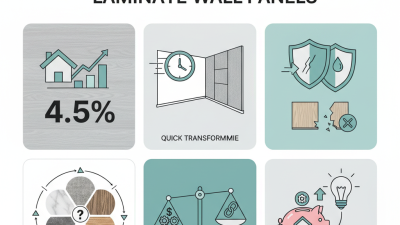
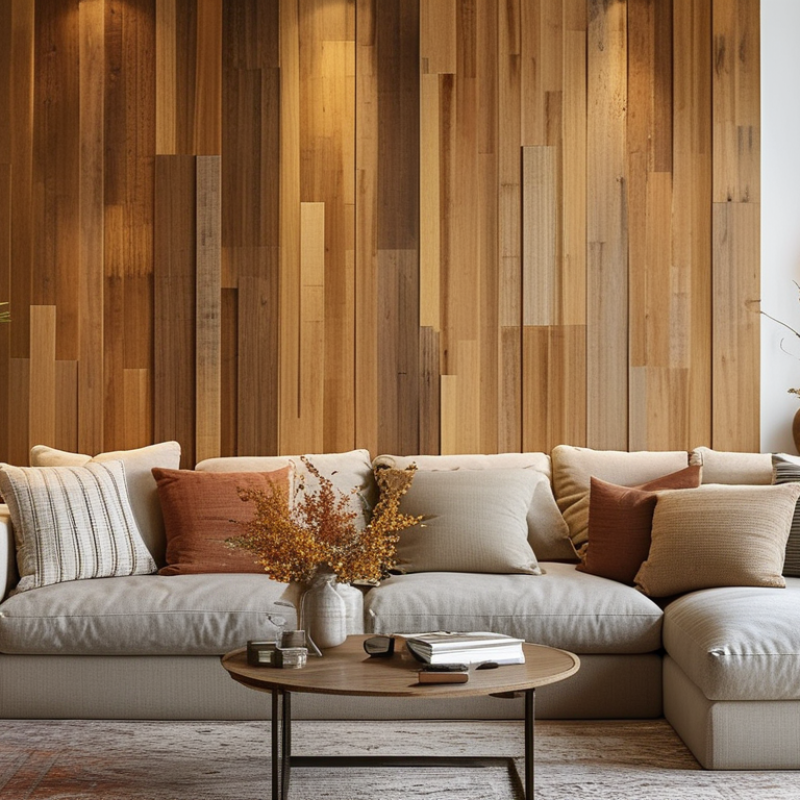
Laminate wall panels have gained popularity for their versatility and affordability. Available in various designs and textures, they can mimic wood, stone, or even metal. According to a report by The Freedonia Group, the laminate wall panel market is projected to reach $9 billion by 2026, showcasing their growing significance in interior decor.
These panels offer several benefits. They are lightweight, making installation easier. Laminate panels are also resistant to moisture, which is crucial for humid areas. Their easy maintenance is a plus; a simple wipe can remove dirt and stains. Additionally, many laminate panels use eco-friendly materials, aligning with sustainable design practices.
Tip: When selecting laminate wall panels, consider your room’s color palette. Light colors can make spaces feel larger, while dark tones add warmth.
Some consumers may find the look of laminate less authentic compared to real materials. It’s essential to balance aesthetics with practicality. Choose a texture that complements your home decor but be mindful of trends that may quickly become outdated.
Tip: Don’t forget to analyze durability ratings. Panels with higher wear resistance ratings may cost more but last significantly longer, saving you money in the long run.
Evaluating Aesthetic Options: Colors, Patterns, and Textures
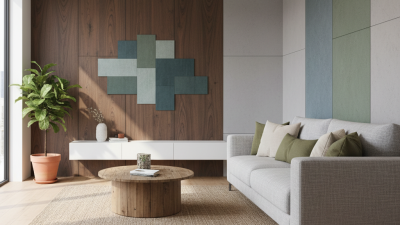
When selecting laminate wall panels for home decor, colors, patterns, and textures play a crucial role. According to a recent industry report, 51% of homeowners prioritize aesthetics when renovating their spaces. This highlights the importance of evaluating how different visual elements can transform a room. Warm tones, such as beige or soft gray, can create a cozy atmosphere, while bold colors like navy or emerald green can energize a space.
Textures also greatly influence the perception of a room. Smooth finishes lend a modern feel, while embossed or textured surfaces add warmth and depth. A study found that 68% of designers believe that incorporating varied textures can significantly enhance a space's character. However, it’s essential to consider the potential for overwhelming visual noise. Too much variation can create a disjointed look. Balancing bold patterns with simpler options can lead to a harmonious environment.
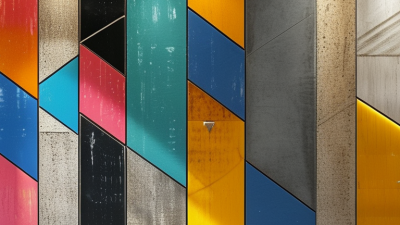
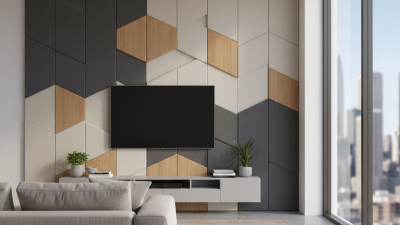
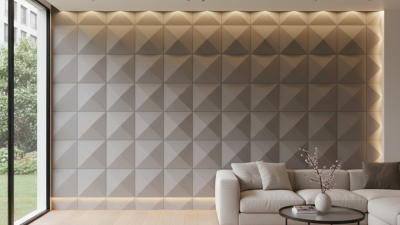
Patterns offer another layer of complexity. Geometric designs may appeal to contemporary tastes, while floral patterns resonate with those seeking a classic touch. A survey indicated that 34% of homeowners are hesitant to choose patterned panels due to fears of them going out of style. This uncertainty can hinder creativity. Therefore, understanding personal style and room function becomes key when making design choices.
Assessing Durability: Material Quality and Maintenance Requirements
When choosing laminate wall panels, durability is essential. The material's quality directly impacts how long the panels last. Look for high-density fiberboard or plywood as a core material. These options provide strength and stability. Thin materials can warp or crack over time.
Maintenance requirements also matter. Laminate panels are often easy to clean. A simple wipe with a damp cloth is usually enough. However, avoid abrasive cleaners that can scratch the surface. Instead, use mild soap for tougher stains. Regular maintenance helps maintain their appearance and functionality.
**Tips:** Choose panels with a high wear rating. This indicates better durability. Consider panels that resist moisture for bathrooms or kitchens. Don't overlook UV resistance if your panels are exposed to sunlight. Make decisions based on how much wear your walls will experience. Reflect on your room’s purpose to select the best panels.
2026 Laminate Wall Panels Durability Assessment
Selecting the Right Size and Thickness for Your Space
When selecting laminate wall panels for home decor, size and thickness play crucial roles. The right dimensions enhance aesthetics and functionality. According to a recent industry report, the average thickness of laminate wall panels ranges from 0.5 to 1 inch. Panels that are too thick can overwhelm smaller spaces, while very thin options may lack durability.
Consider the size of your walls. For expansive areas, larger panels create a seamless look. Smaller rooms benefit from medium-sized panels, providing a balance between visual appeal and practicality. An American design survey indicated that 70% of homeowners prefer medium-sized panels, as they complement a variety of spaces. While large panels can create impressive focal points, they might not fit well in every corner of a room.
Thickness also impacts insulation and soundproofing. Thicker panels typically offer better durability but may increase installation complexity. A report from the Construction Industry Institute suggests that many homeowners overlook the installation process, which can lead to costly mistakes. Reflecting on these aspects ensures that you choose laminate wall panels that are not just visually appealing but also suitable for your everyday needs.
Installation Methods: DIY vs. Professional Help
When considering laminate wall panels, the installation method significantly affects the outcome. DIY installation can be appealing for those who love hands-on projects. It often saves money and allows you to personalize the process. However, it requires some skill and tools. Adequate preparation is crucial, and a misstep can lead to an unsatisfactory finish.
Conversely, hiring professionals can streamline the project. Workers can handle unexpected issues that may arise during installation. Their expertise ensures a perfect fit, reducing the chances of damage or waste. Relying on professionals might add to your budget but can provide peace of mind. The choice ultimately depends on your skill level and your desire for a flawless result. Reflect on what matters most to you in this project.