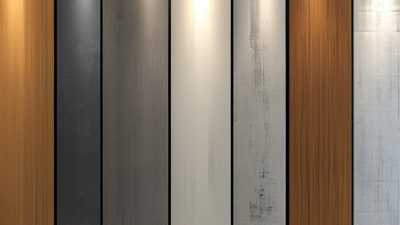
Choosing 3d Foam Wall Panels for a business is not simply a color decision. The right panel must suit the room, the people using it, and the cleaning routine your staff can realistically maintain. A textured feature wall may soften a reception area, while a busy corridor needs durable edges and straightforward replacement. Small details matter: adhesive compatibility, panel thickness, surface finish, and how seams look under bright lighting.
Check the evidence before comparing products. ASTM International publishes test methods and standards relevant to building materials, but a test result applies only to the product and conditions specified. Ask suppliers for current technical data, fire-performance documentation where applicable, cleaning instructions, and installation guidance. Do not assume that a decorative foam panel provides sound insulation or meets a particular safety requirement without documentation. That distinction is easy to overlook.
One limitation deserves attention: publicly available industry reports do not always isolate 3d Foam Wall Panels as a distinct market category. Broad wall-covering or interior-finish statistics may not describe foam panels accurately. Likewise, without a verifiable source, attaching a quotation to a named panel expert would be misleading. Use this guide to assess documented performance, total installed cost, and suitability for your space—not just polished product photos. A sample can help. Check it in the actual room, under its real lighting, before making a larger commitment.
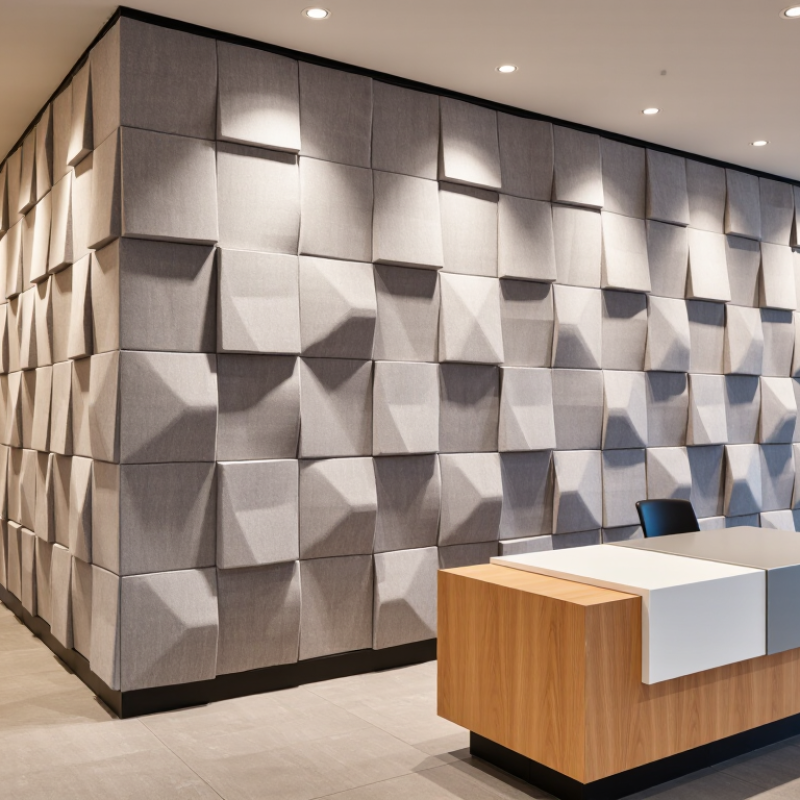
Before choosing 3D foam wall panels, define what the space needs to do. A busy reception area may benefit from softer acoustics, while a retail display wall may prioritize appearance and easy cleaning. The U.S. Environmental Protection Agency reports that people spend about 90% of their time indoors, making indoor comfort a practical consideration, not just a design detail. Foam panels can reduce some reflected sound, but they are not a fix for every noise problem. Hard floors, glass partitions, and ceiling height also affect how a room sounds. Walk through the space during its busiest hours. Listen carefully.
Check the installation environment before ordering. Measure each wall, note outlets and sprinklers, and look for damp patches, peeling paint, or dusty surfaces. Foam should not conceal moisture problems; panels may loosen, and the underlying issue can worsen. The EPA’s indoor air quality guidance emphasizes controlling pollutant sources and maintaining ventilation, so consider panel material, odor, and cleaning needs alongside appearance. Ask suppliers for documented fire-performance and emissions information relevant to your project, then confirm requirements with a qualified installer. A detail that seems minor—such as a sunlit wall or frequent trolley contact—can change which finish is suitable. I’ve seen plans look convincing on paper, then fail at the corners. Measure twice.

How to Choose 3D Foam Wall Panels for Your Business?
Compare Foam Types, Panel Dimensions, and Surface Designs
Start with the room’s job. Open-cell polyurethane foam is often chosen for speech areas, while melamine foam can suit spaces where fire-performance documentation matters. Check the product’s test documents, not just its appearance. ASTM C423 reports measure sound absorption and provide a Noise Reduction Coefficient (NRC); compare tested results at relevant frequencies. NIOSH recommends limiting occupational noise exposure to 85 dBA over an eight-hour day, but wall panels alone cannot ensure safe exposure. A noisy workshop needs a broader noise-control plan.
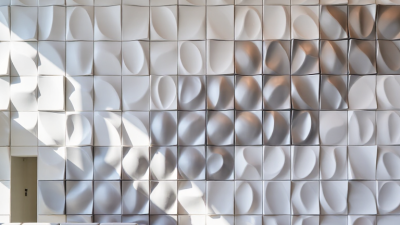
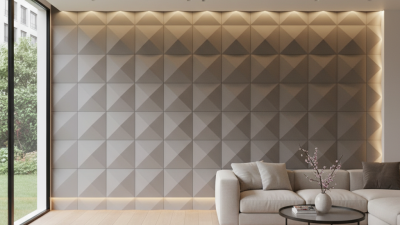
Dimensions change both coverage and visual rhythm. Measure the usable wall, then test a small layout around doors, shelving, and outlets. Larger panels mean fewer seams; smaller modules can fit awkward corners. There is no magic size. Surface shapes—wedges, pyramids, or waves—affect the look and may influence absorption, but deeper relief is not automatically better. Ask suppliers for thickness, density, fire-test details, and full acoustic test reports for the exact panel configuration. A sample under real lighting helps reveal shadows and color shifts. I have seen tidy renderings look oddly busy on a full wall; that is worth admitting. Choose a finish that suits cleaning needs, since textured foam can collect dust and may be difficult to wipe.
| Foam Type | Common Panel Dimensions | Typical Thickness | Available Surface Designs | Practical Strengths | Points to Check | Suitable Business Uses |
|---|---|---|---|---|---|---|
| Polyethylene (PE) Foam | Common formats include 30 × 30 cm, 50 × 50 cm, and 70 × 70 cm; confirm the supplier’s actual sizes. | About 5–20 mm, depending on the product and relief depth. | Brick, stone, tile, geometric blocks, and simple textured patterns. | Lightweight and generally resistant to moisture. Closed-cell PE is less absorbent than open-cell foam and is easy to wipe when its surface is sealed. | Check the facing and adhesive compatibility. PE foam is not automatically fire-resistant or sound-absorbing; request test documentation for the complete panel assembly. | Retail feature walls, temporary displays, event spaces, and low-moisture interior areas. |
| Ethylene-Vinyl Acetate (EVA) Foam | Common tile formats include 30 × 30 cm and 50 × 50 cm; larger custom panels may also be available. | About 5–20 mm for decorative wall applications. | Brick, geometric relief, padded-looking patterns, and custom embossed textures. | Flexible and resilient, with a soft feel and a good ability to hold molded patterns. Individual tiles can be convenient for small areas. | Surface finish, edge alignment, color consistency, and adhesive performance can differ by product. Ask whether the panel is intended for walls rather than floors or play mats. | Children’s activity areas, boutique interiors, display zones, and accent walls where a softer finish is desired. |
| Cross-Linked Polyethylene (XPE/IXPE) Foam | Often supplied in tile or sheet formats; examples include 50 × 50 cm tiles and larger cut-to-size sheets. | About 5–15 mm for many decorative products; thicker options depend on the construction. | Brick, stone, wood-look embossing, and repeating geometric designs. | Lightweight, closed-cell construction can provide a smooth, consistent base for a decorative surface layer. It is commonly selected where low water absorption is useful. | Confirm whether the visible finish is printed, laminated, or embossed, and check its resistance to cleaning and wear. Fire performance must be verified for the exact product. | Commercial interiors, reception areas, pop-up shops, and spaces needing lightweight decorative coverage. |
| Polyurethane (PU) Foam | Acoustic products are commonly sold as tiles or sheets, often around 30 × 30 cm or 50 × 50 cm; decorative formats vary. | About 20–50 mm for many acoustic foam products; thin decorative PU products may differ. | Wedge, pyramid, egg-crate, and other sculpted acoustic surfaces; decorative skins may offer additional patterns. | Open-cell PU acoustic foam can help reduce sound reflections in a room when correctly selected and installed. The surface texture can add visual depth. | Acoustic foam is not the same as a soundproofing barrier and does not necessarily block sound transmission. Check fire classification, dusting, cleanability, and suitability for the intended occupancy. | Recording rooms, media spaces, meeting rooms, and controlled interior areas where sound reflection is a concern. |
Selection note: Panel sizes, thicknesses, finishes, and performance vary by product. Measure the wall, allow for trimming and pattern alignment, and request current technical data and fire-test documentation for the exact panel and installation method before specifying it for a commercial space.
How to Choose 3D Foam Wall Panels for Your Business?
Evaluate Durability, Maintenance, and Safety Requirements
Commercial wall panels face daily bumps from chairs, carts, bags, and cleaning tools. Check the product’s impact resistance, edge strength, and performance under your site’s humidity and temperature conditions. Ask for test reports, not just a durability claim. For fire performance, review ASTM E84 results and confirm that the tested assembly matches your planned panel, adhesive, and substrate. A rating for one installation may not apply to another. Follow local building and fire-safety requirements.
Maintenance matters, too. Deep relief can collect dust, while harsh cleaners may damage coatings or joints. Request written cleaning instructions and test them on a small, hidden area. The U.S. EPA’s “The Inside Story” reports that concentrations of some indoor pollutants are often two to five times higher indoors than outdoors. That makes low-emitting materials and suitable installation adhesives worth checking, especially in enclosed rooms. It is easy to overlook adhesive choice.
Tips: Keep a sample panel on site. Try your usual cleaner, inspect the seams, and check for dents after routine contact. Ask suppliers for current fire-test and emissions documentation. Don’t assume a decorative foam panel is suitable for every room; reassess the choice where occupants, cleaning routines, or exposure risks differ.
Choosing 3D foam wall panels starts with the existing wall, not the pattern. Concrete, painted gypsum, brick, and metal each need different preparation. I have seen panels lift when dust stayed on the surface. A smooth wall still needs cleaning and a small adhesion test. Check moisture, cracks, flatness, and old paint before ordering.
Adhesive installation suits clean, stable walls and creates a seamless appearance. Mechanical clips or battens work better on uneven masonry and allow easier replacement. Leave small expansion gaps near corners, ceilings, and service openings. Do not cover electrical boxes, sprinklers, or ventilation access.
The International Energy Agency’s 2023 Global Status Report says buildings use about 30% of global final energy and create about 26% of energy-related emissions. Lightweight panels may reduce material use, but fire ratings, VOC limits, and local building requirements still matter more than appearance.
Tips: Request the panel’s test documents before installation. Check reaction-to-fire classification, adhesive compatibility, and cleaning resistance. Use a sample panel on the real wall for 48 hours. Mark studs and hidden cables first.
My own preference is a removable fixing system in busy commercial areas. It costs more initially. Yet permanent adhesive can turn one damaged panel into a larger repair. Even careful planning can miss humidity changes, so review the site after installation.
Choosing 3D foam wall panels for a business takes more than comparing the price per square metre. Include delivery, installation, cutting waste, and any replacement panels in your estimate. A lower quote may exclude corner pieces or suitable adhesive. Ask suppliers to provide an itemized cost sheet, then compare the same panel thickness, finish, and quantity. Keep a small allowance for uneven walls; real rooms rarely match the neat measurements on a plan.
Tips: Request samples and check them under your actual lighting. Ask how quickly the supplier can provide matching panels later, and whether support covers installation questions or only order issues. Get warranty terms in writing. Check what they cover, how long coverage lasts, and whether moisture, cleaning products, or installation methods affect eligibility.
A long warranty is useful only when its conditions are clear. Confirm the process for reporting defects and who pays return shipping. Save the quote, product specifications, and installation guidance together. One detail can still be easy to miss: a sample may look consistent while a full batch varies slightly in texture or color. Ask about batch consistency before ordering, especially when panels will cover a large, visible wall.
Compare estimated material, shipping, and installation costs per 100 sq. ft. Use supplier support and written warranty terms alongside price when evaluating quotes.
Illustrative planning estimates in USD, not market quotes. Actual costs vary by panel specification, order quantity, freight, site conditions, and installation requirements. Request itemized quotes and confirm warranty coverage and support terms in writing.