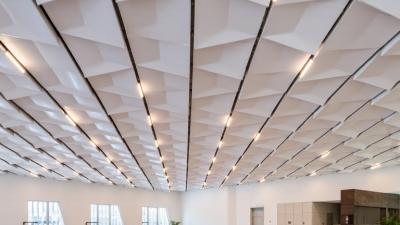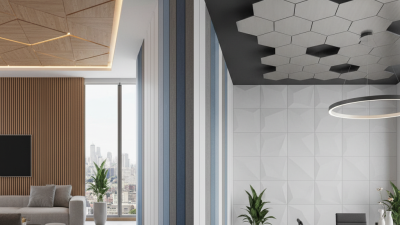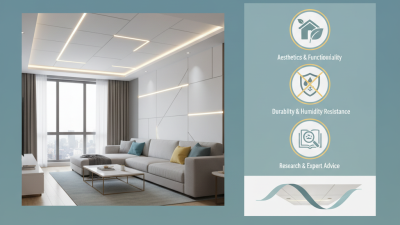
Ceiling Wall Panels are no longer chosen for appearance alone. Buyers compare moisture resistance, acoustic performance, fire-test documentation, installation speed, and replacement costs. Grand View Research estimated the global ceiling tiles market at approximately US$7.4 billion in 2023, with continued growth projected through 2030. That figure covers ceiling tiles, not every wall-and-ceiling panel category. It still signals sustained investment in interior finishing and building renovation. The distinction matters.
China’s supplier base spans decorative PVC panels, mineral-fiber boards, metal systems, and wood-based products. A polished sample tells only part of the story. Buyers also need consistent production, clear technical specifications, credible test reports, and packaging that protects panels during shipment. Small details count. A chipped corner can delay an installation and complicate a project handover.
This guide examines leading Chinese suppliers through practical checks: product range, manufacturing capability, customization, quality controls, export experience, and responsiveness. It does not treat a large catalog or a low quotation as proof of reliability. Supplier claims should be checked against current certificates, sample performance, and project requirements. Even a useful shortlist has limits; factories change, and published information can lag behind actual production. That is worth remembering before placing an order.
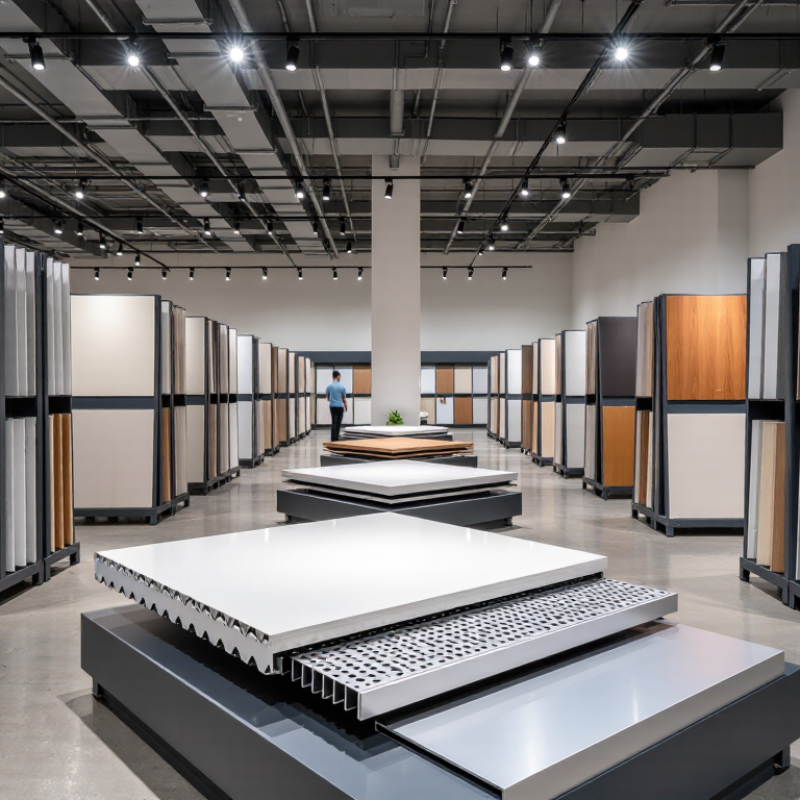
China’s ceiling and wall panel suppliers form a broad, material-led landscape rather than one uniform market.
Buyers typically compare gypsum, mineral-fiber, metal, wood-based, and decorative PVC panels. Each suits different needs: acoustic control, moisture exposure, fire performance, finish, and installation speed. A sample should be checked under real lighting. Small finish differences matter.
Scale helps explain the range of available manufacturers. China’s National Bureau of Statistics reported construction output of RMB 31.6 trillion in 2023, up 5.8% year on year. This figure describes the wider construction sector, not panel sales. It signals a large project base, but does not prove that every supplier has equal production capacity or quality control. Ask for current test reports, product tolerances, packaging details, and references for comparable projects.
Performance expectations are also shifting. The Global Alliance for Buildings and Construction’s 2024/25 Global Status Report estimates that buildings and construction account for about 32% of global energy use and 34% of energy-related CO₂ emissions. These global figures are not China-specific, but they make material efficiency and durability relevant sourcing questions. A low unit price can hide installation waste or inconsistent batches. Not every quote shows that. Check panel thickness, edge details, and finish samples against the written specification before comparing offers.
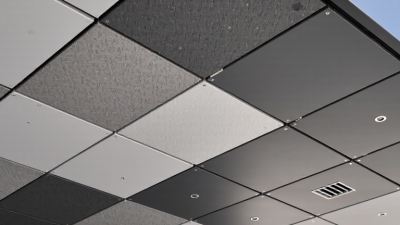
Chinese suppliers offer ceiling and wall panels in several distinct material families. Gypsum boards are common for smooth interiors and can be cut around lights or access points. Mineral-fiber panels often have textured faces and are selected for sound absorption. PVC panels resist routine moisture and wipe clean easily. Lightweight, but not ideal for every room.
Metal options, especially aluminum panels, suit corridors, kitchens, and commercial interiors where regular cleaning matters. They may be flat, linear, or perforated, with backing materials used to manage sound. Wood-based panels bring warmer grain patterns, while calcium-silicate boards are considered for areas needing greater dimensional stability. Actual performance depends on thickness, coating, core, and installation—not just the surface finish.
For a real project, compare panel dimensions, edge details, weight, and compatible suspension systems. Ask suppliers for test reports covering relevant acoustic, moisture, and fire-performance properties, then check that documents match the exact product configuration. A printed sample can hide color shifts under warm lighting. Still, catalogs often make differences look smaller than they are. One overlooked detail, such as an exposed cut edge, can change the finished appearance.
The chart compares representative thickness ranges commonly offered for these panel types. Specifications vary by product and supplier; the ranges are not market-share figures or a supplier ranking.
China’s ceiling and wall-panel suppliers often fall into three practical groups. Integrated manufacturers offer coordinated ceiling grids, wall cladding, and accessories, helping projects match finishes across rooms. Metal-panel specialists focus on formed aluminum or steel, where edge quality and coating consistency are easy to inspect. Engineered-board suppliers provide mineral, gypsum, or fiber-based panels, often with acoustic or moisture-related options. These are supplier profiles, not a ranking; capabilities vary by factory.
A supplier’s showroom is only a starting point. Ask for current product data, installation details, and samples from the same production run. Check panel thickness, coating, edge alignment, and how joints look under side lighting. Small differences show. For project teams, a trial installation can reveal whether trims, suspension systems, and panels actually fit together. Some catalogs make this look simpler than it is.
Material choice also has a wider performance context. The UN Environment Programme and Global Alliance for Buildings and Construction reported that buildings and construction generated 37% of global energy- and process-related CO₂ emissions in 2022. This does not rate individual panels, but it supports asking suppliers for verifiable material and environmental documentation. Claims need checking. A careful supplier should explain test methods, product limits, and maintenance needs plainly, not just promise a perfect finish.
Top ceiling wall panel suppliers in China differ less by catalog size than by process control. Ask how they monitor panel thickness, core density, edge alignment, and surface finish. Request samples from current production, not only a polished showroom display. Small differences matter. A panel that looks flat indoors may show waviness under angled light. Ask for written tolerances and inspection records.
Manufacturing is only part of the comparison. Strong service teams clarify drawings, confirm dimensions, and flag installation risks before production. They should explain packaging, lead times, and how they handle damaged or mismatched pieces. Review their answers carefully. A quick reply is useful, but a precise reply is better.
One limitation: even good factory checks cannot guarantee perfectly even joints on an uneven ceiling.
Tips: Compare the same panel specification across suppliers. Check sample edges, coating consistency, and packaging protection. Ask who handles technical questions after delivery, and request a clear response timeline. Don’t judge by price alone. A cheap panel can cost more when sizes vary.
Selecting a Chinese ceiling wall panel supplier starts with the project’s real conditions. Is the panel for a humid bathroom, a busy corridor, or a dry office? Ask for material specifications, thickness, dimensional tolerances, and installation guidance. Details matter. Request current test reports for relevant performance claims, such as moisture resistance or fire classification, and check that the documents match the exact panel model.
A sample can reveal surface texture, edge finish, and color consistency, but it cannot prove batch quality. Ask how production lots are inspected and what happens when panels arrive chipped or warped. If possible, compare samples from more than one production batch. Ask for proof. A polished catalog is useful, yet it may not show how a supplier handles delays or technical questions. Notice how clearly the sales team explains limitations, not just advantages.
Compare quotations line by line. Confirm minimum order quantities, production lead times, protective packaging, payment terms, and the documents provided for shipment. Request recent project references, then check whether the panel type and order scale are similar to yours. A video call from the production floor can add context, though it is not a factory audit. No checklist is perfect: a carefully chosen sample may still differ from bulk production. Keep written specifications and agreed tolerances attached to the purchase order, and clarify who handles replacement materials if quality issues appear.