Why Choose 3D Ceiling Panels for Modern Interiors?
Modern interiors increasingly demand more than flat, functional surfaces. They need visual depth, acoustic comfort, and responsible material choices. That is why 3d Ceiling Panels are gaining attention in residential, hospitality, retail, and workplace design. Their raised geometry can create soft shadows, rhythm, and a memorable ceiling line without consuming valuable floor space.
The World Green Building Council reports that buildings contribute approximately 39% of global energy-related carbon emissions. This figure strengthens the case for thoughtful interior specifications, including lightweight and durable ceiling systems. The U.S. Environmental Protection Agency also notes that people spend about 90% of their time indoors. A ceiling therefore influences more than appearance. It can affect perceived comfort, sound reflection, maintenance, and indoor atmosphere. Acoustic performance still requires evidence. Designers should review Noise Reduction Coefficient ratings, fire classifications, moisture resistance, and installation testing before approval.
Beauty is not enough.
In practice, 3d Ceiling Panels can conceal minor services, define zones, and make a low ceiling feel more intentional. Yet the product is not magic. Deep patterns may collect dust, complicate lighting layouts, or appear overwhelming in small rooms. Responsible selection means comparing supplier test reports, recycled content claims, warranty terms, and cleaning instructions. LEED and WELL guidance can support this evaluation, but certification depends on the entire project. The most convincing design is not always the most complex one. Sometimes, a restrained geometric panel performs better than an impressive sculptural surface. This article examines why these panels suit modern interiors, where they work best, and which technical details deserve closer reflection.
What Are 3D Ceiling Panels and How Do They Work?
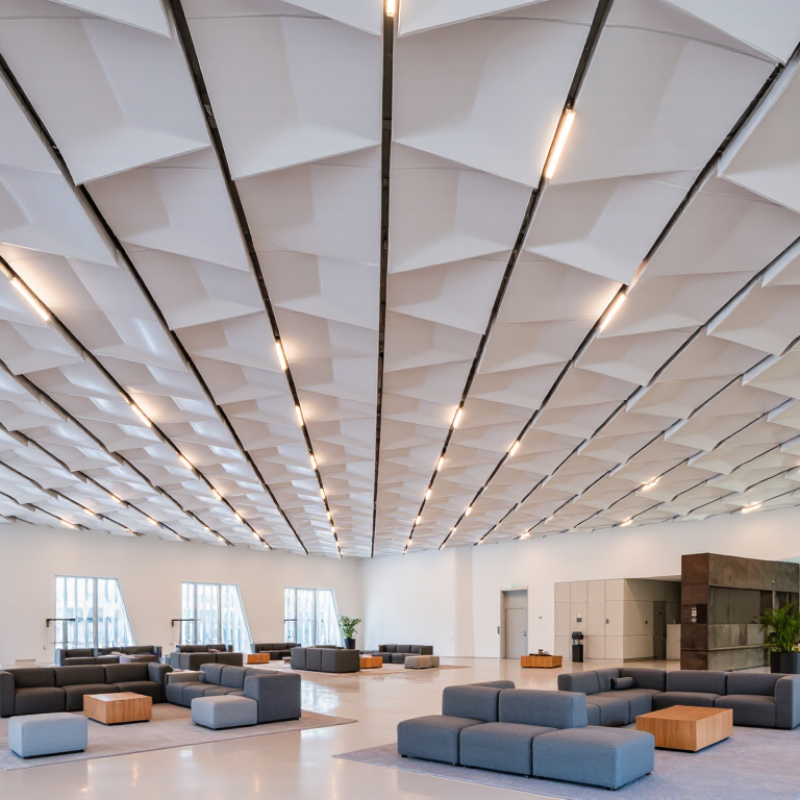
3D ceiling panels are shaped surfaces installed below a structural slab or roof deck. They may use mineral fiber, recycled polyester, wood-based composites, or lightweight gypsum. Their raised ribs and angled forms create depth, shadows, and controlled visual rhythm. More importantly, geometry can alter sound reflection. Some panels absorb sound through porous cores, while perforated faces let sound enter the material. Suspended air gaps can improve low-frequency performance.
Laboratory ratings matter.
ASTM C423 measures sound absorption, often expressed through the Noise Reduction Coefficient (NRC). However, a high NRC does not guarantee a quiet room. Real results depend on panel spacing, ceiling height, furniture, and background noise. That gap matters. The European Environment Agency reported that over 113 million Europeans experienced harmful long-term road traffic noise above 55 dB Lden. Interior acoustic control deserves practical attention, not decoration alone.
For modern interiors, designers can combine solid and absorptive modules around lighting, sprinklers, and ventilation. The ceiling then becomes a coordinated working surface. UNEP’s 2023 Global Status Report for Buildings and Construction states that buildings and construction produced about 37% of global energy-related emissions in 2022. Lightweight panels may reduce material demand, but this depends on transport, durability, and end-of-life recovery. I would request tested acoustic, fire, moisture, and emissions data before specifying any system. A beautiful ceiling can still perform poorly when installation details are ignored.
Key Design Features of 3D Ceiling Panels
Why Choose 3D Ceiling Panels for Modern Interiors?
Key Design Features of 3D Ceiling Panels
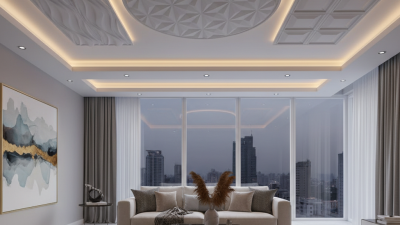
Three-dimensional ceiling panels add depth without consuming floor space. Their raised ridges, geometric grooves, and soft waves can guide the eye across a room. In practice, panel scale matters. Large patterns suit open lobbies, while smaller textures feel calmer in bedrooms or compact offices. I once saw a dramatic pattern overpower a narrow corridor. It looked impressive, but not comfortable.
Material performance deserves equal attention. Panels should be checked for fire behavior, moisture resistance, weight, and installation requirements. Acoustic versions can also reduce reflected sound when tested under ASTM C423 procedures. The 2023 Global Status Report for Buildings and Construction reported that buildings produce about 37% of global energy-related emissions. This makes lightweight, durable, and responsibly sourced ceiling materials increasingly relevant. Appearance alone is not enough.
Lighting reveals the panel structure. Narrow LED strips placed beside raised edges create controlled shadows, while broad downlights can flatten the design. Color also changes perception: pale surfaces enlarge a ceiling, but darker finishes create intimacy. Maintenance is often overlooked. Dust gathers inside deep grooves. Removable sections and washable finishes may be more practical. The U.S. Environmental Protection Agency notes that indoor pollutant levels can be two to five times higher than outdoors, so low-emitting materials and proper ventilation should be considered together. Some designs remain beautiful, but their cleaning demands need honest review.
How 3D Ceiling Panels Improve Modern Interior Spaces
In modern interiors, the ceiling can do more than hide wiring and fixtures. 3D ceiling panels add controlled depth, making a flat room feel designed rather than unfinished. Repeated ridges or geometric reliefs catch daylight differently throughout the day. This subtle movement can make a narrow lounge appear wider and give a dining area a stronger focal plane. In practice, the best effect comes from restraint. Too much pattern can make a room feel restless.
These panels can also improve spatial performance when selected carefully. Textured surfaces may soften visual glare from downlights, while compatible acoustic systems can reduce echoes in hard-surfaced rooms. They do not magically soundproof a space. Material density, panel spacing, insulation, and installation all matter. A reliable design review should check ceiling height, sprinkler access, ventilation, and cleaning needs. Moisture-prone rooms require products rated for those conditions, not merely attractive samples.
Installation quality is equally important. Joints should align, the supporting structure should be suitable, and lighting should be tested against the relief before final fixing. I have seen beautiful concepts weakened by harsh side lighting and careless seams. That is a fair warning. Visual impact depends on technical decisions. A balanced scheme may use panels on one zone, leaving other ceiling areas quiet. This approach often feels more comfortable over time.
Materials, Installation Methods, and Maintenance Requirements
Three-dimensional ceiling panels add depth without demanding structural changes. Their ribbed or geometric surfaces can soften echo and break up a flat, commercial-looking ceiling. The material choice matters more than the pattern. Mineral fiber offers useful acoustic control and fire-resistant performance. PVC is lightweight and tolerates humid rooms, but its appearance can feel less natural. Wood-based panels bring warmth, though they need stable indoor humidity. I have seen beautiful wood panels warp near poorly ventilated bathrooms.
Installation starts with an inspection of the ceiling. Check moisture, levelness, wiring, and load-bearing capacity before ordering panels. A lightweight system may use construction adhesive and concealed clips. Heavier panels often require a metal grid or mechanical fasteners. Adhesive alone is risky on dusty, uneven surfaces. Leave small expansion gaps around walls, especially with wood products. Measure twice.
Alignment deserves patience. A few millimeters of error can make repeating shapes look visibly crooked under ceiling lights. Installers should mark a centerline, dry-fit several panels, and keep access points available for electrical repairs. Cutting should use suitable blades and eye protection. Ventilation openings must remain unobstructed.
Maintenance is usually simple but not optional. Dust textured surfaces with a soft brush or low-suction vacuum every few weeks. Wipe washable panels with a damp cloth and mild detergent. Avoid abrasive cleaners, soaking, and excessive pressure. Inspect joints after seasonal humidity changes. Staining, sagging, or a musty smell suggests moisture behind the panels. That problem needs investigation, not cosmetic cleaning.
Factors to Consider When Choosing 3D Ceiling Panels
Why Choose 3D Ceiling Panels for Modern Interiors?
Choosing 3D ceiling panels requires more than matching a pattern to a room. Material safety should come first. The U.S. Environmental Protection Agency reports that indoor pollutant levels can be two to five times higher than outdoor levels. Therefore, select panels with verified low-VOC emissions and clear maintenance instructions. Check fire performance, moisture resistance, and installation requirements before approving samples. A beautiful panel becomes a poor choice when it traps dust or absorbs humidity.
Acoustic performance also matters. Ask for the Noise Reduction Coefficient, or NRC, rather than relying on appearance alone. The panel’s depth, backing, room volume, and furniture all influence results. The 2023 UNEP Global Status Report states that buildings produce about 37% of global energy-related and process-related emissions. Lightweight, durable panels may reduce replacement waste, but only when their service life is documented. Recycled content helps, although it does not automatically prove sustainability. I would not pretend that every textured surface improves comfort. Some designs look impressive in a showroom but feel visually crowded above a work desk.
Tips: Compare three samples under daylight and artificial light. Request VOC, fire, acoustic, and moisture test documents. Confirm access for repairs before installation. Leave space around sprinklers, lights, and ventilation grilles. A small pilot area is safer than a full-room commitment.