Top Benefits of Using Cladding PVC Sheets for Your Home and Business?
In the world of construction and design, the use of cladding PVC sheets has gained significant attention. These sheets serve as an excellent material for both homes and businesses. They offer a balance of durability and aesthetic appeal. According to industry expert Mark Elliott, “Cladding PVC sheets provide a versatile solution that enhances both functionality and style.”
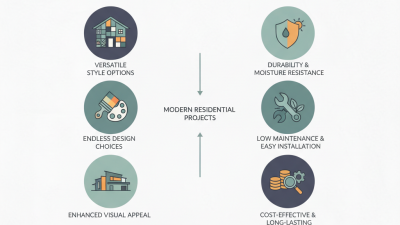
Cladding PVC sheets come with numerous advantages. For instance, they can withstand harsh weather conditions. This makes them ideal for various climates. The sheets are lightweight, facilitating easy installation. They also require minimal maintenance, reducing long-term costs. Yet, not everyone is aware of these benefits. Some may overlook the potential of cladding PVC sheets in sustainable design when considering their projects. It invites reflection on how materials impact structures.
Moreover, the cost-effectiveness of cladding PVC sheets is another compelling reason for their adoption. Homeowners and business operators can save on energy expenses. However, it’s crucial to choose high-quality products to reap these benefits effectively. Otherwise, the desired longevity may be compromised. Determining the right type and style requires thorough research and consideration.
Advantages of PVC Cladding in Enhancing Aesthetic Appeal of Buildings
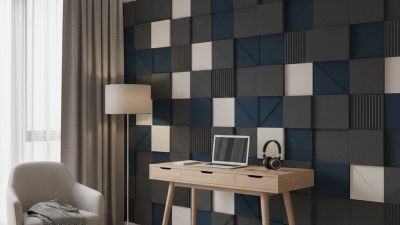
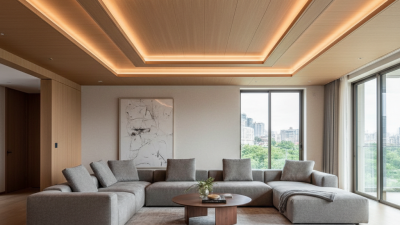
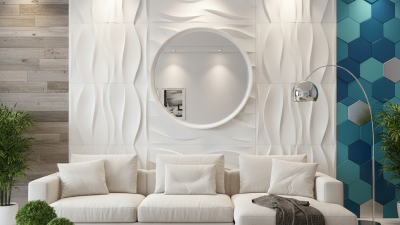
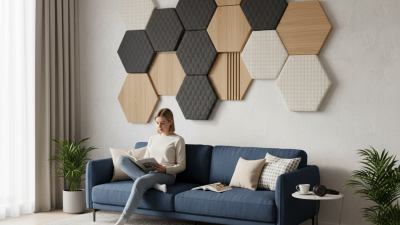
PVC cladding is gaining popularity for enhancing the aesthetic appeal of buildings. Its versatility allows for various designs and colors. Many homeowners and businesses appreciate the sleek, modern look that PVC sheets provide. They mimic the appearance of wood or stone, offering a stylish finish without the high maintenance. Imagine the transformation a bright white PVC facade can bring to your home or office.
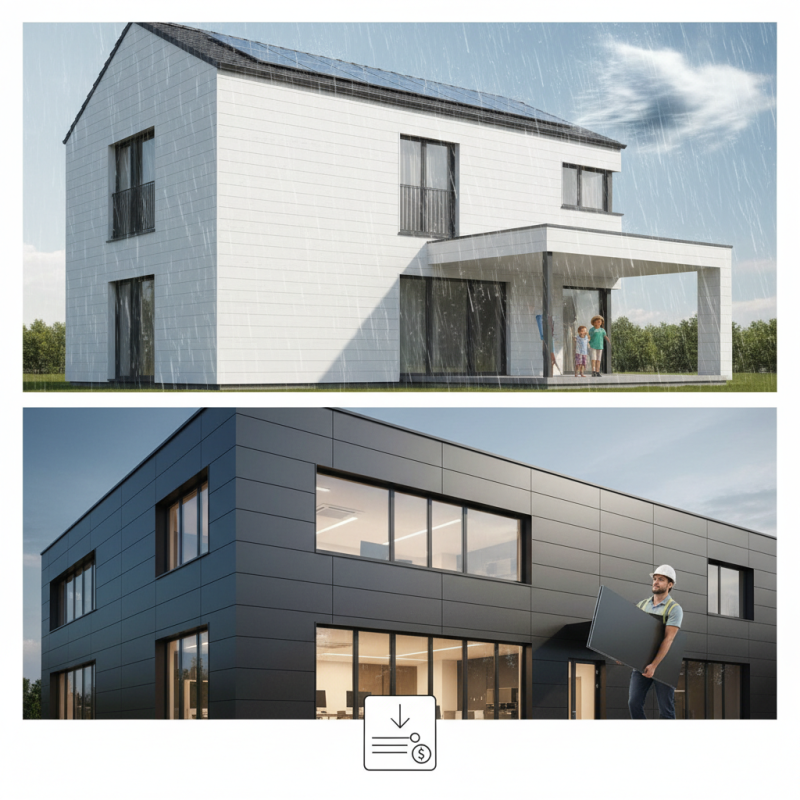
In terms of functionality, PVC cladding is durable and weather resistant. It stands up to harsh conditions without fading or peeling. This makes it a practical choice for both residential and commercial spaces. Moreover, it is easy to install, saving both time and effort during renovation projects. However, selection matters. Not all PVC sheets will have the same quality or finish. It’s essential to choose wisely.
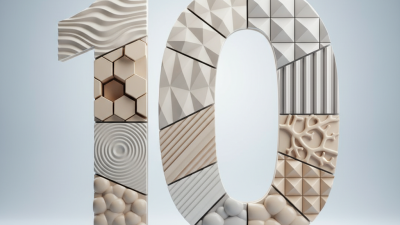
**Tips:** When selecting PVC cladding, consider the color that complements your space. Light colors often brighten smaller areas. Experiment with textures, too; embossed surfaces can create a more dynamic visual. Lastly, don’t overlook the importance of a proper installation to maximize aesthetics and durability.
Top Benefits of Using Cladding PVC Sheets for Your Home and Business
| Benefit |
Description |
Impact on Aesthetics |
| Durability |
PVC sheets are resistant to moisture, rot, and pests, leading to a longer lifespan. |
Maintains a clean and polished appearance over time, enhancing building aesthetics. |
| Low Maintenance |
Requires minimal upkeep unlike wood or other materials, saving time and money. |
Consistent look without frequent upkeep, ensuring lasting visual appeal. |
| Versatility |
Available in various colors, styles, and textures, allowing for creative design options. |
Enhances the overall design by integrating diverse patterns and colors. |
| Insulation Properties |
Provides thermal insulation, improving energy efficiency in buildings. |
Contributes to a comfortable environment, promoting an attractive living or working area. |
| Eco-Friendly Options |
Many PVC sheets are made from recyclable materials, reducing environmental impact. |
Supports sustainable design choices, appealing to eco-conscious consumers. |
Durability and Maintenance Benefits of PVC Cladding for Homeowners
PVC cladding has gained popularity for both homes and businesses. Its durability stands out, offering a long-lasting solution. Unlike wood or metal, PVC does not warp or rot, even in extreme weather. This makes it an excellent choice for places prone to moisture.
Maintenance is minimal with PVC cladding. A simple wash with soap and water keeps it looking fresh. Homeowners appreciate that there’s no need for regular painting or sealing. This not only saves time but also reduces long-term costs.
Tip: For best results, clean the cladding twice a year to avoid build-up of dirt.
Another aspect to consider is the color retention. PVC cladding resists fading from sun exposure. The vibrant colors maintain their appearance over time. However, some users report that lighter colors can show dirt more easily.
Tip: Choose darker colors if you live in a dusty area to minimize visible dirt. Always weigh the pros and cons based on your specific environment. Proper installation is essential for maximizing performance and aesthetics.
Cost-Effectiveness of PVC Cladding Compared to Traditional Materials
When it comes to choosing materials for cladding, many homeowners and business owners seek cost-effective solutions. PVC cladding emerges as an attractive option. It's lower in price compared to traditional materials like wood or brick. This aspect makes it appealing for both new constructions and renovations. The initial investment in PVC cladding can save you money over time, especially in maintenance costs.
One reason for this cost-effectiveness lies in its durability. PVC sheets are less likely to warp, rot, or shrink. This means fewer repairs and replacements are needed. For instance, wooden cladding may require regular painting or sealing, driving up costs. In contrast, PVC can maintain its appearance and functionality for years with minimal effort. However, it's worth considering that while PVC is durable, it might not have the same aesthetic appeal as natural materials.
Another point to reflect on is environmental impact. PVC cladding is often made with recycled materials, which is a small win for sustainability. However, manufacturing and disposal processes of PVC still raise questions. It’s essential to balance cost-effectiveness with ecological responsibility. In conclusion, PVC cladding is a practical choice. Yet, one must weigh the benefits against potential downsides before making a decision.
Cost-Effectiveness of PVC Cladding Compared to Traditional Materials
Eco-Friendly Aspects: Sustainability of PVC Cladding in Construction
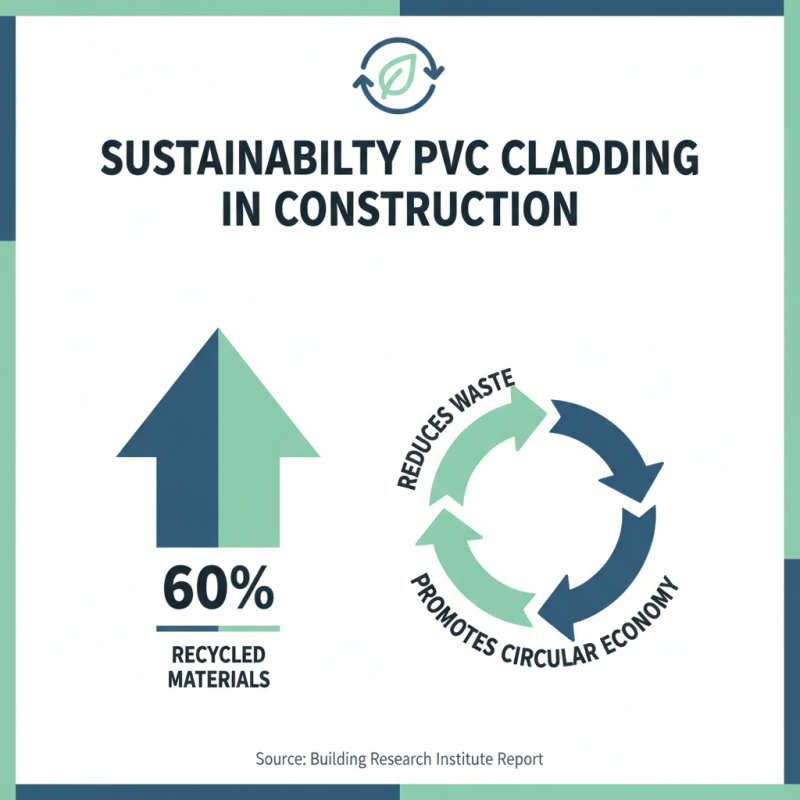
PVC cladding has gained attention for its eco-friendly attributes. One important factor is its renewable content. According to a recent report by the Building Research Institute, the production of PVC cladding can incorporate up to 60% recycled materials. This statistic highlights how PVC can reduce waste and promote sustainability in construction.
Moreover, PVC sheets are noted for their durability and low maintenance. Research indicates that buildings using PVC cladding require less frequent replacement, resulting in decreased material waste over time. The Environmental Protection Agency emphasizes this longevity as a key component of sustainable building practices. However, it's essential to recognize that improper disposal can lead to environmental concerns when products reach their end of life.
While PVC notably lowers energy consumption during its production phase, questions remain about its lifecycle management. There's ongoing debate over recyclability once cladding is removed. Some manufacturers are exploring innovative recycling programs, but the infrastructure is currently limited. As more stakeholders amplify their voices for sustainable practices, addressing these shortcomings will be critical for the future impact of PVC cladding on our environment.
Insulation Properties of PVC Cladding: Energy Efficiency in Homes and Businesses
PVC cladding is gaining attention due to its insulation properties. This feature significantly enhances energy efficiency in homes and businesses. Insulation is vital for maintaining a comfortable environment. Proper insulation reduces the need for heating and cooling, leading to lower energy bills.
When you opt for PVC cladding, it traps heat in the winter and keeps your space cool during the summer. This dual capability helps create a balanced indoor climate. A well-insulated space minimizes energy waste. This not only cuts costs but also benefits the environment by reducing carbon footprints.
Here are some tips: Choose thicker PVC sheets for improved insulation. Ensure proper installation to avoid gaps that could diminish efficiency. Regularly inspect the cladding for wear and tear. Addressing issues early can maintain energy efficiency for years. In conclusion, while PVC cladding offers many advantages, installation and maintenance are key. Evaluating choices ensures the best outcome for your home or business.