China Best 3D Decorative Wall Panels for Stunning Interior Design Ideas?
In the realm of interior design, 3D decorative wall panels are gaining significant traction. According to recent market research, the global 3D wall panel industry is projected to reach $7.6 billion by 2027, reflecting a growing trend towards unique spatial aesthetics. Designers and homeowners increasingly seek innovative solutions that combine functionality with visual appeal.
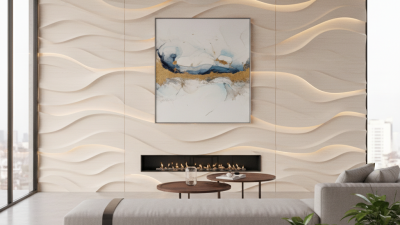
3D decorative wall panels offer myriad styles and textures, transforming ordinary spaces into stunning showcases. These panels are not just visually striking; they also improve acoustics and insulation. The versatility of materials, such as PVC, wood, and gypsum, allows for endless design possibilities. This adaptability is crucial in catering to diverse tastes and architectural styles.
However, the installation of 3D decorative wall panels may present challenges. Proper alignment and adhesive selection are vital for achieving the desired look. Homeowners must weigh aesthetic desires against potential installation difficulties. While these panels can elevate any environment, awareness of practical limitations is essential for optimal results. As the market evolves, balancing beauty with practicality becomes increasingly important in design decisions.
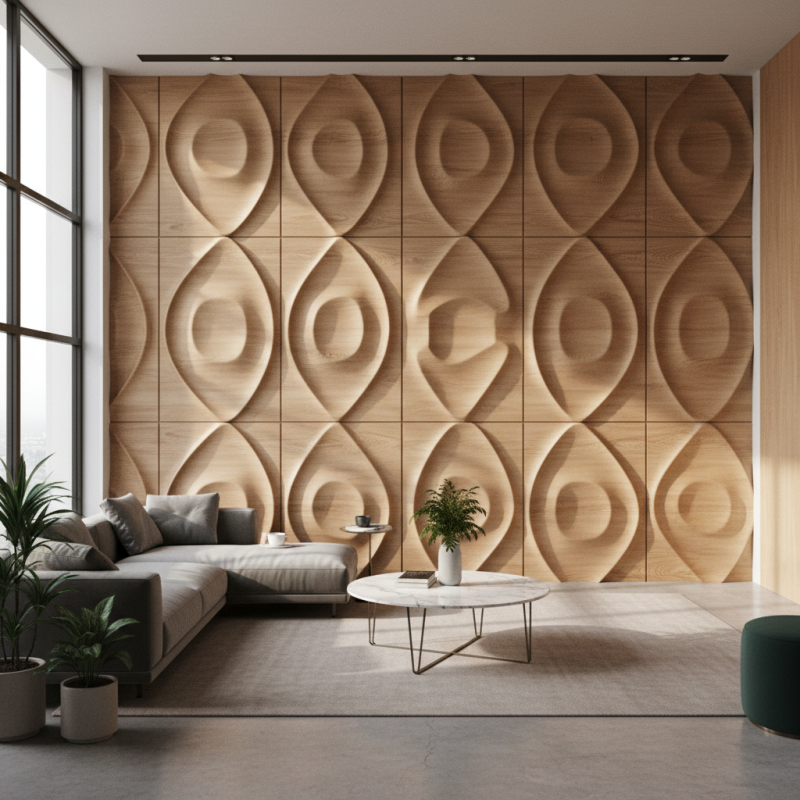
China’s Top 3D Decorative Wall Panels: A Comprehensive Overview
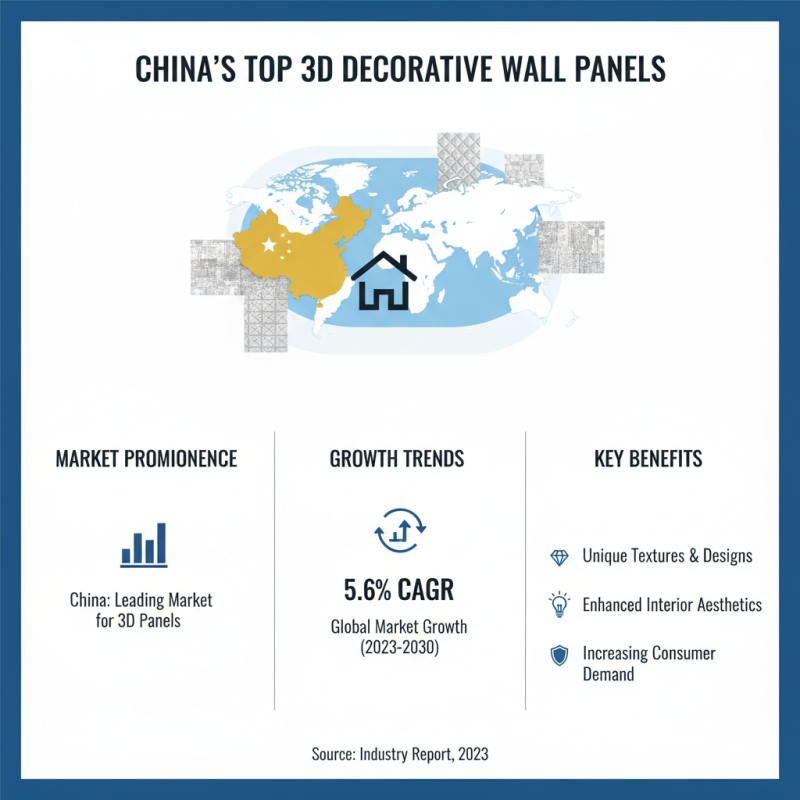
China has become a prominent market for 3D decorative wall panels. These panels offer unique textures and designs, enhancing any interior space. A recent industry report estimated that the global market for decorative wall panels is expected to grow at a CAGR of 5.6% from 2023 to 2030. This trend reflects increasing consumer demand for aesthetically pleasing environments.
When selecting 3D wall panels, consider the material. Options range from PVC to natural wood. Each material has its pros and cons. PVC is lightweight and easy to install, while wood brings warmth but requires maintenance. Aesthetic appeal should also align with your overall design scheme. For instance, a modern space may benefit from sleek geometric designs.
Tip: Always order samples before making a bulk purchase. This allows you to assess quality and fit for your space. Additionally, factor in installation complexity when choosing your panels. Although beautiful, some panels may require professional installation. Reflect on your choices and understand how they influence the overall space. Think about long-term durability versus immediate style. Balancing these aspects is crucial for achieving a harmonious design.
The Material Choices for 3D Wall Panels: Benefits and Drawbacks
When choosing 3D decorative wall panels, material selection is crucial. Common options include wood, gypsum, and plastic. Wood panels offer warmth and natural beauty. However, they may warp or require maintenance over time. Gypsum panels, on the other hand, provide an appealing, durable finish. They are moisture-resistant but can be prone to chipping.
Plastic panels are lightweight and often more affordable. They come in various designs but may lack the authentic texture found in wood or gypsum. It's essential to consider the room's environment. High humidity areas may not suit all materials. Each option has unique strengths and weaknesses. They contribute to a stunning design but require thoughtful consideration. The right choice can enhance your space significantly, reflecting your style and practicality.
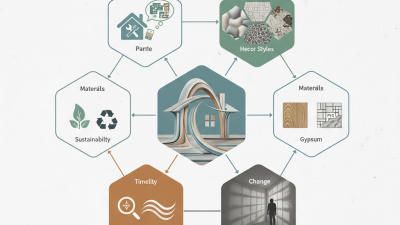
China Best 3D Decorative Wall Panels Materials Comparison
Popular Design Styles Incorporating 3D Wall Panels in Interiors
3D wall panels are becoming a popular choice for interior design. They add depth and texture to spaces, enhancing overall aesthetics. Various design styles effectively incorporate these panels, creating unique atmospheres. Reports suggest that the global market for 3D decorative wall panels is expected to grow significantly, providing exciting opportunities for homeowners and designers alike.
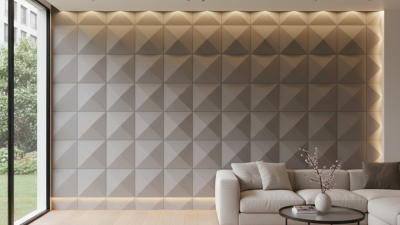
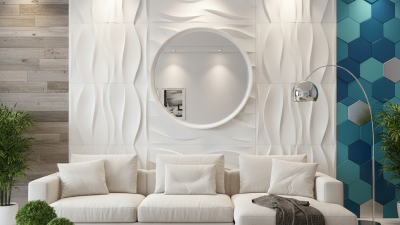
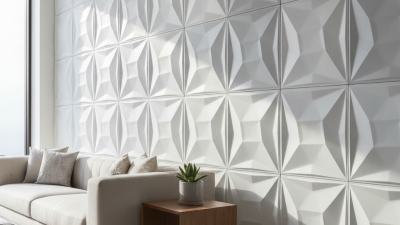
Modern minimalist spaces benefit greatly from 3D panels. Their clean lines complement the simplicity of minimalist design. In contrast, rustic themes leverage the organic textures of wood-like panels. These panels can evoke warmth and coziness, making rooms feel inviting. Reports indicate that more homeowners are opting for such distinctive materials to personalize their interiors.
Tips: Consider experimenting with colors and textures. Mixing different styles within the same room can create intriguing contrasts. Always ensure materials used are appropriate for the room’s usage, especially in areas prone to moisture. Reflect on the environment each panel creates. Is it cohesive with your vision? Balancing aesthetics with functionality can be challenging, but it’s worth the effort to achieve a stunning outcome.
Installation Techniques for Achieving Stunning Wall Features
Creating stunning interior designs with 3D decorative wall panels requires skillful installation techniques. Proper preparation is essential. The wall surface must be clean and dry. For optimal adhesion, some experts recommend using a primer. This step can significantly enhance the longevity of the panels. A report from the Construction Industry Institute (CII) indicates that correct surface preparation can improve installation efficiency by up to 30%.
Another crucial technique involves careful measurement and cutting. Accurate measurements can prevent costly mistakes. Aim for precision; even small errors can cause misalignment. Industry standards suggest that using a laser level can help achieve a professional look. This tool ensures that each panel aligns perfectly, creating a seamless appearance. According to the National Association of Home Builders (NAHB), precision in installation can reduce the chance of panel damage during the process.
Always consider the room’s lighting and décor when planning installation. Different finishes reflect light differently, affecting the overall aesthetic. Some panels may look stunning in bright spaces but appear dull in darker settings. A recent survey by the American Institute of Interior Designers (AID) highlighted that 47% of respondents feel lighting significantly impacts wall design. So, reflect on how your choices will interact with the environment for optimal results.
Maintaining and Cleaning 3D Decorative Wall Panels for Longevity
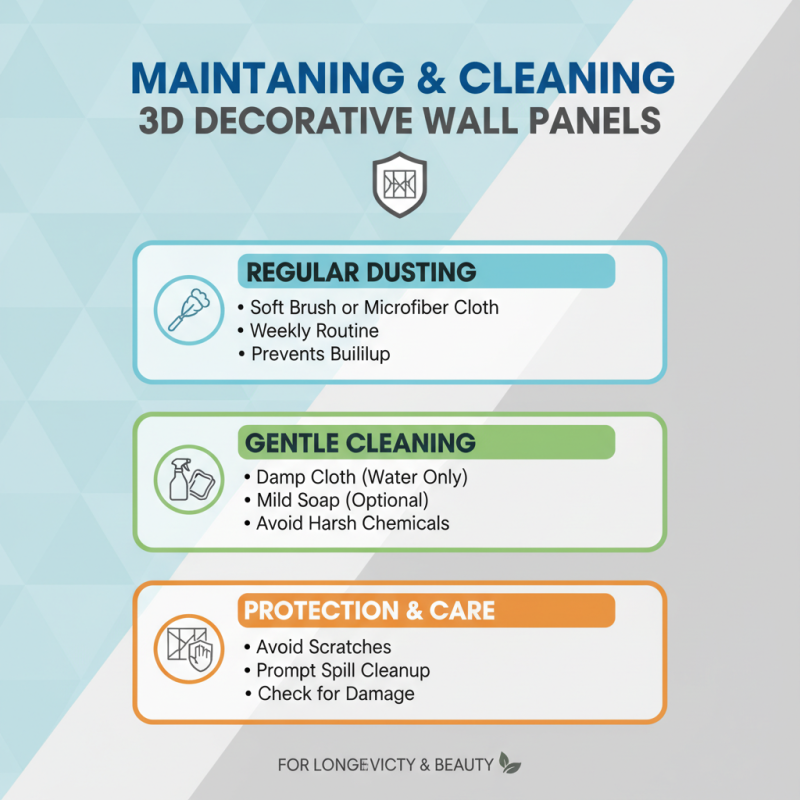
When it comes to enhancing your interior space, 3D decorative wall panels are a popular choice. However, maintaining their pristine appearance requires regular care. Dust and grime can accumulate quickly, making timely cleaning essential for longevity.
Use a soft, dry cloth to wipe down the panels regularly. For more stubborn stains, a damp cloth with mild soap can work wonders. Avoid harsh chemicals that may damage the texture. Remember to check for any minor damage after cleaning; fixing these issues early can prevent larger problems later on.
Here are some tips for maintaining your 3D wall panels:
- Use coasters or mats under furniture to prevent scratches.
- Avoid placing heavy items against the panels.
- Keep humidity levels stable to prevent warping.
Keeping an eye on these details not only preserves their beauty but also ensures they continue to enhance your space over time. Regular upkeep may require effort, but the stunning results are worth it. A little attention now can lead to lasting satisfaction.