
Leave Your Message
Choosing Cladding Pvc Sheets requires more than comparing surface colour and purchase price. The material must suit the building’s moisture, impact, hygiene, and temperature conditions. A busy warehouse needs different performance from a clean, low-traffic interior wall. Small details matter.
VinylPlus’s 2024 Progress Report recorded 810,775 tonnes of PVC recycled in Europe during 2023. This figure shows the industry’s growing focus on circular material use. Grand View Research’s 2024 PVC market analysis also identifies construction as a major demand sector. However, market growth does not guarantee product suitability. Each sheet still needs technical verification.
Check thickness, density, surface finish, fire classification, and documented installation limits. For European projects, EN 13501-1 may help assess reaction-to-fire performance. In other regions, ASTM E84 can support flame-spread and smoke-development comparisons. These tests are not interchangeable. Ask suppliers for current declarations, test reports, and batch information.
Think about the wall behind the sheet. Uneven masonry may require stronger framing or additional preparation. High humidity can expose weak joints, poor adhesives, and unsealed edges. Sunlight can also change colour and encourage thermal movement. Leave appropriate expansion space, especially across long panels.
A practical sample is valuable. Wipe it, tap it, bend a small offcut, and inspect the joint detail. These simple checks reveal limitations that brochures often hide. I have found that the cheapest option can become expensive after trimming, repairs, and replacement. Still, no selection guide can predict every site condition. Final decisions should combine supplier evidence, qualified installer experience, and the project’s actual risk profile.
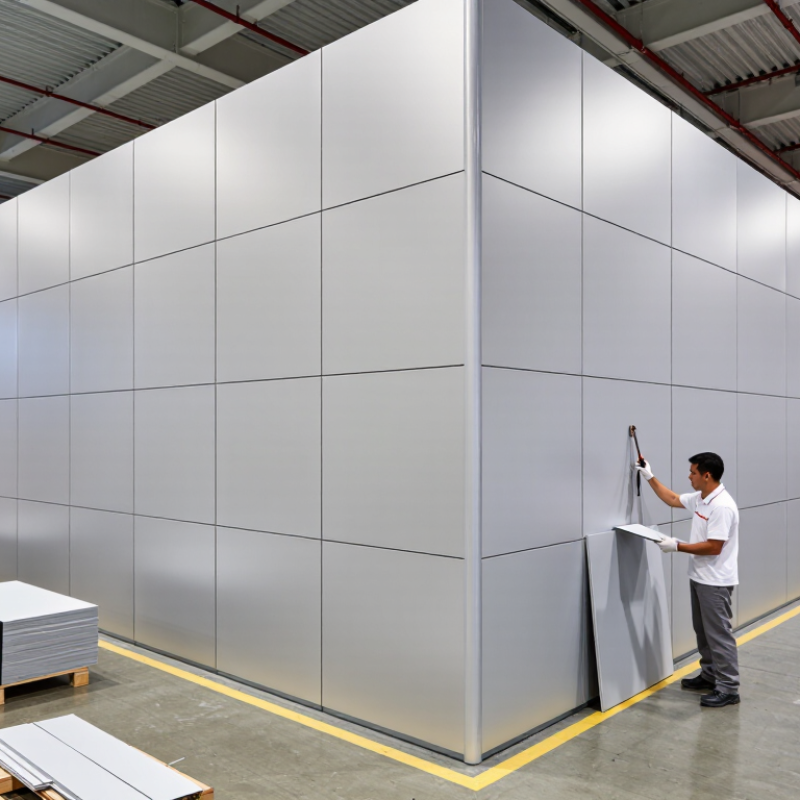
Choosing PVC cladding sheets starts with the room, not the color. I assess moisture first. Bathrooms, washdown areas, and food rooms need closed, water-resistant surfaces. Look for sealed joints, low-absorption cores, and compatible trims. A sheet can resist splashes yet fail when water enters an unsealed edge. That detail is often missed. Measure cleaning routines too. Frequent hot-water washing may expose weak adhesives or poorly bonded layers. Ask for test data, installation guidance, and maintenance limits from the supplier. Do not rely on appearance alone.
Impact risk changes thickness, backing, and fixing method. A busy corridor needs more than a thin decorative panel. Trolleys, tools, and wheeled bins create sharp, repeated impacts. For those areas, compare impact-test results and inspect sample edges. I prefer a rigid sheet with secure mechanical support where abuse is likely. Still, no panel is indestructible. I once underestimated door-handle strikes during a refurbishment. The surface looked strong, but the substrate needed reinforcement. That mistake changed the specification.
Hygiene requirements include cleanability, joint design, and resistance to staining. Smooth surfaces help, but inaccessible seams remain a problem. In healthcare or food-processing spaces, confirm cleaning compatibility and documented hygienic performance. Fire risk requires careful review. Check classification, smoke behavior, and system-level test evidence, including adhesive and substrate. A sheet’s rating may not represent the complete wall assembly. Consult local building requirements and a qualified installer. I sometimes leave too little time for this review. That is a planning weakness, not a product feature. Select the sheet only after each zone’s risks are recorded.
| Project Requirement | Risk Level | Typical Project Conditions | PVC Cladding Selection Criteria | Important Performance Checks | Recommended Installation Considerations |
|---|---|---|---|---|---|
| Moisture Exposure | Low | Dry interior rooms, offices, retail areas, corridors, and spaces with occasional cleaning. | Use a smooth, non-porous PVC sheet suitable for interior wall protection. Standard sealed joints may be adequate where water exposure is limited. | Confirm the product is intended for interior use and can tolerate the planned cleaning routine. Check joint and edge-sealing requirements. | Install over a dry, stable substrate. Keep cut edges protected and seal penetrations around pipes, fixtures, and electrical points. |
| Moisture Exposure | Medium | Washrooms, utility rooms, commercial kitchens, laundry areas, and walls exposed to frequent splash or damp cleaning. | Choose closed-cell, water-resistant PVC sheets with low water absorption and a surface that supports sealed, hygienic joints. | Review water-resistance information, joint details, adhesive compatibility, and resistance to the cleaning chemicals used on site. | Use continuous bonding where specified, sealed corners, hygienic trims, and carefully sealed joints to prevent water ingress behind the sheet. |
| Moisture Exposure | High | Wet rooms, food-processing washdown zones, shower areas, chilled environments, or locations subject to regular hose cleaning. | Select a system specifically rated for high-moisture or washdown service, with durable surfaces and compatible waterproof joint treatments. | Verify resistance to continuous or repeated wetting, temperature variation, cleaning agents, and any required water-pressure cleaning method. | Use a properly prepared substrate, sealed perimeter details, coved or hygienic junctions where required, and drainage-friendly detailing. |
| Impact Exposure | Low | Lightly used offices, meeting rooms, and areas with little contact from carts, equipment, or materials. | A standard interior-grade sheet may be suitable if the substrate is sound and the wall is not expected to receive repeated impact. | Check sheet thickness, rigidity, surface hardness, and the manufacturer’s impact-test information where available. | Ensure full and even support behind the sheet. Protect exposed corners with suitable trims if occasional contact is possible. |
| Impact Exposure | Medium | Schools, hospitals, corridors, service areas, workshops, and spaces where carts or furniture may contact walls. | Use a thicker or impact-modified PVC sheet with a durable finish and robust corner and edge protection. | Review impact-resistance test results, puncture resistance, fastener or adhesive performance, and repairability. | Provide secure fixing, well-supported joints, reinforced corners, and protective trims at trolley height or other contact zones. |
| Impact Exposure | High | Loading areas, industrial workshops, sports facilities, transport zones, and locations with frequent heavy equipment movement. | Select a heavy-duty PVC wall protection system designed for repeated impact rather than relying on sheet thickness alone. | Confirm documented impact performance, resistance to cracking or delamination, corner protection, and availability of replacement sections. | Use mechanical reinforcement or a suitable backing system where required. Detail transitions and corners to reduce impact concentration. |
| Hygiene Requirement | Basic | General commercial or residential areas requiring routine dust removal and ordinary detergent cleaning. | Choose a smooth, non-absorbent surface with minimal texture and no unnecessary ledges or open joints. | Check cleanability, surface staining resistance, and compatibility with the planned detergent. | Minimize exposed fixings and seal gaps that could collect dust or moisture. Follow the specified cleaning instructions. |
| Hygiene Requirement | Controlled | Healthcare support areas, commercial kitchens, food storage rooms, laboratories, and high-frequency cleaning zones. | Use a smooth, non-porous, easy-clean sheet with sealed joints and a surface resistant to common detergents and disinfectants. | Verify chemical resistance, stain resistance, cleanability, joint hygiene, and suitability for the required sanitation procedure. | Use hygienic trims, sealed internal and external corners, coved details where appropriate, and avoid open screw holes. |
| Hygiene Requirement | Critical | High-care food production, clinical environments, pharmaceutical support areas, and spaces with strict contamination control. | Select a documented hygienic wall system with highly cleanable surfaces, sealed interfaces, low dirt retention, and compatible joint materials. | Review independent cleanability or hygiene evidence, disinfectant compatibility, microbial-control claims, and complete system details. | Coordinate wall sheets with floors, ceilings, doors, penetrations, drainage, and equipment bases to eliminate difficult-to-clean gaps. |
| Fire Risk | Low | Small, low-occupancy areas where local building regulations permit the proposed interior wall finish. | Use a PVC sheet with a documented reaction-to-fire classification appropriate for the specific wall assembly and location. | Confirm classification for the complete installed system, including substrate, adhesive, joints, trims, and any air gaps. | Check local code requirements before installation. Do not assume that a fire rating for one assembly applies to another. |
| Fire Risk | Controlled | Public buildings, multi-room commercial facilities, escape routes, schools, and areas with moderate occupant loads. | Choose a product and installation assembly with suitable reaction-to-fire documentation and low flame-spread performance where required. | Review the applicable national or regional fire classification, smoke production limits, and evidence for the intended installation method. | Coordinate with the fire strategy and building-control requirements. Maintain required fire-stopping at penetrations and junctions. |
| Fire Risk | High | High-rise buildings, protected escape routes, transport hubs, crowded public spaces, and areas with stringent fire-safety controls. | Use only a PVC cladding system that has been specifically tested and accepted for the required fire performance and building application. | Obtain current fire-test or classification documents for the complete system. Check smoke, flame spread, and contribution-to-fire requirements. | Obtain approval from the responsible fire consultant or authority. Avoid untested substitutions of sheet, adhesive, backing, or trim components. |
| Combined Requirements | Multiple Risks | Facilities requiring simultaneous washdown resistance, impact protection, strict hygiene, and controlled fire performance. | Specify the complete wall-cladding system rather than selecting sheets by appearance or thickness alone. | Evaluate moisture, impact, chemical resistance, hygiene, fire classification, substrate compatibility, and expected service life together. | Request coordinated drawings and installation details. Confirm that every component is compatible and that field modifications will not invalidate testing. |